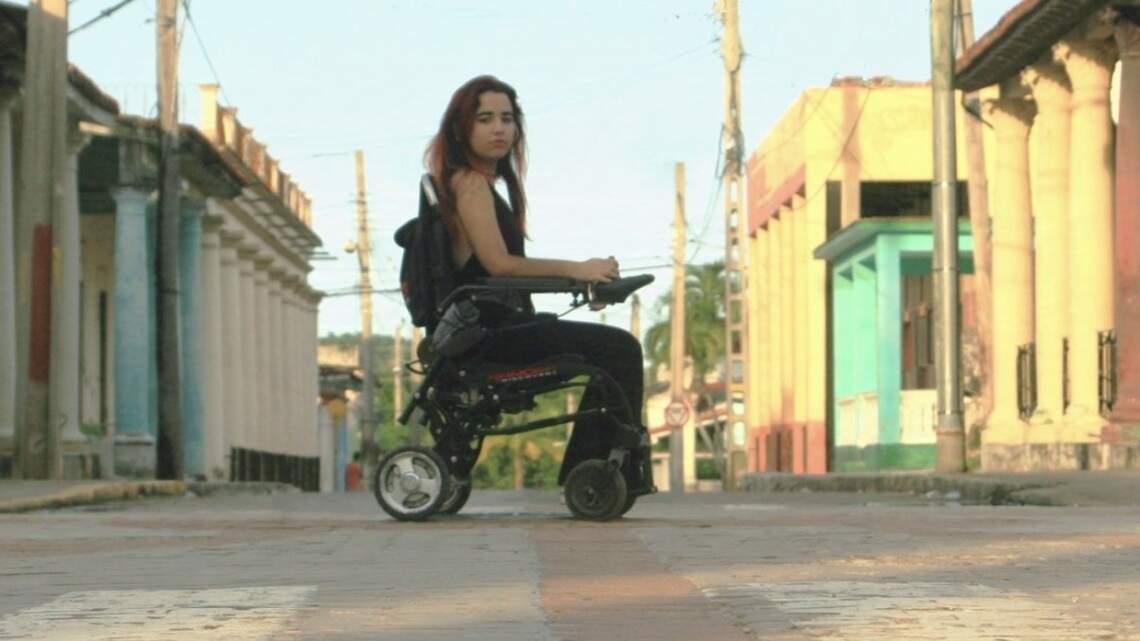
Havana's street children shift neighborhoods as Cuba's crisis deepens
Havana’s street kids are no longer concentrated on Prado. As tourists thin out, they’ve shifted into Vedado and Miramar, where crisis, mobility and petty hustles now shape survival.
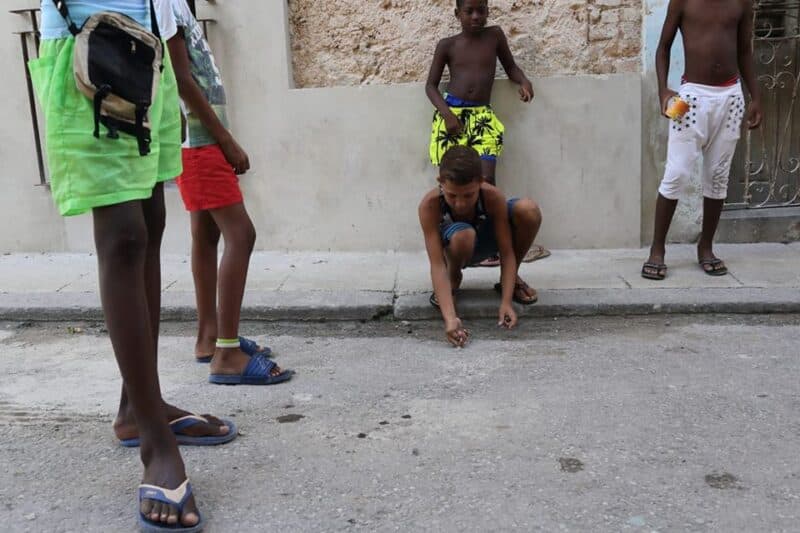
Prado no longer looks like it did when clusters of children and teenagers pressed close to visitors for money, pushing the line from begging into harassment and petty theft. The children have not vanished; they have moved, with Vedado and Miramar taking on more of the street pressure as foreign visitors thin out and police attention tightens. What changed is the geography of survival, not the crisis underneath it.
From Prado to the neighborhoods with more money
The old tourist corridor was once the most visible stage for this kind of street behavior. Minors would gather around the Prado area, approaching foreigners for cash and, at times, escalating into theft or intimidation. Now that scene is less common there, but that does not mean the problem has been solved.
Instead, the pressure has shifted. In Vedado and Miramar, where wealthier residents and the occasional passerby are more likely to be carrying money or goods worth taking, children and teenagers have found new territory. The shift tells you a lot about Havana’s street economy: when one route closes, another opens, and young people learn quickly where survival still pays.
What the crisis looks like from a child’s point of view
This is not just a story about delinquency. It is a story about how Cuba’s deepening economic breakdown is shaping play, language and street behavior among children who are growing up inside scarcity. The devaluation of the Cuban peso has cut into family finances, while the shrinking value of a tourist dollar has made the old informal exchanges around the city less reliable and less rewarding.
That matters because the crisis is not abstract in Havana. It shows up in the way children move through public space, the way they gauge risk, and the way they improvise around it. In a city where basic household budgets have been hollowed out, opportunism becomes part of daily logic, and mobility becomes part of the skill set.

Why the streets have changed, but the need has not
The disappearance of children from Prado has been treated by officials as evidence that prevention is working. The mayor of Old Havana has framed it that way, but the street-level reality points elsewhere: fewer tourists, stronger policing, and a corridor that no longer offers the same opportunities.
That distinction matters. If the visible crowd has gone, the conditions that produced it remain intact, including the collapse of family finances and the lack of serious public solutions. Removing children from one block does not rebuild the household economy that pushed them there in the first place.
The result is a more dispersed problem, harder to see and harder to confront honestly. Children are not necessarily safer because they are less visible in one neighborhood. They are simply adjusting to where they can still find a mark, a shortcut, or a way to get by.
How authorities are responding
Officials have tended to describe the issue as a security problem, and that framing has shaped the response. Police sweeps and juvenile detention are the tools that appear again and again, while the social conditions behind the behavior receive far less attention. The pattern is familiar: manage the surface, leave the cause untouched.
That approach may move children out of a particular tourist zone, but it does little to interrupt the logic driving them there. When the crisis is treated primarily as disorder, the state reacts to visibility rather than vulnerability. The result is a cycle in which young people are displaced rather than supported, and the street economy keeps adapting.
What residents are doing on their own
In the absence of broad solutions, some residents are organizing locally to protect themselves. That kind of self-defense reflects both exhaustion and practicality. When the city’s official answer is limited to policing, neighbors often end up filling the gap with informal arrangements meant to keep their blocks, entrances and storefronts safer.
This local response also shows how normalized the situation has become. People are not only worried about adult crime or institutional failure. They are adjusting to the presence of children in public spaces as part of the city’s new street reality, especially in districts where money still moves and people still pass through with something worth taking.
A more fragile Havana is growing up in public
The wider implication is stark. Cuba’s crisis is not only impoverishing adults; it is teaching children how to live inside shortage. In Havana, that means learning where tourists used to gather, where wealthier neighborhoods still offer opportunity, and how to shift quickly when a block stops paying. It means survival strategies built around theft, movement and opportunism.
That is why the quieter Prado scene should not be mistaken for relief. The children who once crowded that corridor have simply moved on to other streets, and the city’s crisis has moved with them. In Havana, the absence on one avenue is often just the shadow of hardship showing up somewhere else.
This article was produced by Prism’s automated news system from verified source data, official records, and press releases, then run through automated quality and moderation checks before publishing. The system is built and supervised by the people who set the standards it runs under. Read our full AI policy.
Did this article answer your question?