Hegseth visit to Guantanamo signals tougher U.S. pressure on Cuba
Hegseth’s June 10 stop at Guantanamo underscored a wider squeeze on Havana, pairing sanctions with military signaling at Cuba’s most sensitive U.S. base.
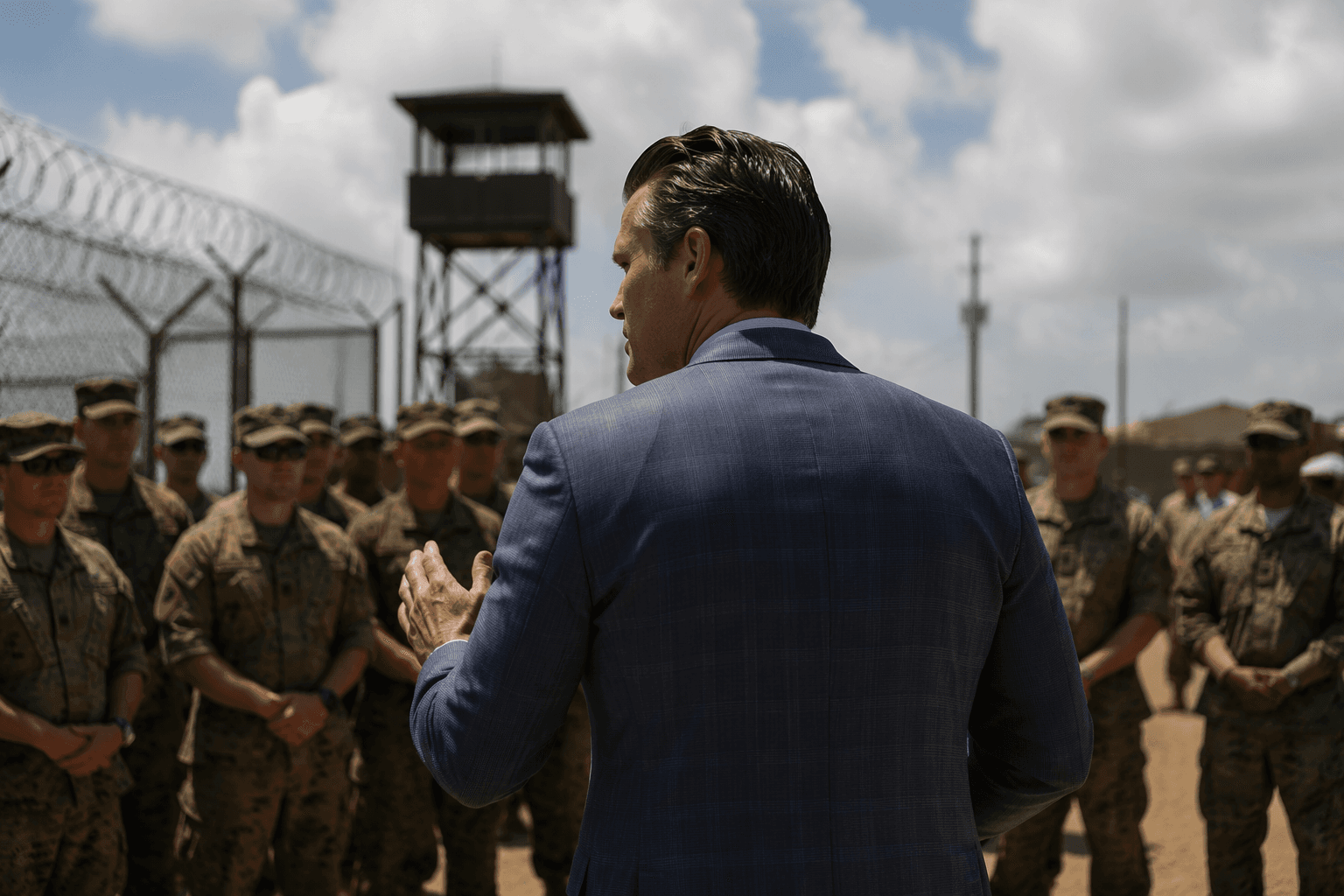
Pete Hegseth’s June 10 visit to the U.S. naval base at Guantanamo Bay landed as a blunt signal, not a routine troop stop. With sanctions still tightening and Washington keeping economic pressure on Havana, the trip added military weight to a campaign Cuba has been reading as increasingly coordinated.
The base matters because it is more than a remote outpost. Sitting about 700 kilometers southeast of Miami, Guantanamo is both a symbol and a pressure point, the place where detainees from the September 11 attacks are still held and a site that carries far more political charge than its size suggests. Sending the Pentagon chief there, the report said, sharpened the message that the administration is not treating Cuba only as a sanctions problem but as a strategic target.
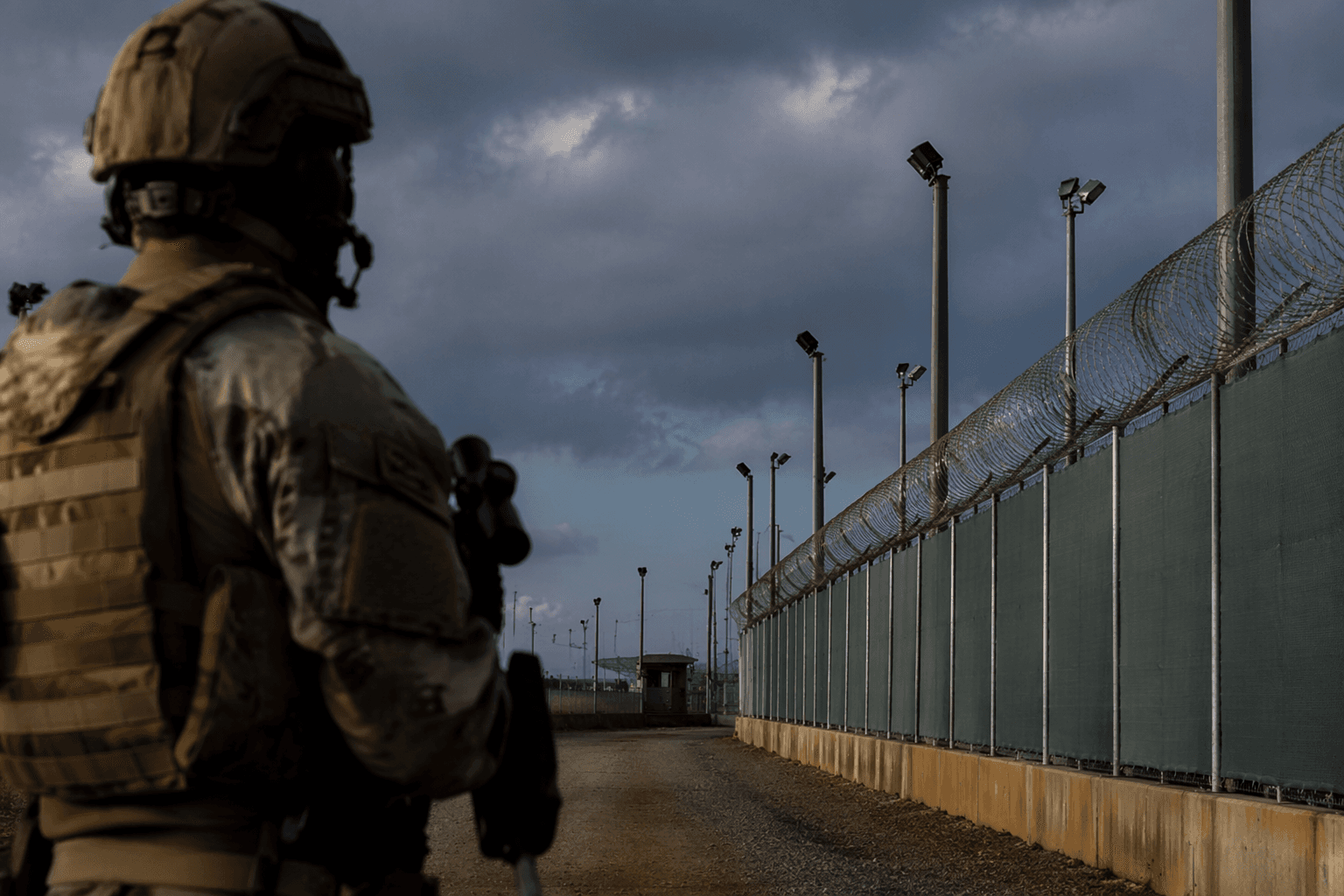
Hegseth’s trip also followed a string of moves that made the timing look deliberate. Late the previous month, a top U.S. general overseeing Latin American operations visited Guantanamo and met Cuban military leaders. Two weeks before that, CIA Director John Ratcliffe had visited Havana and met with Cuban officials. The military described the general’s earlier encounter as a brief exchange on operational security, including perimeter security, force protection and operational readiness. Taken together, the visits suggest Washington is layering intelligence, military and political channels into a single pressure campaign.
That pressure is being applied while President Donald Trump continues to signal that he wants to topple Cuba’s communist government, a posture the report linked to the backing he receives from Cuban-Americans. The same article also tied the Guantanamo visit to Trump’s broader use of the base, including his effort to turn it into a holding center for migrant deportations, bringing a domestic immigration dimension into the Cuba confrontation.
The legal front is moving too. The report said former Cuban president Raúl Castro had recently been charged in the United States, reinforcing the sense in Havana that Washington is pressing on multiple fronts at once: sanctions, law, military posture and the politics of exile influence. For Cuban officials, that combination is harder to dismiss than any single gesture.
What makes Hegseth’s Guantanamo stop stand out is not just the visit itself, but the setting. At the island’s most sensitive U.S. base, Washington was not merely keeping watch. It was showing Cuba and the region that the squeeze is still on, and that the next phase may be defined as much by symbolism and deterrence as by policy itself.
This article was produced by Prism’s automated news system from verified source data, official records, and press releases, then run through automated quality and moderation checks before publishing. The system is built and supervised by the people who set the standards it runs under. Read our full AI policy.
Did this article answer your question?