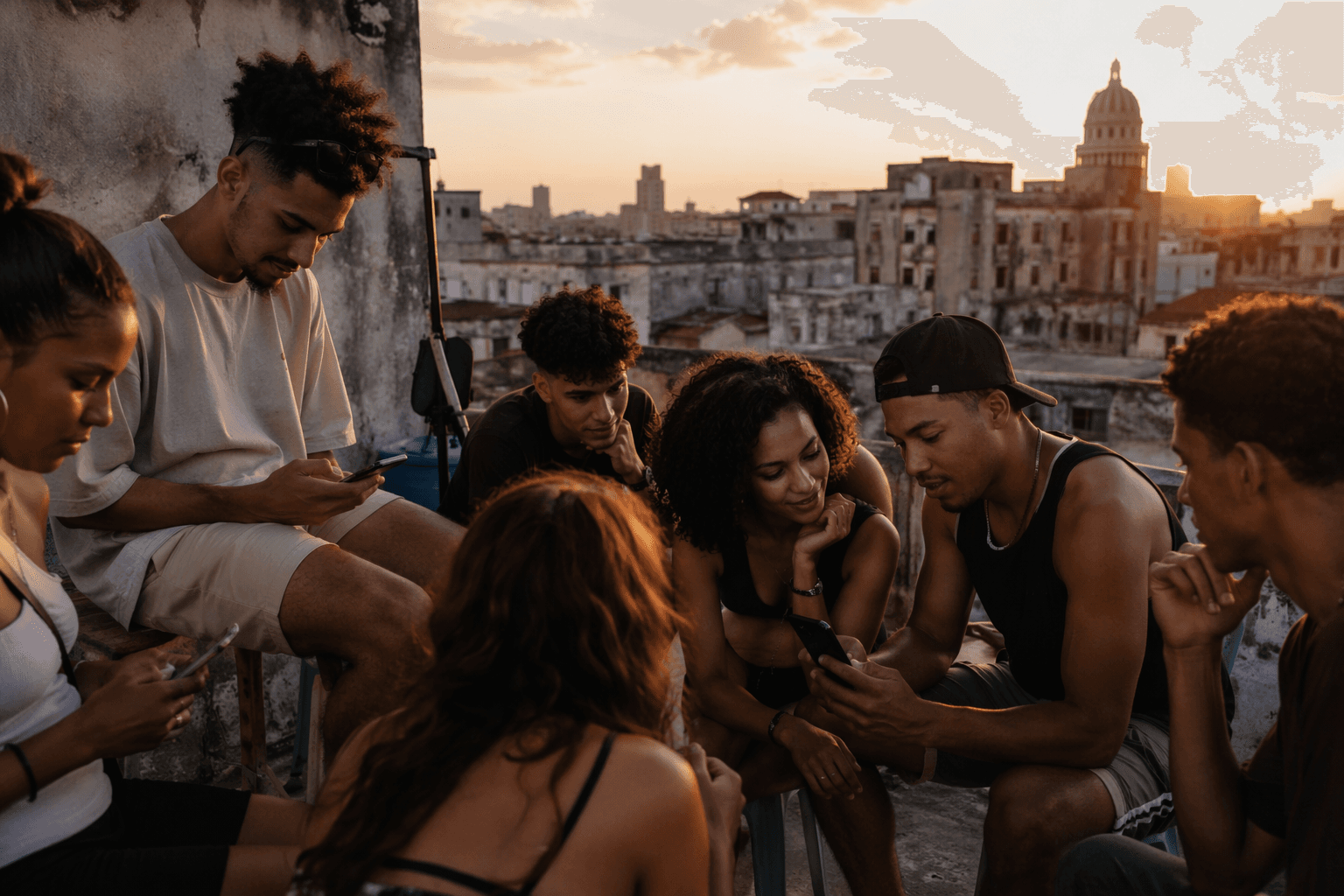
Marianao residents protest blackouts and shortages in Havana cacerolazo
Marianao’s pot-banging protest erupted after another blackout left residents facing darkness, shortages, and fear at street level.
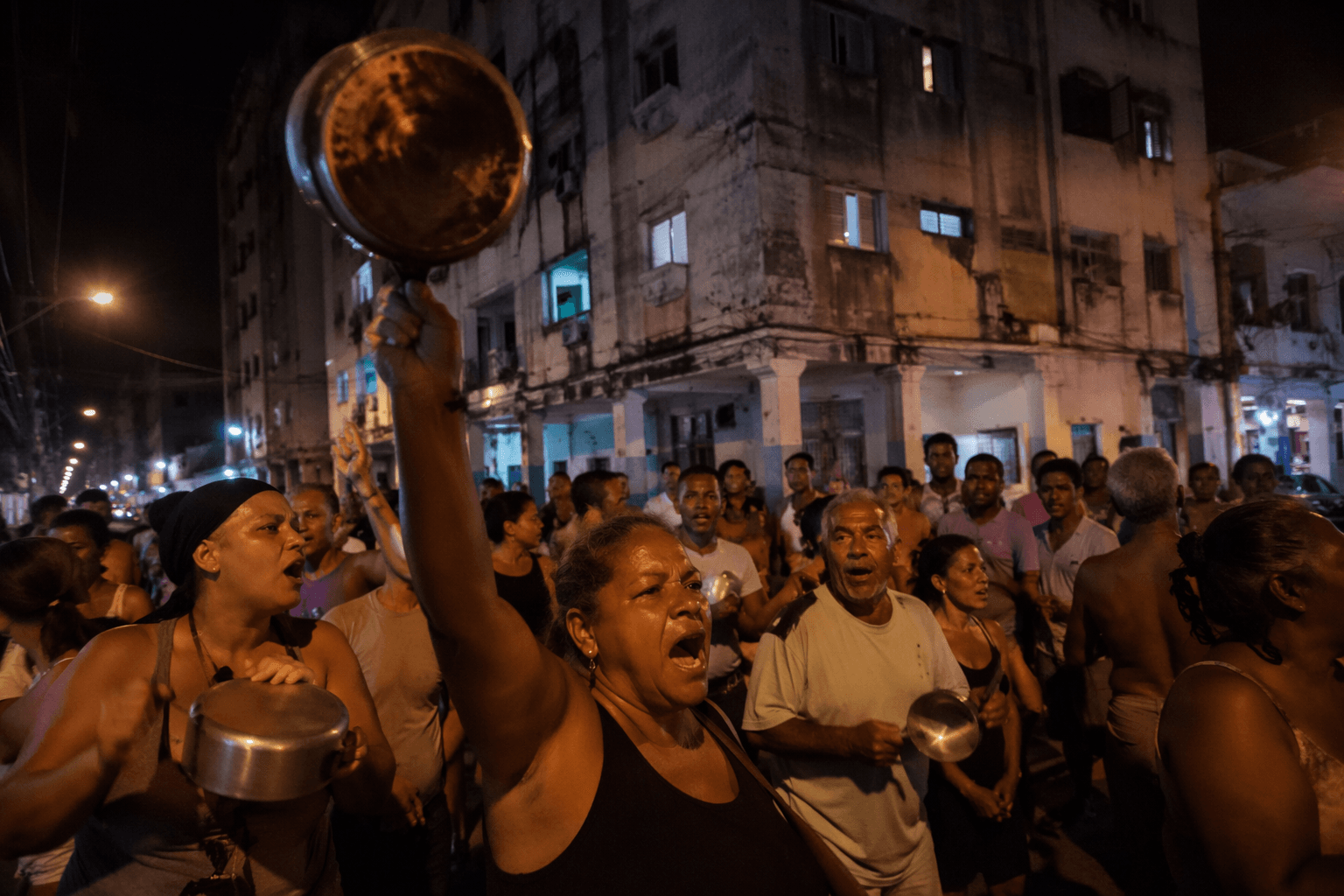
Blackouts pushed Marianao residents past quiet endurance and into the street late on May 31, when Zamora became the site of a cacerolazo that carried into the early hours of June 1. The protest did not begin as a slogan-driven political rally. It began with the failure of daily life: no electricity, mounting scarcity, and the sense that ordinary families had been left to absorb the full weight of Havana’s crisis.
In that corner of Marianao, the reaction was immediate and local. People came out to make noise, and the street itself became the message. Pots clanged from windows and doorways as residents broke the silence that blackouts had imposed for hours at a time. The anger was not abstract. It was tied to repeated outages, empty shelves, and the growing insecurity that comes when homes go dark and neighborhoods lose the basic routines that keep people calm and inside.
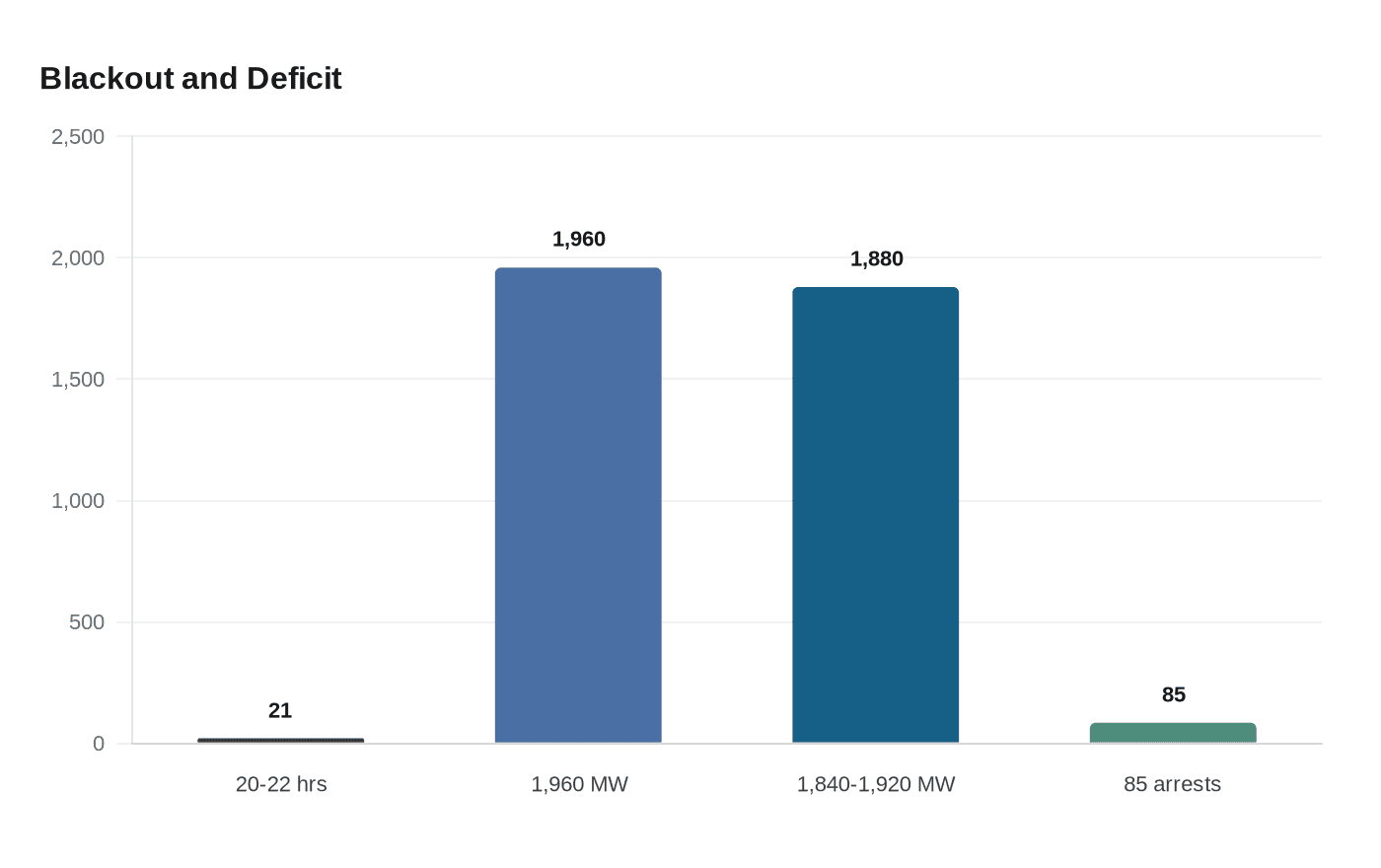
The moment in Zamora fit a wider pattern that had already spread through Havana in May 2026. Earlier that month, protests broke out across the capital as Cuba endured its worst rolling blackouts in decades. Many Havana neighborhoods were left without electricity for 20 to 22 hours a day, while the state power utility projected a peak-night deficit of about 1,960 megawatts. Later reporting put the shortfall in the same range, around 1,840 to 1,920 megawatts, showing that the grid crisis was still severe when Marianao erupted.
Residents were not only responding to darkness. They were living through a fuel collapse that the energy minister said had left Cuba out of oil and diesel in mid-May. That shortage fed the outages, deepened the food strain, and sharpened the feeling that the system could not meet even the most basic needs. In that atmosphere, the demand in the street was plain: power, food, and a livable day-to-day reality.

The Marianao protest also reflected a broader shift in mood. Younger Cubans were not simply waiting out the crisis, but signaling that they did not feel represented by the current rulers. That break matters in a neighborhood like Marianao, where frustration with outages and shortages has repeatedly spilled into public view. It is also part of a tougher climate for dissent, after Cubalex reported more than a dozen detentions tied to earlier Marianao protests and Amnesty International said at least 85 people were arrested after March demonstrations.
What happened in Zamora showed how quickly a blackout becomes a political rupture in Havana. When the lights went out again, Marianao answered with pots, noise, and a street full of refusal.
This article was produced by Prism’s automated news system from verified source data, official records, and press releases, then run through automated quality and moderation checks before publishing. The system is built and supervised by the people who set the standards it runs under. Read our full AI policy.
Did this article answer your question?