Mexico and Belize send 1,700 tons of aid to Cuba
A 1,700-ton aid ship from Mexico and Belize docked in Cuba as shortages deepened, showing how repeated relief has become part of daily survival.
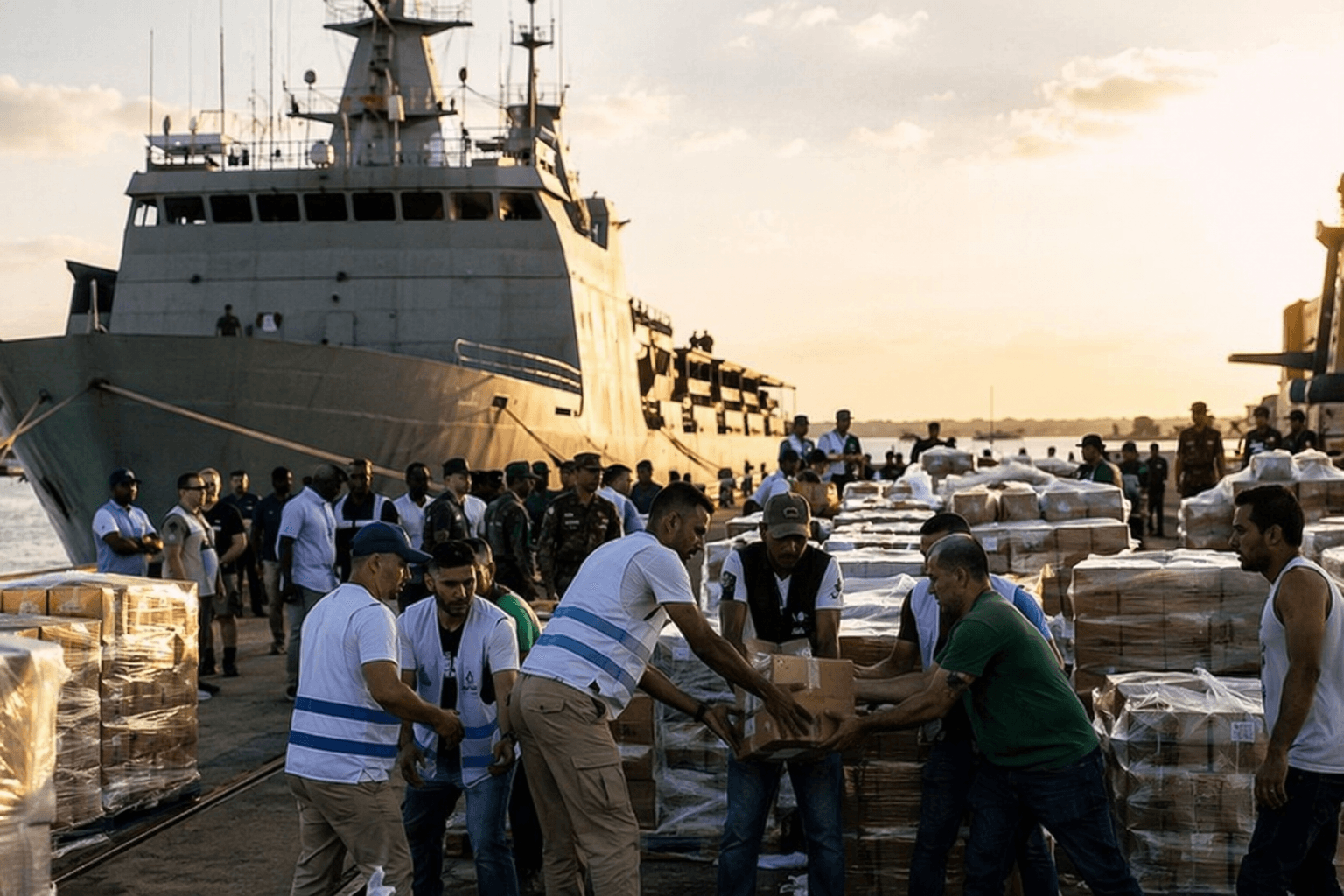
A ship carrying 1,700 tons of food and other aid from Mexico and Belize docked in Cuba, a delivery that says as much about the island’s shortages as it does about the cargo itself. The relief shipment is large by any measure, but in a country facing persistent food, fuel and medical strain, it is also a reminder that one delivery cannot close the gap.
Cuban President Miguel Díaz-Canel said the aid came from government officials, supporters and Cubans living abroad, and thanked donors on X for what he called a “supportive embrace” in difficult times. The vessel was the Asian Katra, the same merchant ship AP had previously reported carrying humanitarian cargoes to Cuba, a sign that these are becoming recurring lifelines rather than one-off gestures.

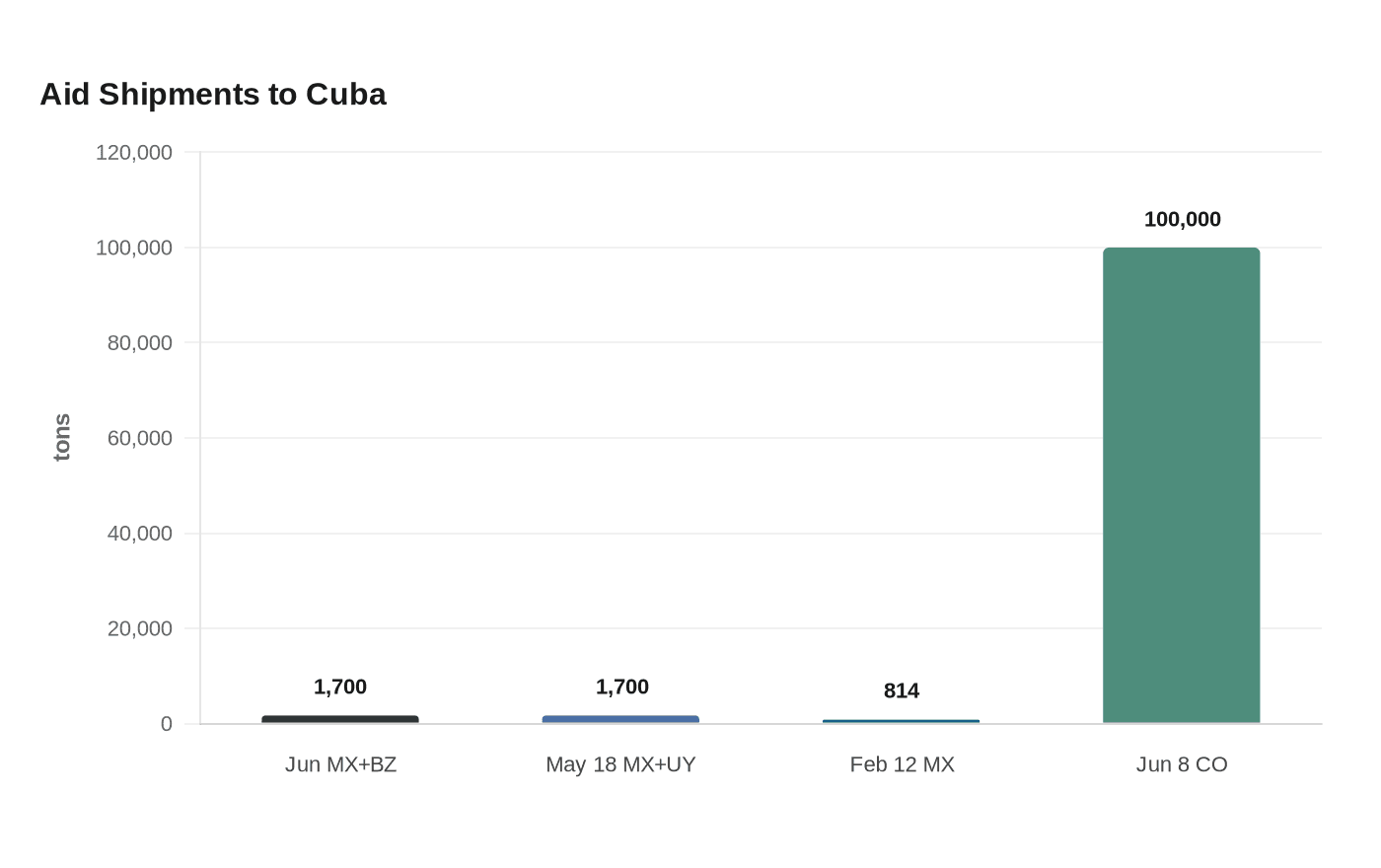
The June arrival followed another major shipment on May 18, when a vessel from Mexico and Uruguay reached Havana with more than 1,700 tons of grains, powdered milk, personal hygiene items and other food products. Cuba’s food industry minister, Alberto López Díaz, said that cargo would be distributed “with the utmost responsibility and respect,” with priority going to children, the elderly and vulnerable families. In Havana, the reaction from residents was telling: one told AP, “Anything that comes in is good,” capturing how thin supplies have become in ordinary homes.
The scale of the emergency goes well beyond food. On April 6, the United Nations said Cuba’s humanitarian needs were “quite acute and persistent,” describing a crisis that was affecting about two million people across eight provinces. The UN said nearly one million people depended on water trucking, more than 96,000 surgeries were backlogged, including 11,000 for children, and repeated disruptions had hit the national grid.
Fuel scarcity has made the pressure even worse. On May 14, Vicente de la O Levy, Cuba’s energy minister, said the island had run out of fuel oil and diesel, while blackouts stretched up to 22 hours a day in parts of Havana. Mexico has already been a major supplier in that emergency response, sending more than 814 tons aboard the Papaloapan and Isla Holbox on February 12 and another humanitarian shipment on February 24.
The aid stream widened again on June 8, when Colombia said a vessel carrying 100,000 tons of supplies, including food, had departed for Cuba. Against that backdrop, the 1,700 tons from Mexico and Belize looked less like a standalone rescue than another pressure valve for a system still straining to keep essentials moving.
This article was produced by Prism’s automated news system from verified source data, official records, and press releases, then run through automated quality and moderation checks before publishing. The system is built and supervised by the people who set the standards it runs under. Read our full AI policy.
Did this article answer your question?