New U.S. order accelerates collapse of Cuba’s fragile tourism sector
Friday’s U.S. order is forcing foreign firms to choose between Cuba and the U.S. market, and Blue Diamond is already pulling back.

The new U.S. order is poised to hit Cuba’s tourism pipeline on Friday, and hotel operators are already moving first. By threatening the U.S.-based assets of foreign companies and individuals that keep doing business with the Cuban government, the measure is pushing a fresh round of pullback across the island’s already brittle travel sector.
Signed on May 1, the order casts a wide net over energy, defense, finance, mining and security. Its reach goes far beyond politics. The practical effect is to make Cuba a harder place to book, insure, finance and supply, because foreign firms now have to weigh Cuban contracts against the risk of losing access to the U.S. market.
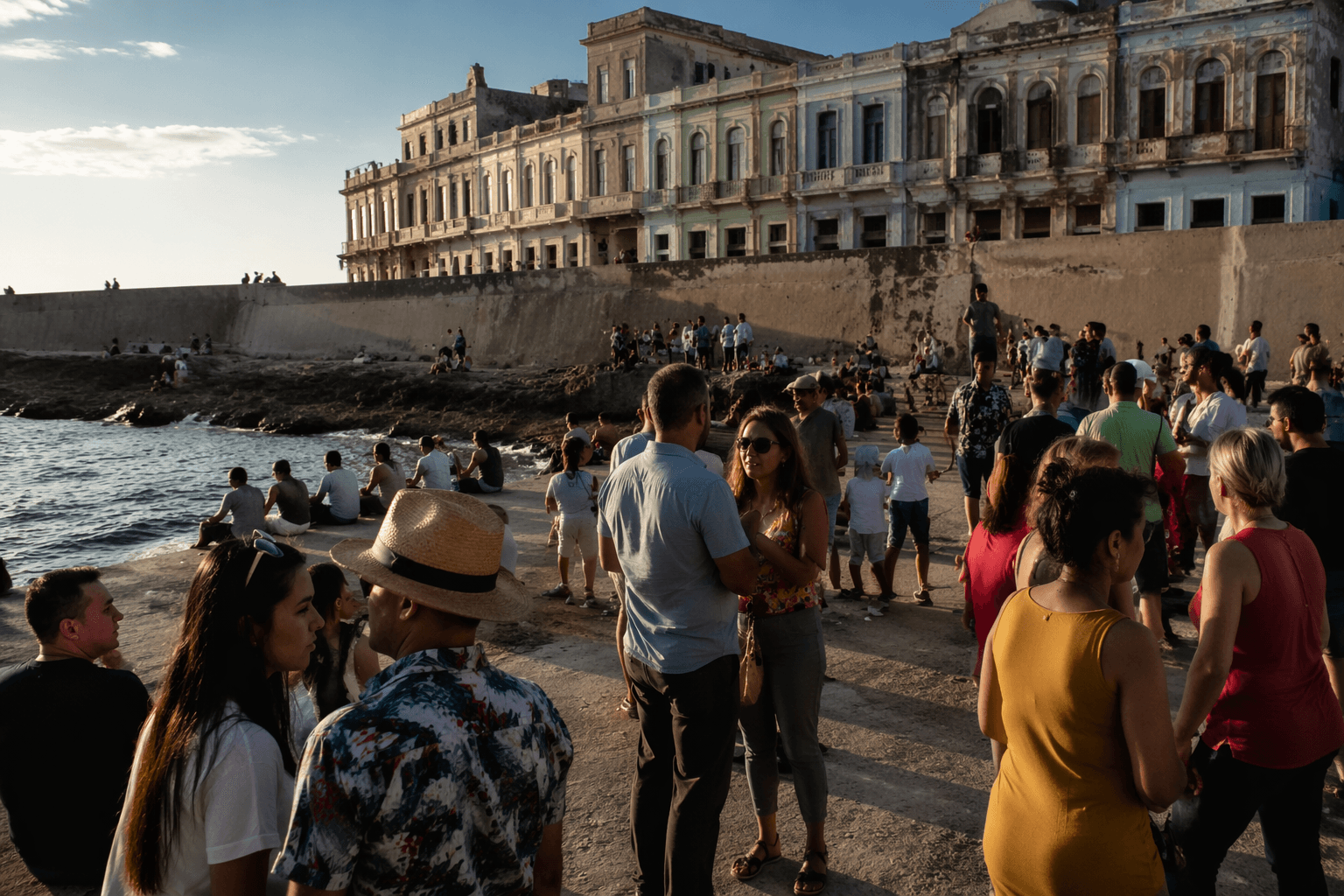
One immediate sign of the pressure is the decision by Blue Diamond, the Canadian-owned hotel operator, to shut down its operations in Cuba. That move is being read as a warning for other companies that may still be calculating whether the island is worth the exposure once the deadline hits on Friday, June 5. In a market already marked by weak demand and low confidence, the loss of another major operator only deepens the uncertainty around rooms, reservations and hotel management.
Economist Pavel Vidal says the likely outcome is a near-total separation of Cuba from the trade and finance circuits that keep the country supplied. His view is that foreign firms which once tolerated some level of risk may now decide the complications are no longer worth it, especially if they also need to protect business in the United States. That shift matters for tourism because hotels do not run on occupancy alone. They depend on imports, payments, transport, insurance and foreign investment to keep doors open and services functioning.
The damage is likely to spread well beyond hotel lobbies. Imports could become harder to move, maritime transport and insurance costs could rise, and foreign investment may dry up further. Even remittances and a few narrow channels of private-sector trade could end up among the only flows left with any room to operate. For Cuba’s tourism business, that means the blow is not just another sanction on paper. It is a direct hit to the financial plumbing that keeps the sector alive.
What changes this week is the level of risk. The order turns Cuba from a difficult market into one that foreign firms must now consider actively toxic, and that is why the collapse of tourism looks more structural than cyclical. The Friday deadline does not just add pressure. It speeds up the unraveling.
This article was produced by Prism’s automated news system from verified source data, official records, and press releases, then run through automated quality and moderation checks before publishing. The system is built and supervised by the people who set the standards it runs under. Read our full AI policy.
Did this article answer your question?