OAS urges democratic restoration and prisoner release in Cuba, Nicaragua, Venezuela
The OAS put Cuba back in a regional democracy fight, but the statement adds pressure more than policy. Havana still faces calls to free prisoners and answer for rights abuses.
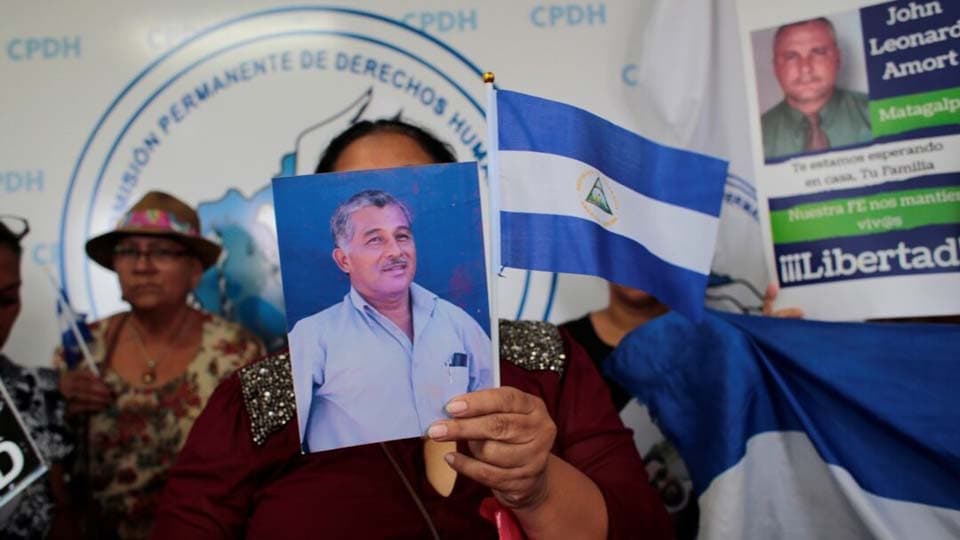
The Organization of American States’ Secretariat renewed its call for democratic restoration in Cuba, Nicaragua and Venezuela and for the release of everyone detained for political reasons. The message, delivered from Panama City, put Havana in the same warning line as two governments already under heavy hemisphere-wide scrutiny.
The statement matters less as a policy tool than as a pressure signal. It does not change Cuban law or force a prisoner release on its own, but it keeps Cuba visible inside the inter-American democracy debate at a moment when the island is still trying to project stability, court outside capital and manage the fallout from sanctions, shortages and political repression.
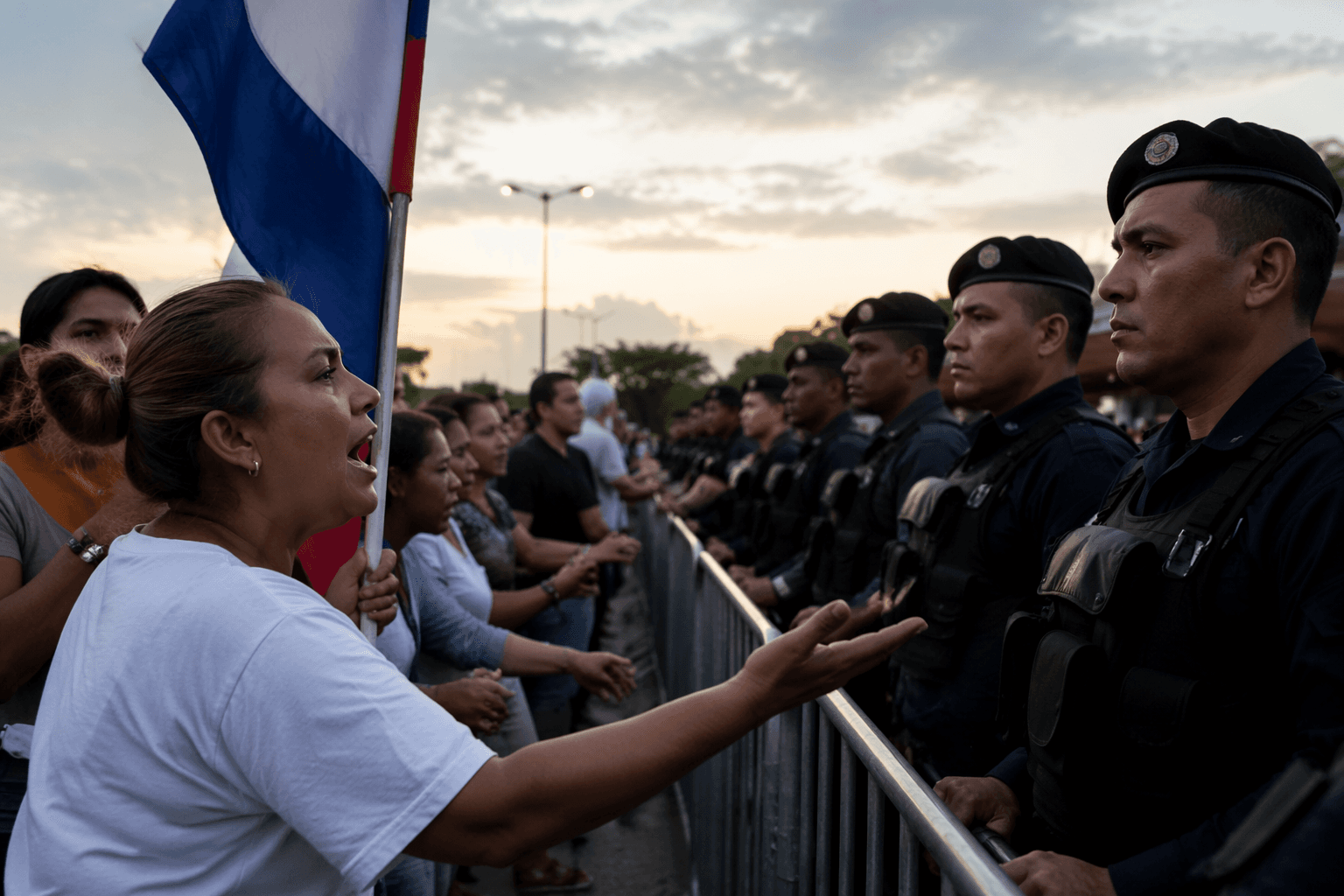
The OAS Inter-American Commission on Human Rights has already put hard numbers behind that criticism. In its most recent civil-society data, it counted 1,148 political prisoners in Cuba in 2024. It said Nicaragua still had 36 people incarcerated in connection with the crisis that began on April 18, 2018, and Venezuela had 1,849 political prisoners at the end of 2024, including 1,572 arrested during or after the July 28, 2024 election protests.

For Cuba, the latest OAS language lands alongside a string of rights-group warnings that the prisoner issue is still active, not historical. Amnesty International said on April 15 that recent Cuban releases were handled with discretion and little transparency, after Havana announced the imminent release of 51 detainees following a pardon for 2,010 people on April 2. Human Rights Watch said on April 8 that it and civil-society groups had not identified political prisoners among those released in the April 2 move.
Amnesty has also kept specific names in circulation, including Saylí Navarro Álvarez, Félix Navarro Rodríguez, Loreto Hernández García, Donaida Pérez Paseiro, Roberto Pérez Fonseca and Maykel Castillo Pérez, known as Osorbo. Its Cuba reporting says Cubalex documented 39 prison deaths in 2025, a figure that adds urgency to the broader release debate.
The regional backdrop is what gives the OAS statement its bite. The commission has continued urging Nicaragua to end human-rights violations and unconditionally release political prisoners, and in May it called for the immediate, unconditional release of political prisoners in Venezuela. For Havana, that means the pressure is not coming in isolation. Cuba is still being grouped with the hemisphere’s most closely watched repression cases, and that affects how regional governments, Washington and potential investors read the island’s political risk.
This article was produced by Prism’s automated news system from verified source data, official records, and press releases, then run through automated quality and moderation checks before publishing. The system is built and supervised by the people who set the standards it runs under. Read our full AI policy.
Did this article answer your question?