Raúl Castro's grandson backs Cuba's economic opening in rare interview
Raúl Castro’s grandson surfaced just after a 176-measure reform push, backing Cuba’s opening and signaling a softer tone toward Washington.
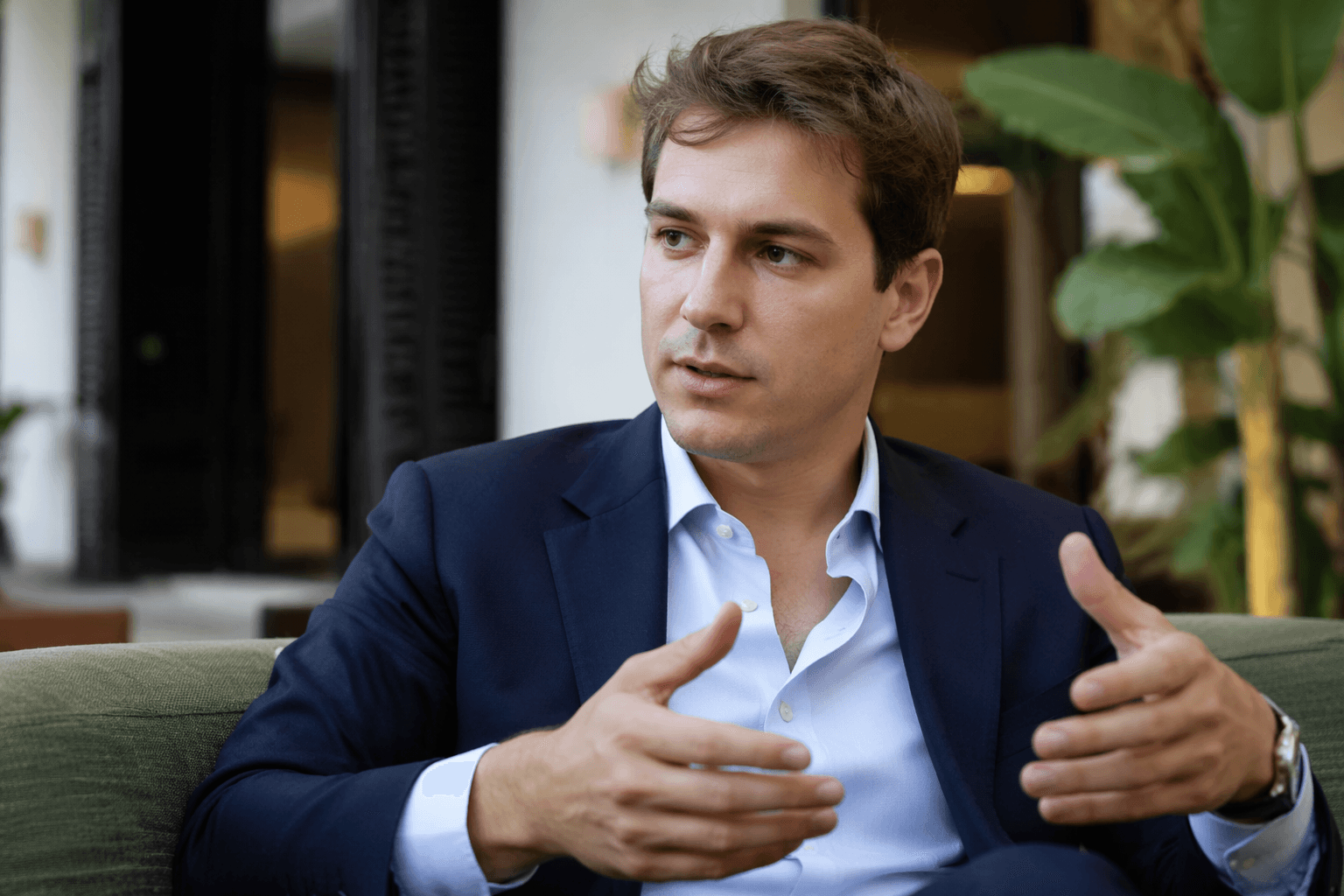
Raúl Guillermo Rodríguez Castro stepped into public view at a moment Havana clearly wanted control of the message. In his first public interview, the grandson of Raúl Castro backed Cuba’s economic opening and signaled détente toward Washington, speaking alongside trade official Carlos Luis Jorge Méndez just as the island’s leadership was rolling out a new reform package.
The timing was not accidental. Cuba’s Communist Party had already held an extraordinary plenary session on June 17 to evaluate proposed economic and social transformations, and the National Assembly debated the package on June 18. By the time Rodríguez Castro spoke on June 19, the government was trying to frame the shift as a strategic necessity, not an ideological retreat.

The package itself was substantial. Multiple reports described it as 176 measures, and some said it was organized into 23 areas and built from 390 suggestions, of which 66.7% were accepted. Prime Minister Manuel Marrero Cruz presented the reforms, which broaden the space for private capital, private enterprise and foreign investment. Observers have described the overhaul as one of the most significant economic shifts in years, and it arrived amid power shortages, deep contraction and persistent U.S. pressure.
Rodríguez Castro is not a casual voice from the Castro orbit. Background reporting identifies him as a colonel in Cuba’s Ministry of the Interior and a former head of Raúl Castro’s personal security detail. He is also the son of Débora Castro Espín and Luis Alberto Rodríguez López-Calleja, the late head of GAESA, the military conglomerate that controls a large share of the Cuban economy. Rodríguez López-Calleja died on July 1, 2022, but his family’s ties still anchor the way power is read in Havana.
That is why this interview landed as more than a profile. By giving Rodríguez Castro a public platform now, the regime appeared to be testing a message to two audiences at once: Cubans, who are being told the opening is being managed from the center of power, and Washington, which is being told Havana is looking for a different tone. The substance of the package matters, but so does the symbol, and in Cuba this family name still tells both stories at once.
This article was produced by Prism’s automated news system from verified source data, official records, and press releases, then run through automated quality and moderation checks before publishing. The system is built and supervised by the people who set the standards it runs under. Read our full AI policy.
Did this article answer your question?