Russian oil shipment eases Cuba fuel crisis, briefly cuts blackouts
A 100,000-metric-ton Russian cargo briefly steadied Cuba’s grid. Officials said the fuel would last only days.
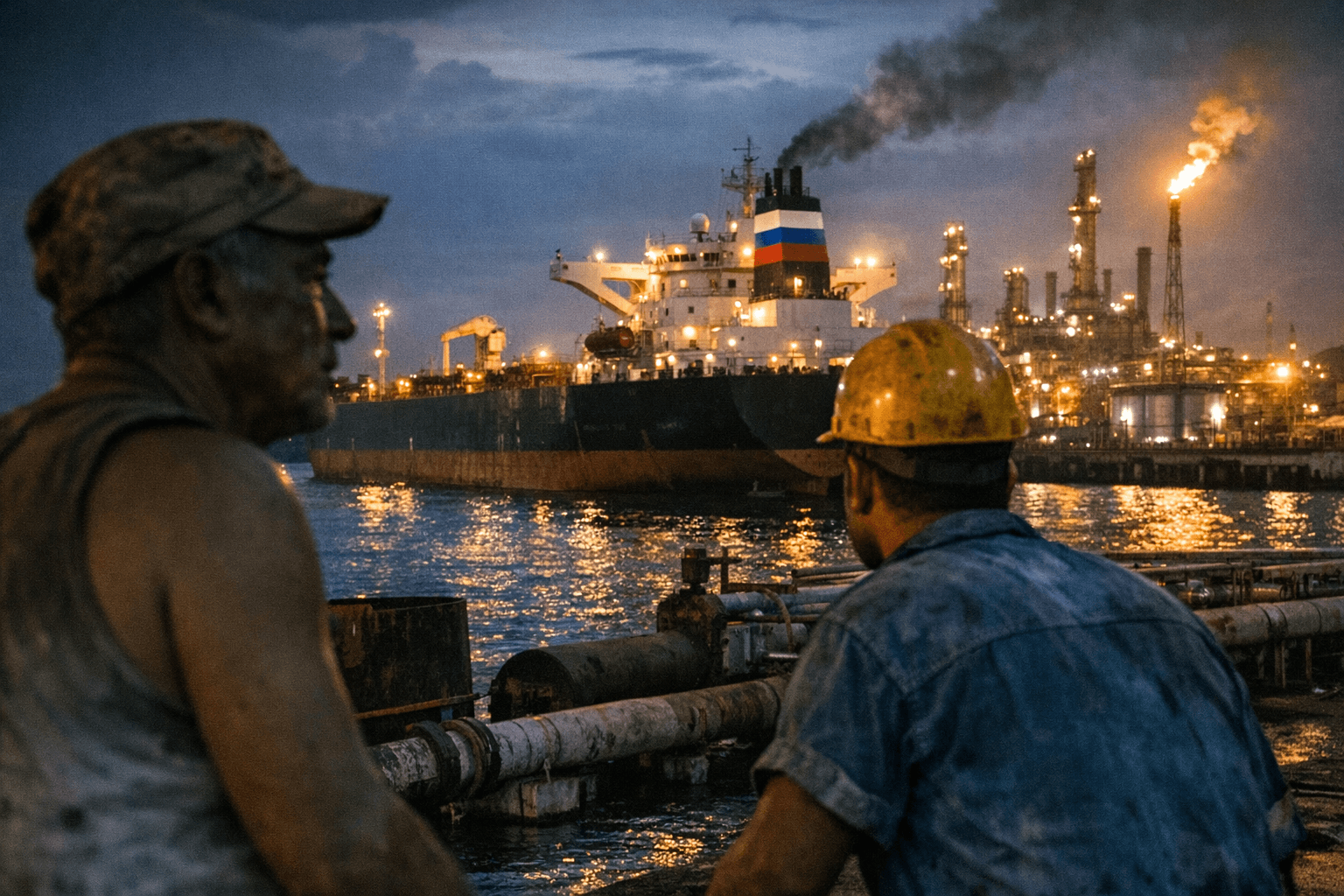
A 100,000-metric-ton Russian oil shipment has given Cuba a short-lived break from its fuel emergency, cutting blackouts in some areas just as the island’s power system was struggling to keep up. But the relief is already on a timer: Energy Minister Vicente de la O Levy said Cuba would need eight similarly sized shipments every month to cover generation and industrial demand.
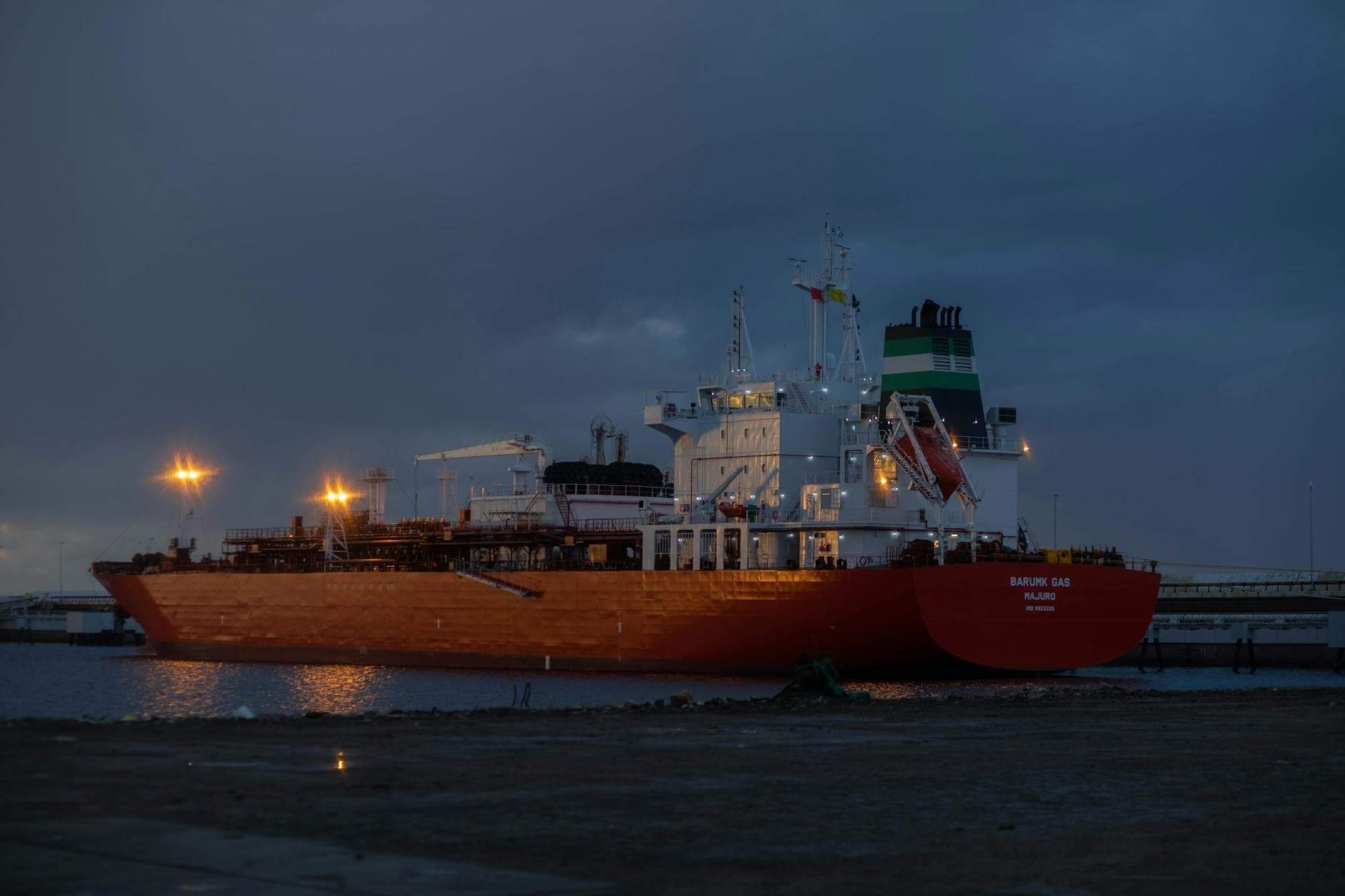
The cargo arrived aboard the Russian-flagged tanker Anatoly Kolodkin, which offloaded about 700,000 barrels of Urals crude in late March at Matanzas Bay. That shipment became the first major oil delivery to reach the island after Washington moved to choke off fuel flows earlier this year. The crude was refined into gasoline, diesel and fuel oil, and the products began trickling out of the Cienfuegos refinery on April 17.
For many Cubans, the effect was immediate. After nearly four months of long rolling outages, people interviewed in Cuba said blackouts fell sharply in some places this week. The change was visible in daily life, from homes with a few more hours of power to less strain on transport and basic services that depend on fuel moving through the system. Even so, the remaining supply from the Russian cargo was described as only a few days’ worth, likely lasting until the end of the month.
That makes the shipment less a recovery than a temporary reprieve. Russia has said it is preparing another delivery, but no date has been set, and Cuba’s wider energy crisis has not eased. The United Nations said the country’s humanitarian needs remained “quite acute and persistent,” with the energy shock worsening since the end of March. The UN also said Cuba suffered three national power-system disconnections last month, while more than 96,000 surgeries remain pending, including 11,000 for children.
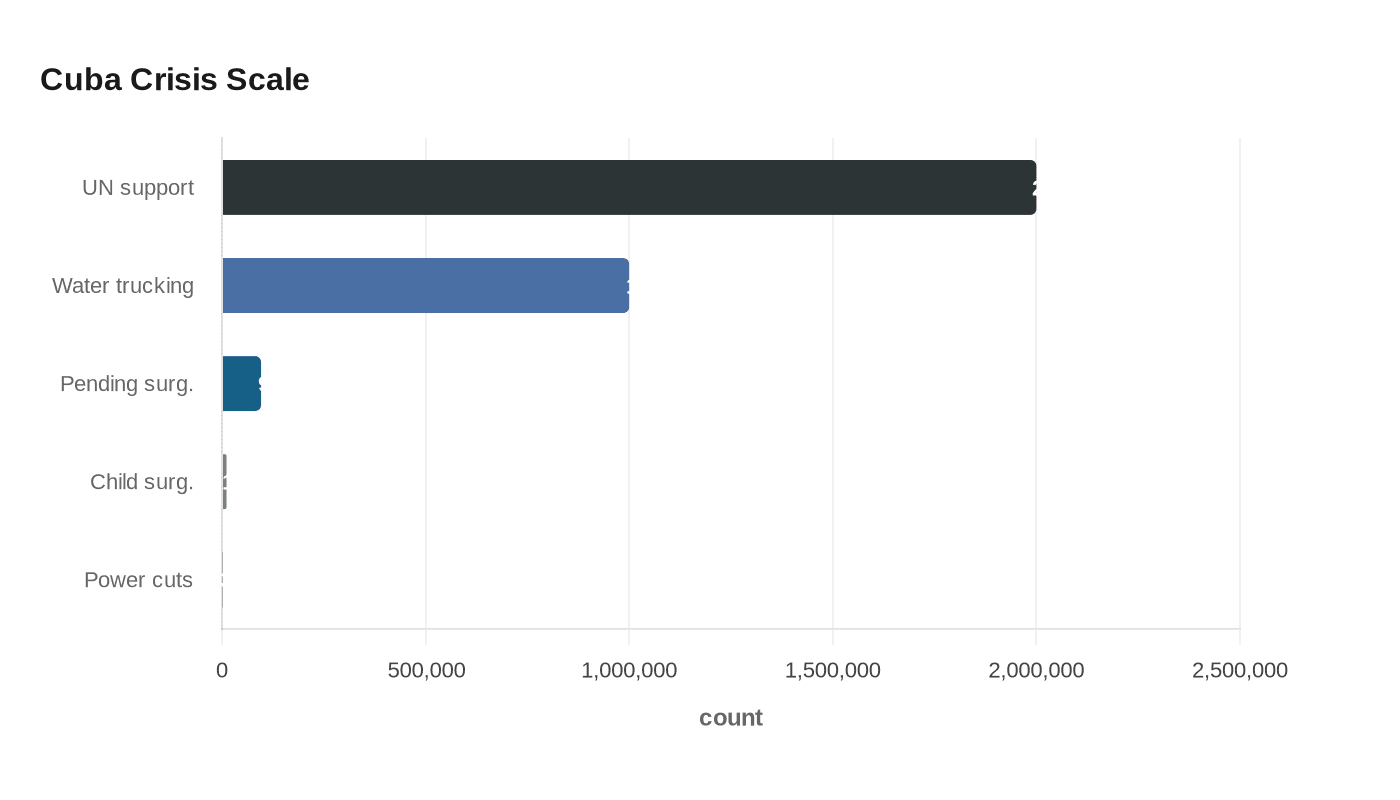
The strain reaches far beyond the grid. Roughly one million people in Cuba depend on water trucking, and that system is constrained by diesel shortages. The UN’s updated action plan is aimed at supporting around two million people across eight provinces, with special focus on the collapsing power system, water pumping, hospitals and schools. Solar backup is part of the plan, but it does not replace the fuel Cuba needs to keep lights on, buses moving and basic services running.
This article was produced by Prism’s automated news system from verified source data, official records, and press releases, then run through automated quality and moderation checks before publishing. The system is built and supervised by the people who set the standards it runs under. Read our full AI policy.
Did this article answer your question?