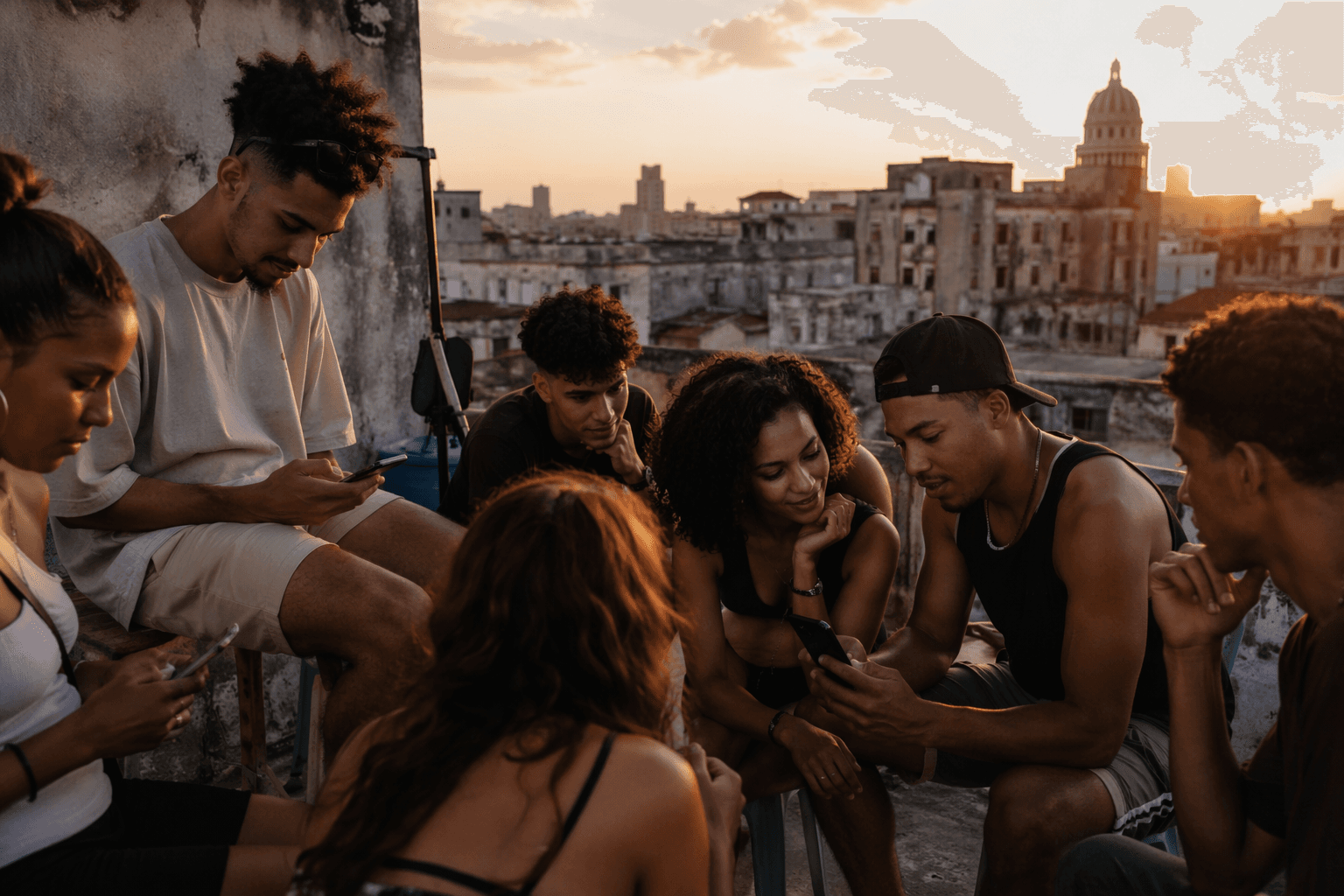
Silvio Rodríguez says Cuba's crisis stems from stalled economic reforms
Silvio Rodríguez linked Cuba’s blackouts and shortages to reforms delayed for decades, saying a "more realistic economy" could have softened the crisis.
Silvio Rodríguez has turned Cuba’s grinding collapse into a political warning from inside the Revolution. The 79-year-old singer said the island’s severe crisis is tied to reforms that were never carried through, arguing that if Cuba had adopted a "more realistic economy" after Fidel Castro acknowledged the old model was failing, today’s hardship would not be so severe.
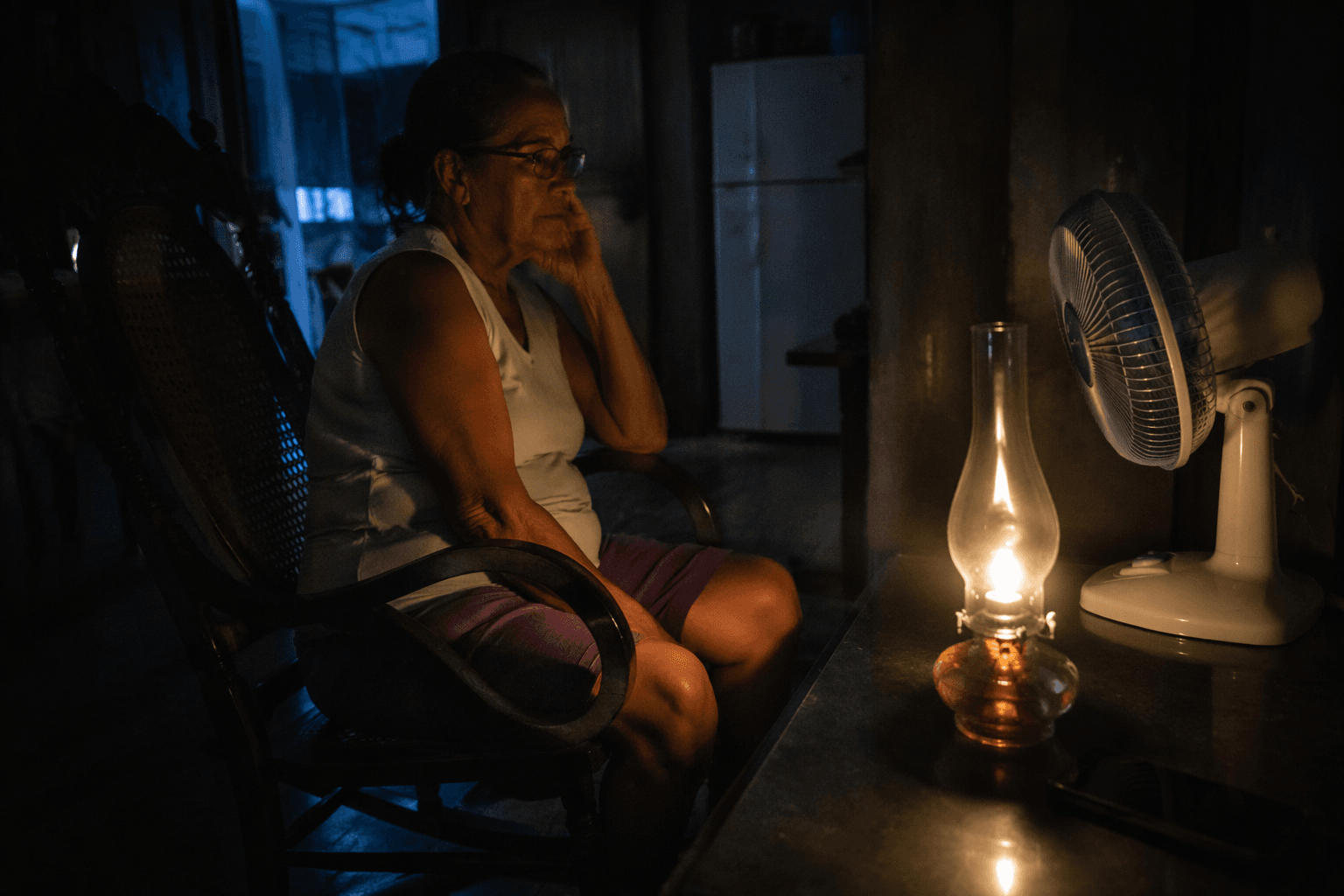
That message lands at a moment when blackouts, shortages, and public exhaustion have become part of daily life across Cuba. Rodríguez linked the lack of reform to the power cuts that have disrupted schools and left families stuck in a cycle of uncertainty, a criticism that goes beyond culture and into the core of how Miguel Díaz-Canel’s government has managed the economy.
The timing matters because the emergency has deepened sharply since late January 2026, when Washington took measures that further restricted oil supplies entering Cuba. In April 2026, the United Nations said humanitarian needs on the island remained "acute and persistent," with fuel shortages worsening after those U.S. steps. By May 22, 2026, EL PAÍS reported that Cuba had endured several days of 24-hour blackouts, and that the National Electric System had suffered seven failures in the previous 18 months, including two in March and a partial disconnection that affected two-thirds of the country.
Rodríguez has been moving toward sharper public criticism for some time while still rejecting opposition rule and insisting on his loyalty to the Revolution. In earlier remarks, he said Cuba faced "so many bureaucratic obstacles" that potential investors had abandoned projects, a direct hit at the delays and red tape that have kept the island from getting the capital and efficiency it needs. In March 2026, he also wrote about Cuba’s political, economic, and social crisis, describing a country squeezed by isolation and shortages.
That is why his latest intervention matters beyond the music world. Rodríguez remains one of Cuba’s most recognizable voices, and when a lifelong symbolic supporter of the Revolution says the problem is stalled reform, it widens the space for debate over whether Díaz-Canel’s government has resisted the changes needed to stabilize the economy. In a country already living through repeated blackouts and fuel shortages, his criticism reads less like a celebrity opinion than a signal that the argument over Cuba’s future has entered a more open phase.
This article was produced by Prism’s automated news system from verified source data, official records, and press releases, then run through automated quality and moderation checks before publishing. The system is built and supervised by the people who set the standards it runs under. Read our full AI policy.
Did this article answer your question?