Spanish hotel chains face millions trapped in Cuba’s banks
Spanish hotel groups have up to €100 million trapped in Cuban banks, while the state owes €500 million more to 200-plus suppliers. The cash squeeze is hitting tourism's core.
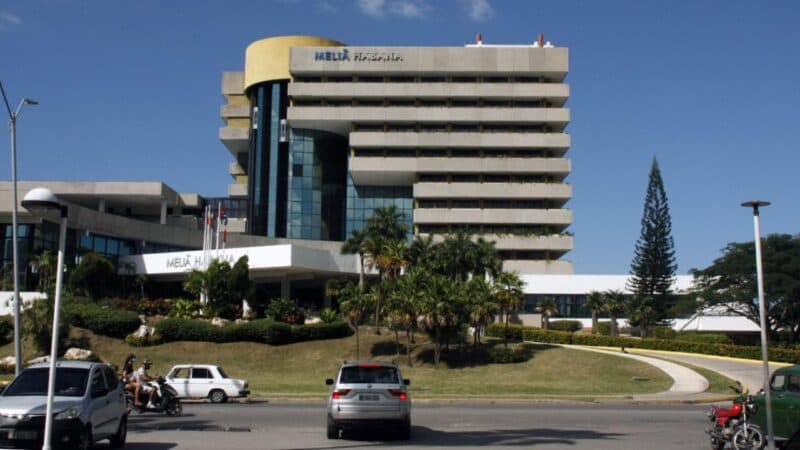
Spain’s biggest hotel groups in Cuba are sitting on between €80 million and €100 million that they cannot repatriate, a sign that the island’s tourism model is breaking at the banking level, not just at the level of empty rooms. Parent companies in Spain now treat that money as a loss on their balance sheets, turning a long-running business relationship into a frozen asset.
The scale of the problem reaches well beyond the hotel chains. Cuba’s state also owes about €500 million to more than 200 Spanish small and medium-sized companies that supplied food, medicines, medical equipment, and other goods. Together, the unpaid bills and trapped profits show how a sector built on foreign capital has been caught in a hard-currency squeeze that reaches from hotel front desks to supplier invoices.
The relationship began in 1990, when the Sol Palmeras hotel opened in Varadero under a joint-venture model that let foreign companies finance and manage hotels while the Cuban state kept ownership of the land. Spain became the leading foreign investor in Cuba’s tourism sector through that formula, with more than 100 hotels built over the decades and total accumulated investment of roughly €160 million. For years, operators recovered their initial capital through profits that could be moved out of the country with relative ease.
That changed as GAESA, the military conglomerate controlled by Cuba’s armed forces, gained strength and began building its own hotels through Gaviota. The sector ended up with state, military, and foreign operators competing inside the same tourism economy, while the foreign partners were still expected to keep the system supplied, managed, and financed.
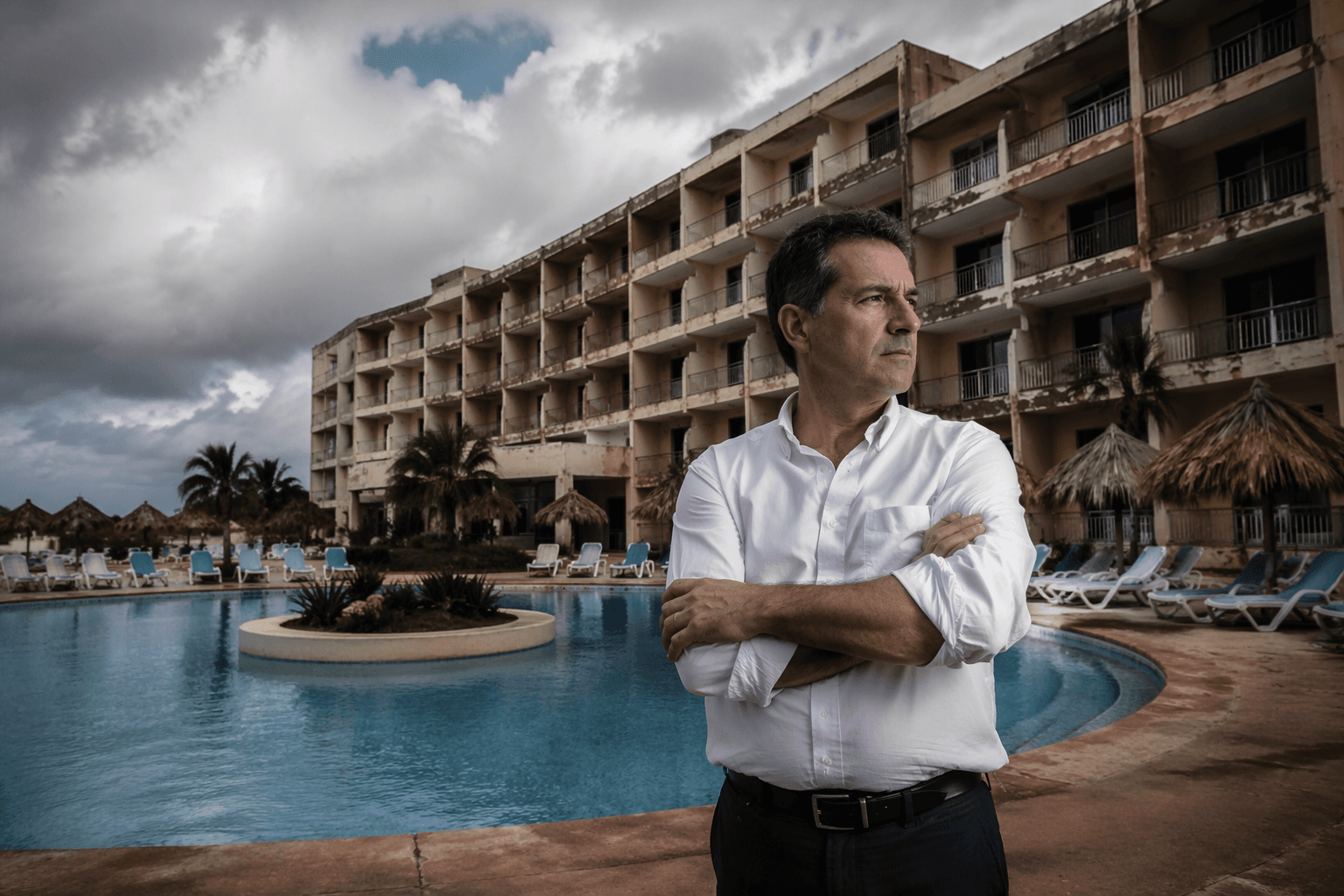
The pressure intensified after Washington activated Title III of the Helms-Burton Act in 2019, then deepened during the pandemic and Cuba’s broader hard-currency crisis. Foreign companies could no longer count on taking profits out of Cuba, and U.S. sanctions raised the legal and financial risk of doing business with military-linked entities. What had once been a functioning investment cycle started to look like money locked behind a wall.
The fallout is visible far beyond Spain’s balance sheets. If money cannot move, hotel management becomes riskier, supplies become harder to secure, and future investment turns harder to justify. In Cuba’s tourism sector, the trapped cash is now doing more damage than low visitor numbers alone, because it is testing whether foreign operators still believe the island can function as a reliable place to do business.
This article was produced by Prism’s automated news system from verified source data, official records, and press releases, then run through automated quality and moderation checks before publishing. The system is built and supervised by the people who set the standards it runs under. Read our full AI policy.
Did this article answer your question?