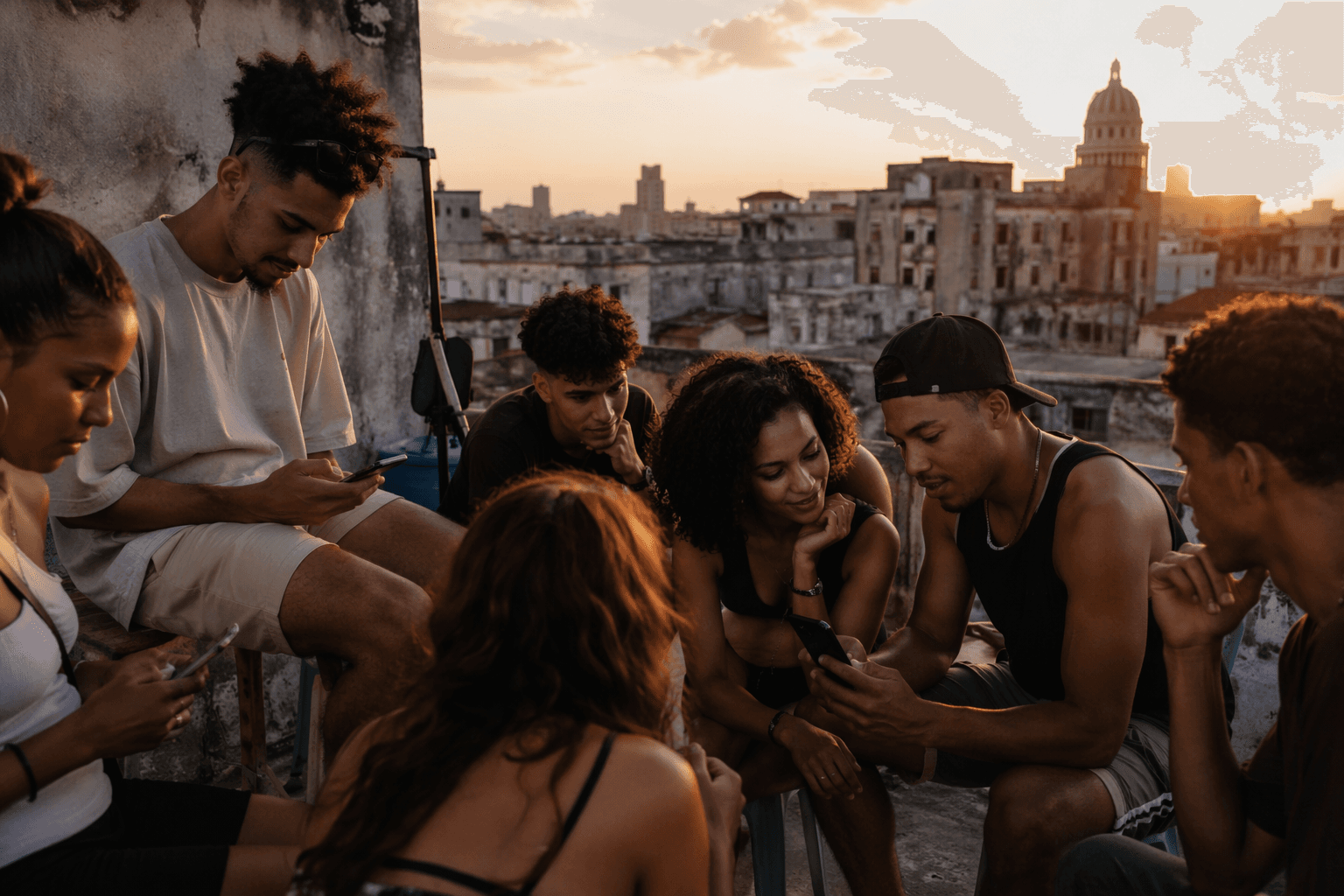
Street sellers in Havana push alprazolam as Cuba’s crisis deepens
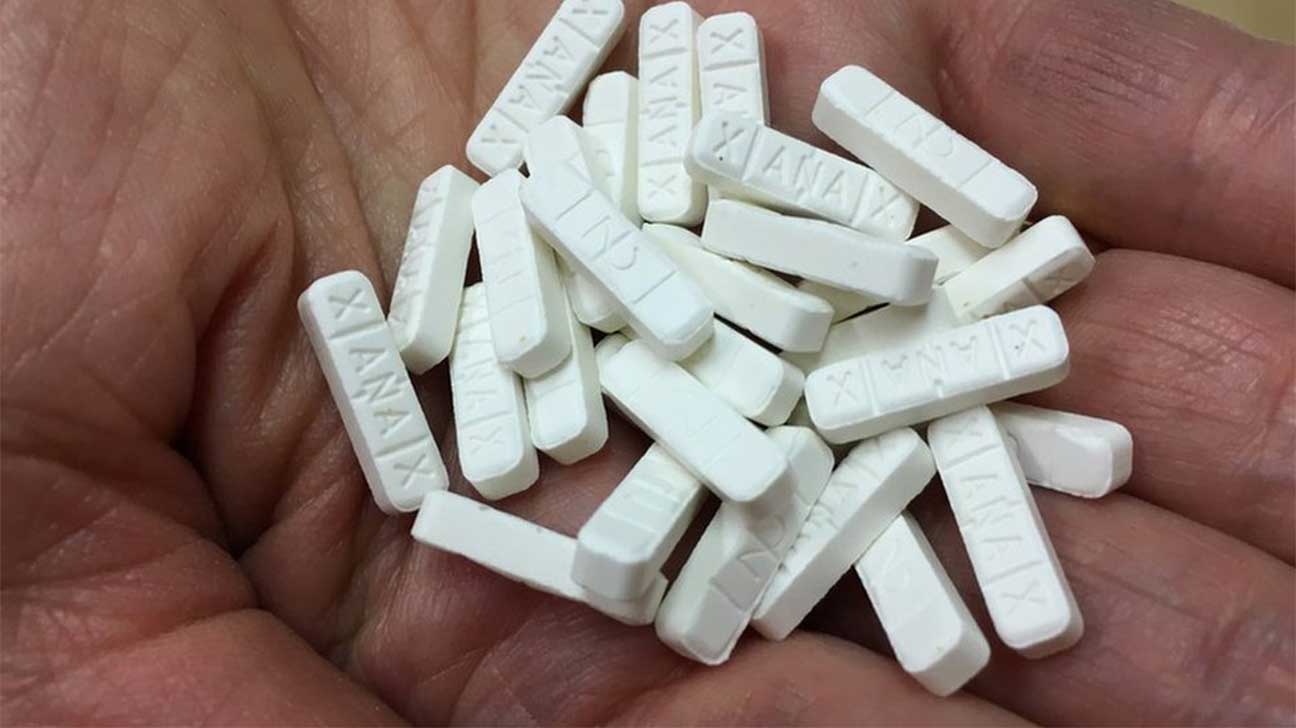
Street-corner Xanax is now part of Havana's survival economy, where one pill can cost 80 pesos and untreated anxiety is feeding a risky black market.
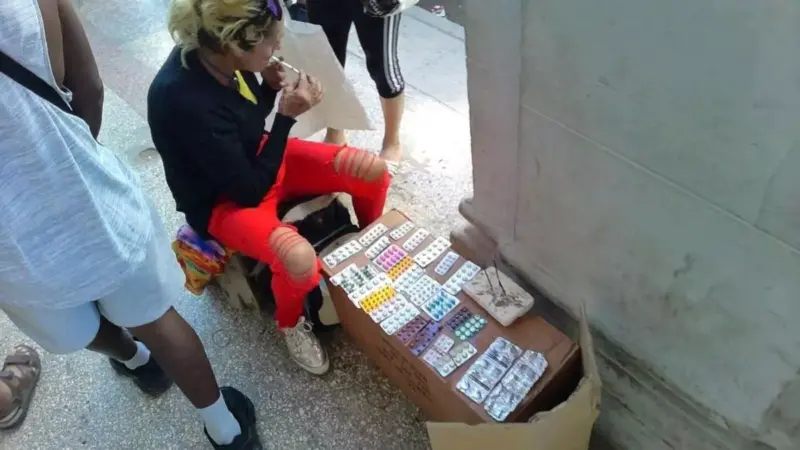
In Havana, alprazolam is being sold one pill at a time on sidewalks and in doorways, a trade that now sits beside peanuts, sweets, and loose cigarettes. That small street market is where two failures meet: mental-health needs left untreated and a black market that has learned to treat medicine like everyday merchandise.
A market built into the street
The sale of alprazolam, widely known as Xanax, has become visible in places like Nuevo Vedado, Carlos III and Reina, and Tejas Corner in Cerro. Blister packs are laid out on cardboard or tucked into doorways, with no prescription checks, no pharmacy counter, and no real barrier between regulated medicine and open resale. The scene mixes electric tricycles, street cries, and exhaustion, turning a medication trade into part of the city’s daily rhythm.
What makes the market especially striking is how small and immediate it has become. A single pill can cost 50, 60, or 80 pesos, which means buyers are often purchasing just enough to get through the day. That is not a retail drug market in any normal sense. It is a survival economy, and the price tells you how desperate both sides of the exchange have become.
Why people are buying it one pill at a time
The demand for alprazolam is tied to anxiety, insomnia, and stress that are now widespread and, for many people, untreated. In that setting, the drug is not simply a commodity. It becomes a way to blunt panic, sleep through another difficult night, or steady yourself long enough to keep moving.
That is what makes the street sale so dangerous. Buyers have no assurance that a pill came from a legitimate pharmacy supply chain, and in an informal market the risks of counterfeit or diverted tablets rise sharply. When a transaction happens in a doorway or on cardboard, the person taking the pill is also taking on uncertainty about what is inside it, how strong it is, and whether it was meant to be sold at all.

The report describing this trade notes that there are no official studies measuring its true scale. Even so, the pattern across multiple Havana locations suggests that this is not a fringe habit. It is a response to a city, and a country, where too many people are trying to self-manage stress because the formal system is no longer reliably there for them.
The health system behind the street sale
Pan American Health Organization reporting describes Cuba as enduring a worsening economic crisis marked by inflation, medication and supply scarcities, and migration of healthcare personnel. PAHO also says the country faces an unparalleled crisis driven by converging disasters, an energy emergency, and acute public health challenges. That backdrop matters, because street medicine does not appear in a vacuum. It grows where clinics, pharmacies, and public services stop meeting basic need.
The damage is not abstract. PAHO says seven Cuban provinces have faced severe water shortages, with Havana among the most affected at 80 percent. It also reports that 385 health facilities in Cuba have suffered damage of different types and intensity after recent disasters. Repeated blackouts, flooding, water shortages, and shortages of reagents, antibiotics, and other drugs keep pushing the system further out of reach for ordinary families.
Mental health on paper, access in real life
The World Health Organization’s Mental Health Atlas 2024 shows that Cuba does have a stand-alone mental health policy, a stand-alone mental health law, a suicide-prevention strategy, and an anti-stigma strategy. It also shows publicly funded coverage that leaves most people paying only 0 to 5 percent for inpatient care, outpatient care, and psychotropic medicines.
That is an important distinction. Cuba has policy architecture, but policy on paper does not guarantee medicine in the hand of a patient standing in line. When shortages deepen and services become harder to reach, the gap between formal coverage and actual access gets wider, especially for people needing ongoing treatment for anxiety, depression, insomnia, or other mental-health conditions. PAHO’s April 30, 2025 workforce report adds another layer, saying the Americas could face a deficit of 600,000 to 2 million health workers by 2030. It notes that Cuba and the United States still have almost four times the WHO benchmark number of health workers per 10,000 population, but also warns that migration remains a persistent concern.
Families are already being pushed outside the system
The pressure on households is not new. In July 2025, AFP reported that Cuba lacked enough hard currency to import about US$300 million in raw materials needed to produce hundreds of critical medicines. The same reporting described a Havana mother caring for a medically fragile child who had to search both pharmacies and the black market because shortages were so severe.
That kind of desperation helps explain why a street market for alprazolam can take hold. When a missed dose can mean a child goes without vital treatment, or a family member cannot sleep through the night, the boundary between official medicine and informal resale starts to collapse. People stop asking what is proper and start asking what is available.
By late 2025, PAHO was still describing Cuba as under pressure from repeated blackouts, flooding, water shortages, and shortages of reagents, antibiotics, and other drugs. Against that backdrop, the pill sold at a corner in Havana is not just another hustle. It is a symptom of a system where anxiety is rising, pharmacies are short, and the black market is filling the silence left behind.
The street seller calling out Xanax in Havana is standing exactly where collapse and improvisation meet. The trade looks casual, even ordinary, but that is the warning. In a country where pills are being sold like loose cigarettes, the crisis is no longer only visible in power cuts and empty shelves. It is being measured one tablet at a time.
This article was produced by Prism’s automated news system from verified source data, official records, and press releases, then run through automated quality and moderation checks before publishing. The system is built and supervised by the people who set the standards it runs under. Read our full AI policy.
Did this article answer your question?