Trump’s Cuba pressure may not trigger Venezuela-style collapse
Trump is turning up the heat on Cuba, but the island lacks Venezuela’s succession trap, oil cushion, and fracture point. Pressure may hurt more than it transforms.

Trump’s pressure is real, but Cuba is not a clean Venezuela replay
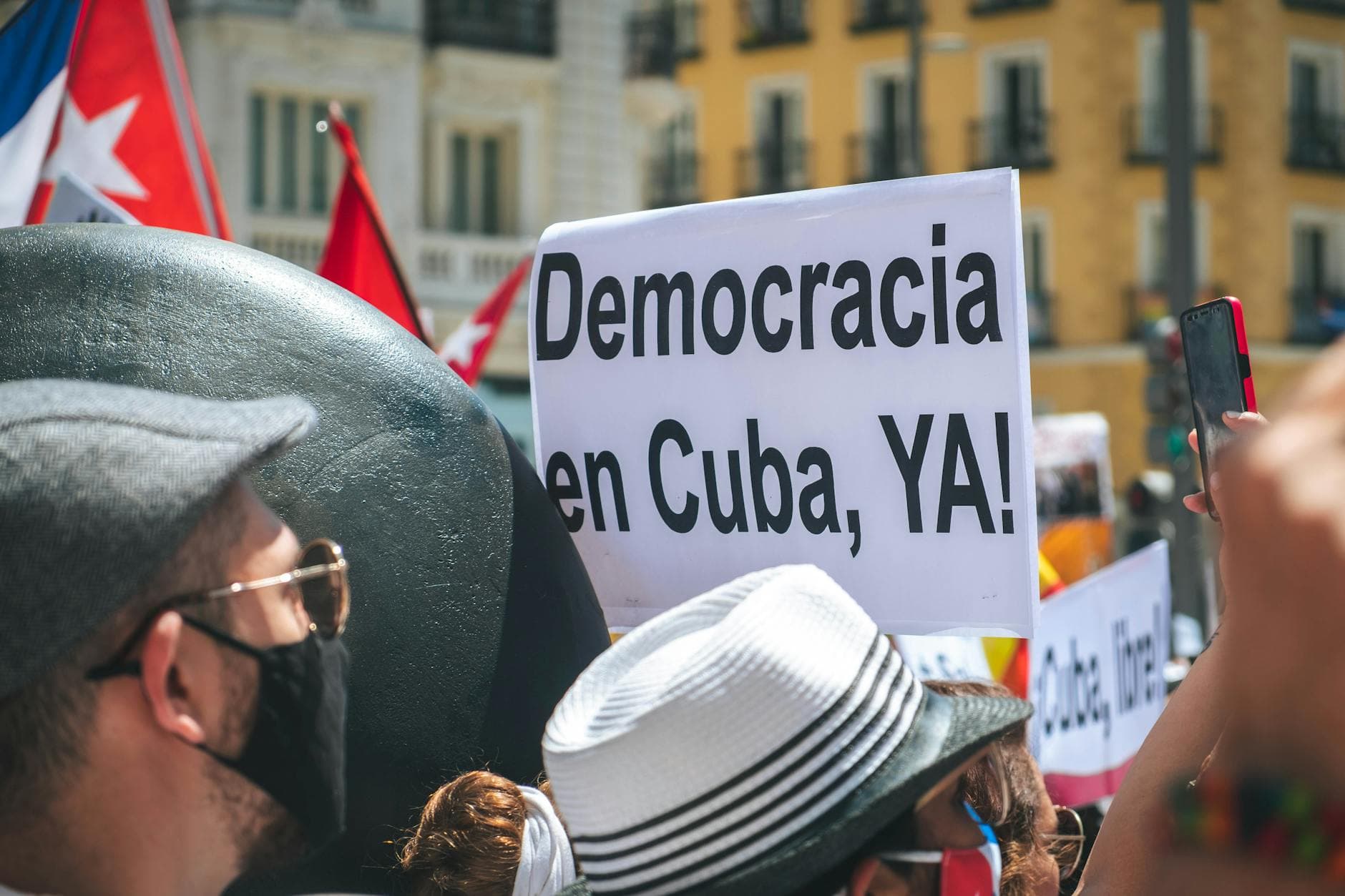
The new push against Cuba is loud enough to feel like a turning point. The United States announced murder charges against former Cuban President Raúl Castro on May 20, Trump called Cuba “a failed country” on May 21 and said it does not have much, and a pro-government rally filled Havana on May 22 with a portrait of Raúl Castro in the crowd. At the same time, the administration has paired threats, expanded sanctions and a larger U.S. military presence in the Caribbean, while openly trying to apply lessons from its January operation against Nicolás Maduro in Venezuela.
That is exactly why the comparison matters. Washington has shown it believes hard pressure can bend a hostile government into collapse or transition. Cuba, though, is built differently, and that difference is the whole story.
No obvious successor, no easy handoff
The biggest structural gap is succession. In Venezuela, when the U.S. removed Maduro in the January 2026 operation, then Vice President Delcy Rodríguez was already in place to serve as acting president. Cuba has no comparable substitute waiting in the wings for Miguel Díaz-Canel or for the older Castro generation.
That matters because a sudden leadership vacuum does not automatically produce change. On the island, analysts say the security apparatus has systematically dismantled alternative power centers, which makes a clean transition less likely to emerge from outside pressure alone. Instead of a ready-made replacement, Cuba has a system built to prevent one.
State control in Cuba is tighter, not looser
Cuba’s political machine is not identical to Venezuela’s, and that difference cuts both ways. Venezuela’s crisis opened a path for a constitutional placeholder; Cuba’s system has spent decades removing the kinds of institutions and figures that could step into that role. The result is a state that may be more brittle in the long run, but also harder to crack in a straightforward way.
The Havana rally after the Raúl Castro charges shows the other side of that control. Even in a moment designed to inflame nationalist anger, the government still has the tools to stage visible loyalty and frame the confrontation as resistance to Washington. That does not mean the system is healthy. It means pressure alone does not guarantee a split.
Cuba does not have Venezuela’s oil cushion
The economic difference is even starker. Venezuela has oil wealth and the state company PDVSA, which once gave Caracas a built-in financial and political lever. Cuba has no such cushion. It relies heavily on imports and on state-run sectors, including tourism, which has been underperforming badly.
Tourism makes the point clearly. Cuba received about 2.2 million international tourists in 2024, down 9.6 percent from 2023, and the lowest total in nearly two decades. That came in far below the government’s original target of 3.2 million visitors, then below its revised target of 2.7 million. Even before the latest downturn, the state-run tourism industry was already lagging behind other Caribbean destinations in price and quality.
That is why outside pressure can deepen suffering without producing a neat political handoff. A country without oil revenue, with weak tourism and limited hard currency, can be squeezed hard. Squeezing it hard is not the same as forcing a replacement government into place.

Fuel shortages have turned pressure into daily pain
Reuters reported in November 2025 that Cuba’s imports of crude and fuel fell more than a third in the first 10 months of 2025 compared with the same period in 2024. The island depends heavily on imported refined products to meet demand and keep daily power cuts from becoming worse.
That is the immediate human cost of the pressure campaign and the wider economic crisis. Fewer fuel imports mean more blackouts, more transport strain and more disruption to work, food distribution and services. But even that kind of deterioration does not automatically create a Venezuela-style ending. It can just as easily produce exhaustion, paralysis and longer-term decline.
Migration changes the pressure valve
Cuba’s population crisis makes the outcome even murkier. The government has acknowledged a sharp population drop since 2020, and outside estimates point to a major emigration wave that has weakened the workforce. That is important because migration can drain the country’s pressure instead of converting it into immediate political rupture.
People leaving in large numbers can hollow out the economy, reduce labor and make recovery harder. They can also reduce the chance that widespread frustration turns into a unified challenge to power. In Cuba’s case, the migration valve may relieve pressure on the streets while worsening the island’s long-term collapse.
What would have to change for a Venezuela-style outcome
For Cuba to move toward a Venezuela-style outcome, the pressure would need to do more than tighten sanctions and raise costs. Three things would likely have to happen at once.
First, the top leadership would need a visible split, with no clear way to preserve continuity after Díaz-Canel or the Castro circle. Second, the security services would have to fracture or lose their loyalty, because the current apparatus is designed to block alternate power centers. Third, economic pain would need to translate into an internal political alternative, not just more shortages, migration and despair.
Without those shifts, the most likely result is not a clean collapse. It is a long, punishing squeeze that makes life harder for ordinary Cubans while leaving Washington with no obvious endpoint.
Trump’s Cuba campaign may be borrowing from the Venezuela playbook, but the island does not have Venezuela’s succession line, its oil buffer or its same crack in the system. That is why the current pressure can be severe and still fall short of the collapse Washington seems to imagine.
This article was produced by Prism’s automated news system from verified source data, official records, and press releases, then run through automated quality and moderation checks before publishing. The system is built and supervised by the people who set the standards it runs under. Read our full AI policy.
Did this article answer your question?