U.S. exports to Cuba surge despite Trump sanctions campaign
U.S. exports to Cuba nearly tripled by mid-May even as sanctions tightened, with fuel, food and vehicles still moving through private-sector loopholes.
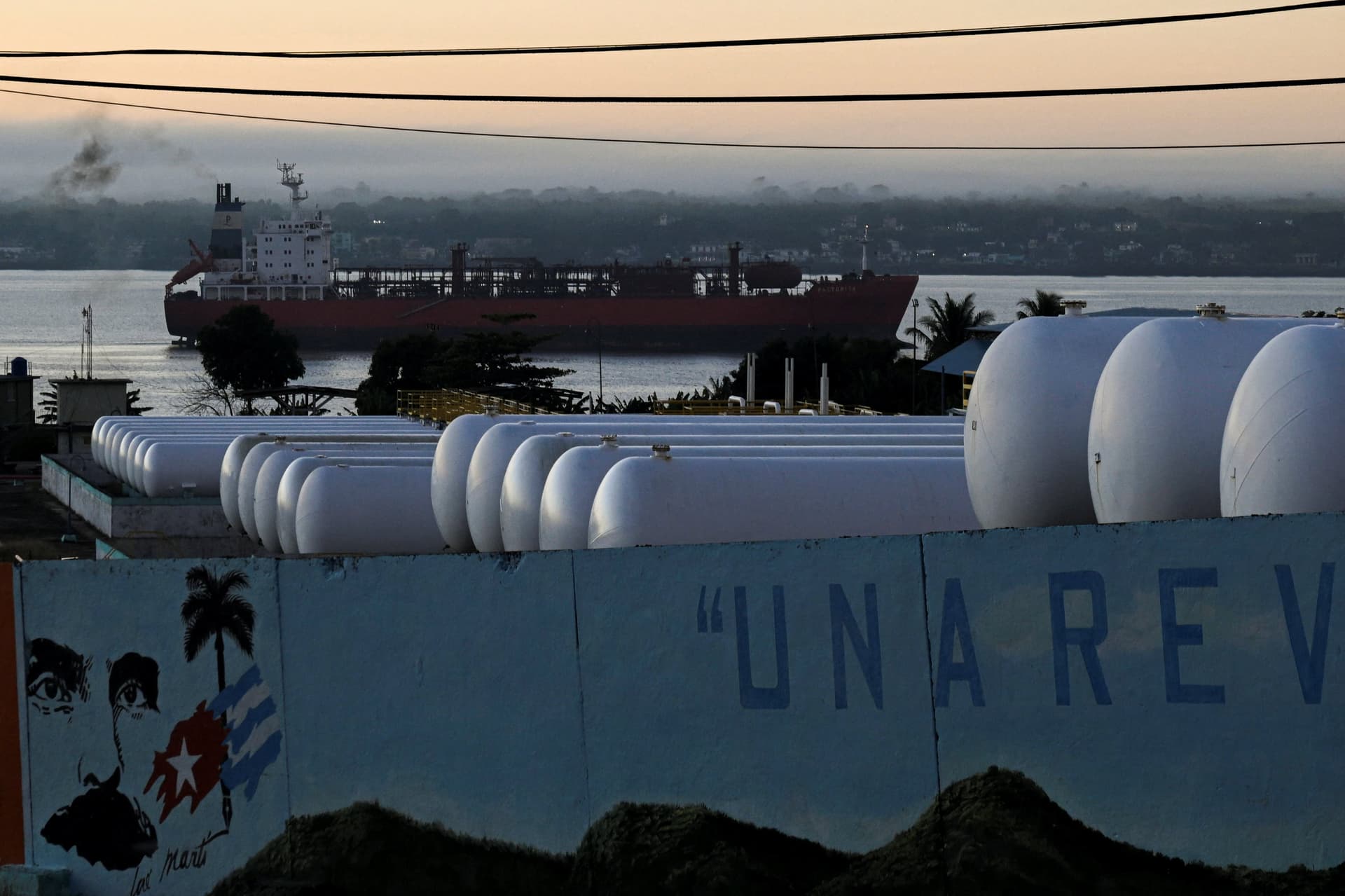
U.S. exports to Cuba have surged this year even as Washington has stepped up its sanctions campaign, exposing a sharp gap between the rhetoric of isolation and the goods still reaching the island. Trade data show shipments through mid-May were almost triple the level seen in all of 2025, with fuel leading the jump and private companies also moving appliances, furniture, food and vehicles into Cuba.
The pattern is not just a statistical blip. Sixty-one container ships carrying a range of products imported by private companies had already discharged in Cuba by this point in 2026, most of them at Mariel. Fuel has been especially important: about 30,000 barrels had gone to Cuba’s private sector since early February, keeping at least one commercial channel open even as the government in Havana has faced an intensifying squeeze.

That squeeze has deepened fast. On June 11, Secretary of State Marco Rubio announced sanctions on Cuba’s state-owned oil and gas company, CUPET, under Executive Order 14404. The order, issued on May 1 and published in the Federal Register on May 7, broadened sanctionable conduct to foreign actors operating in Cuba’s energy, defense, metals and mining, financial services and security sectors, and authorized blocked property for people materially assisting the Cuban government.
At the same time, the practical effect on daily life in Cuba is severe. The United Nations said daily blackouts were regularly exceeding 20 hours by mid-May. It said essential medicines were available at about 30 percent of normal supply, infant mortality had risen to 9.9 per 1,000 births, childhood cancer survival had fallen from 85 percent to 65 percent, and fuel shortages had helped drive a 60 percent drop in food production. More than 2,900 metric tonnes of humanitarian food cargo were affected after shipping firms suspended services.
That is why the trade numbers matter so much. A Florida oil trading house even shelved plans for what would have been the largest U.S. fuel shipment to Cuba since 1960 after the pressure campaign intensified. Yet the continued flow of fuel, food and consumer goods shows that Cuba policy is not operating as a clean embargo. It is operating as a split system, one that is trying to choke off state-linked energy flows while still leaving enough room for private-sector trade to slip through the cracks.
This article was produced by Prism’s automated news system from verified source data, official records, and press releases, then run through automated quality and moderation checks before publishing. The system is built and supervised by the people who set the standards it runs under. Read our full AI policy.
Did this article answer your question?