U.S. intelligence says Cuba has more than 300 military drones
U.S. intelligence said Cuba had more than 300 drones, but officials saw no imminent attack, even as Guantánamo and Key West entered the threat narrative.
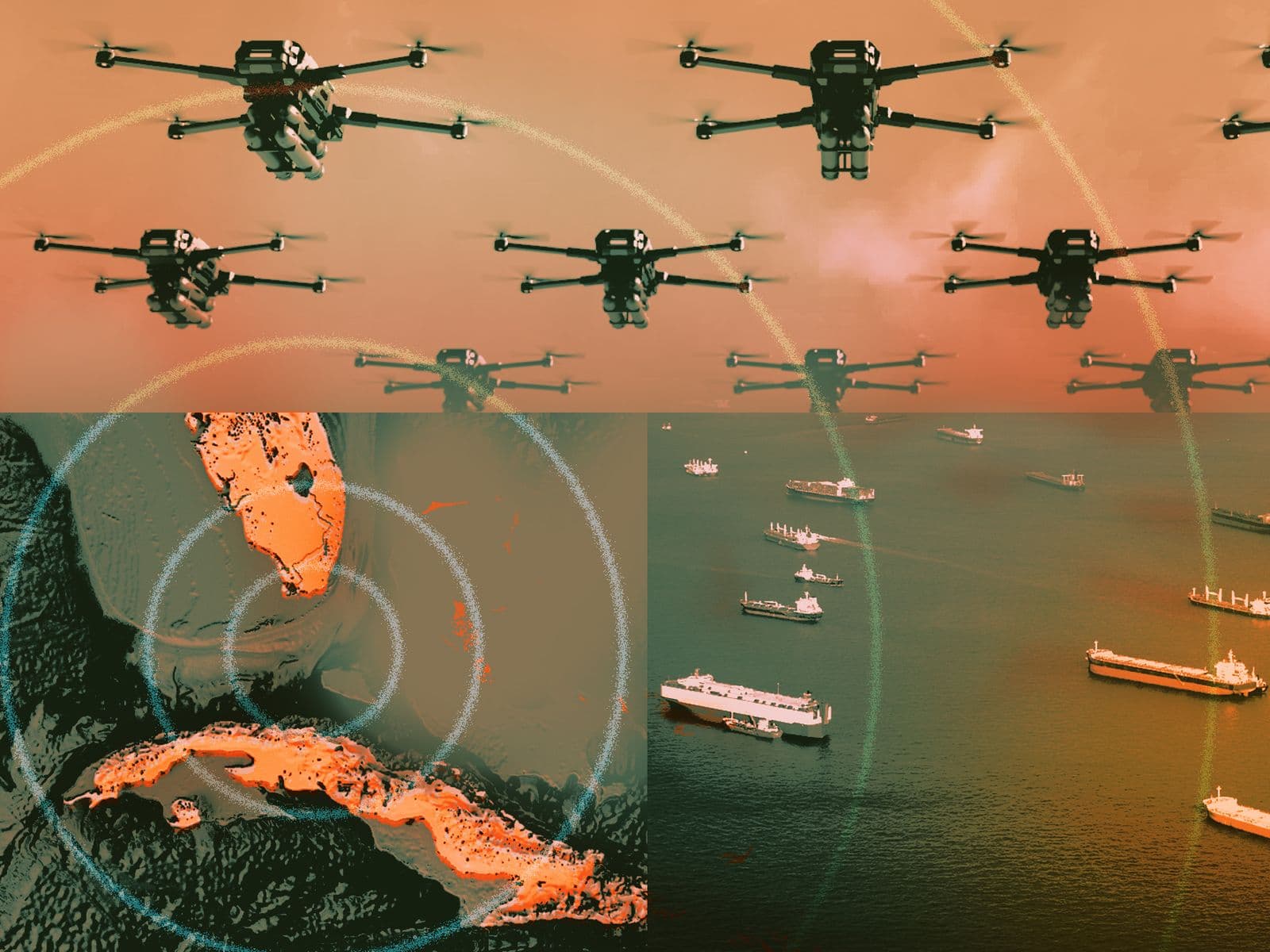
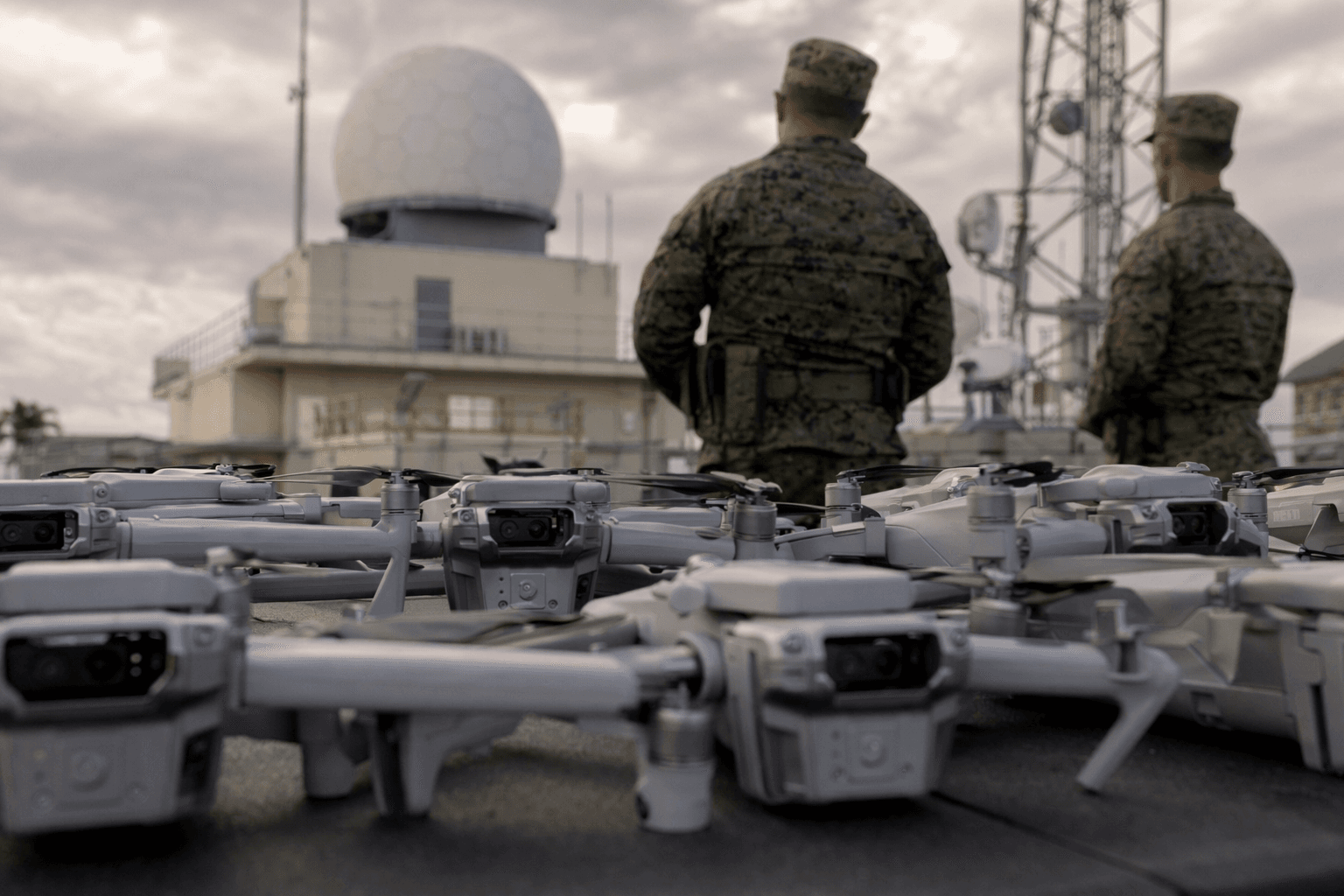
More than 300 military drones sat at the center of the latest U.S.-Cuba scare, but the hard evidence on intent was thinner than the rhetoric around it. U.S. intelligence assessed that Cuba had acquired the drones and had discussed possible uses against Guantánamo Bay, U.S. military vessels, and possibly Key West, Florida, about 90 miles north of Havana. The assessment cited Cuban interest in drone warfare and the presence of Iranian military advisers in Havana.
The same reporting said U.S. officials did not believe Cuba was an imminent threat or actively planning an attack. That gap between capability and intent mattered because the numbers were already being folded into a larger political fight in Washington. Axios framed a possible U.S. invasion of Cuba as the most dramatic confrontation between Washington and Havana since the 1962 missile crisis, turning a weapons claim into a test of how far the Trump administration was willing to push its Cuba policy.
Havana answered by going on offense. Cuban Foreign Minister Bruno Rodríguez accused the United States of fabricating a fraudulent case to justify sanctions and possible military intervention, and Cuban officials said Cuba neither threatened nor desired war. Reuters reported that Cuba’s top officials blasted the growing litany of U.S. statements and threats of military action against the island as dangerous, underscoring how quickly the drone story had become part of a wider escalation.
That escalation was already underway. The Trump administration announced Cuba-related sanctions on May 7, 2026, targeting entities including GAESA. The U.S. Department of State said President Trump’s Executive Order 14404 of May 1, 2026, designated GAESA, while also pointing to the longstanding U.S. economic embargo on Cuba, which was proclaimed in February 1962. In that climate, the drone assessment did more than raise alarms about hardware. It widened the space for threat inflation.
What remained proved was the existence of a reported Cuban drone buildup and a U.S. intelligence assessment about possible uses. What remained unverified was the leap from that buildup to an active attack plan. Around Guantánamo, U.S. vessels, and even Key West, that distinction was not academic; it was the line between deterrence and a new round of pressure that could move much farther than the evidence could carry.
This article was produced by Prism’s automated news system from verified source data, official records, and press releases, then run through automated quality and moderation checks before publishing. The system is built and supervised by the people who set the standards it runs under. Read our full AI policy.
Did this article answer your question?