U.S. sanctions Cuba oil company CUPET, deepening energy crisis
Washington has sanctioned CUPET, Cuba’s state oil firm, threatening to worsen blackouts, transport breakdowns and fuel-driven shortages across the island.
Washington’s latest move hits the heart of Cuba’s energy system: the U.S. Treasury has sanctioned CUPET, the state-owned oil and gas company that helps keep the island’s buses, generators, hospitals and food deliveries moving. The action freezes any U.S.-based assets tied to CUPET and generally bars Americans from doing business with it, just as fuel shortages are already feeding blackouts and daily disruption.
The designation lands at a fragile moment for Cuba, where every interruption in fuel supply ripples outward fast. Fewer fuel options mean more power cuts, more trouble pumping water, more transport bottlenecks and more pressure on businesses and hospitals. In practical terms, the sanction reaches far beyond an office in Havana or a balance sheet in Washington; it touches the machinery that keeps neighborhoods lit, bread delivered and workers able to get to their jobs.
CUPET was targeted for operating in Cuba’s energy sector, a sign that the U.S. is using the sanctions system to tighten pressure on the island’s most vulnerable choke points. The move also deepens the broader effort to squeeze the Cuban economy through fuel restrictions and financial barriers, making it harder for the island to route around the embargo or find reliable supply lines. Any private or foreign actors hoping to move fuel into Cuba now face even steeper risks.
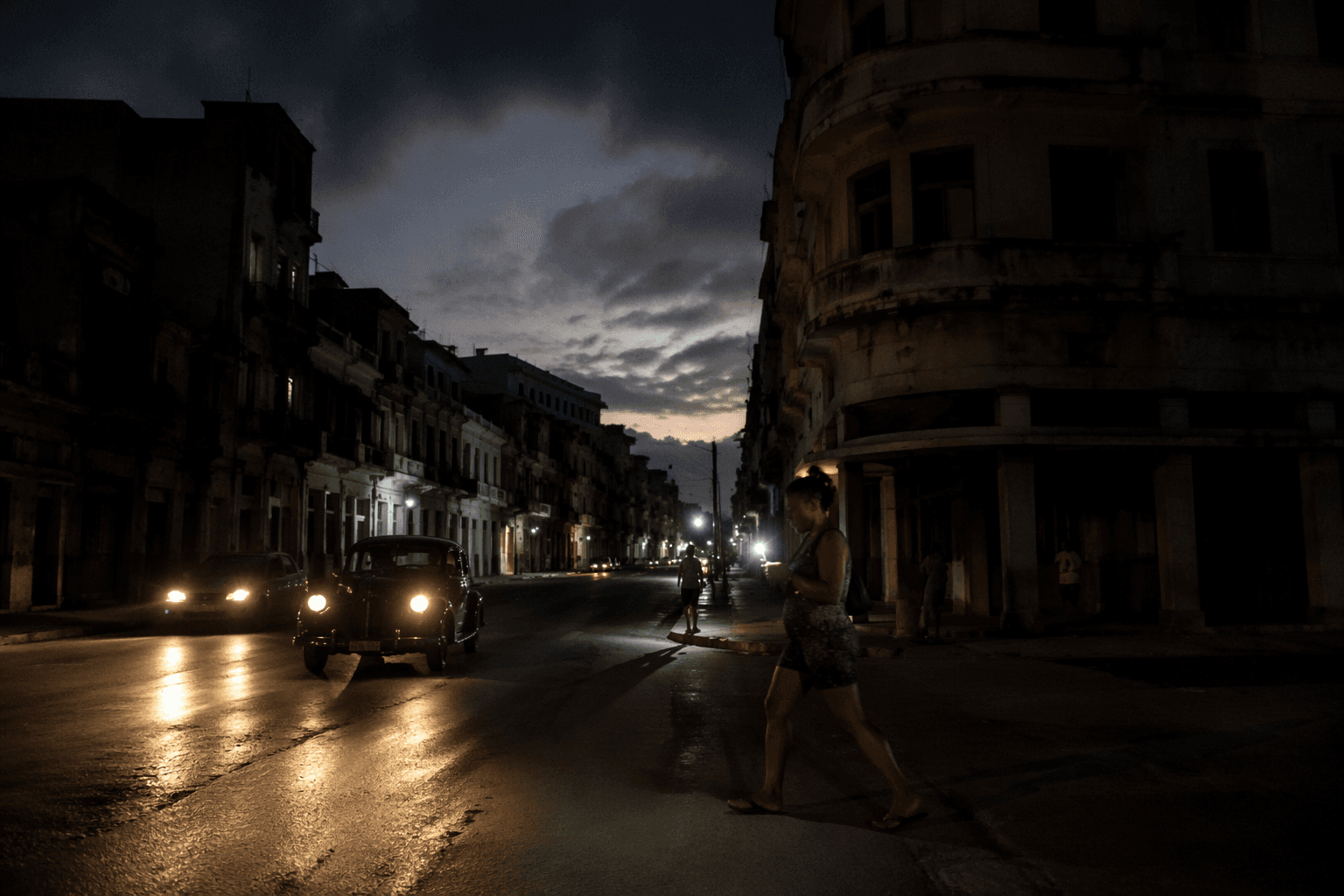
For ordinary Cubans, the timing is what makes the sanction feel immediate. Blackouts are no longer just an inconvenience when fuel runs short. They can stop water pumps, slow hospital backup systems and throw food distribution off schedule. Transportation suffers next, with fewer buses and longer waits, and the shortages spread from there into daily life, where even a routine trip across town can become uncertain.
The message from Washington is clear: CUPET is now part of the pressure campaign, and the consequences are likely to be felt first in Cuba’s neighborhoods, not in diplomatic statements. As the island’s energy crisis tightens, the sanctions make an already strained system even more brittle, with the next blackout or fuel delay carrying a heavier cost.
This article was produced by Prism’s automated news system from verified source data, official records, and press releases, then run through automated quality and moderation checks before publishing. The system is built and supervised by the people who set the standards it runs under. Read our full AI policy.
Did this article answer your question?