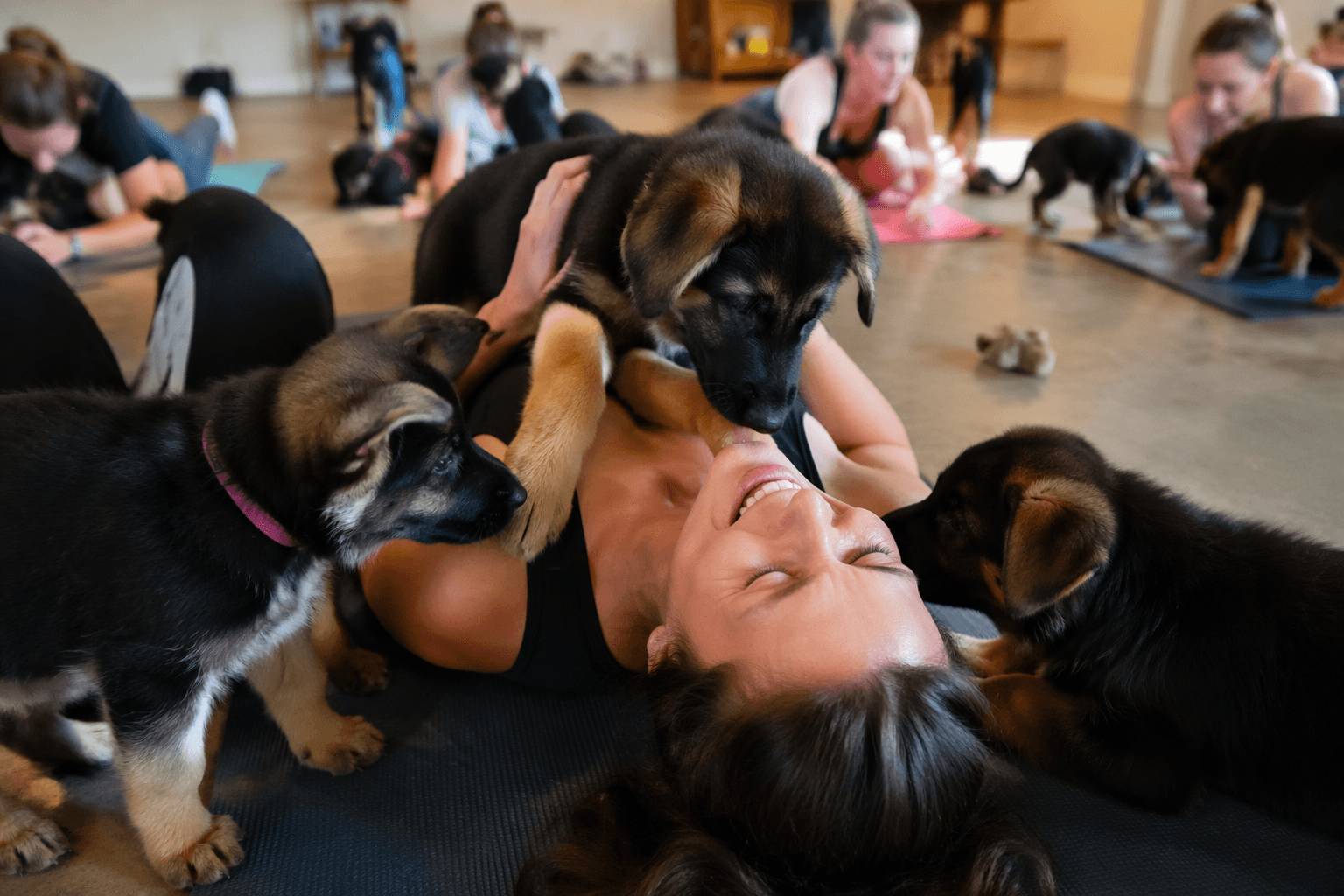
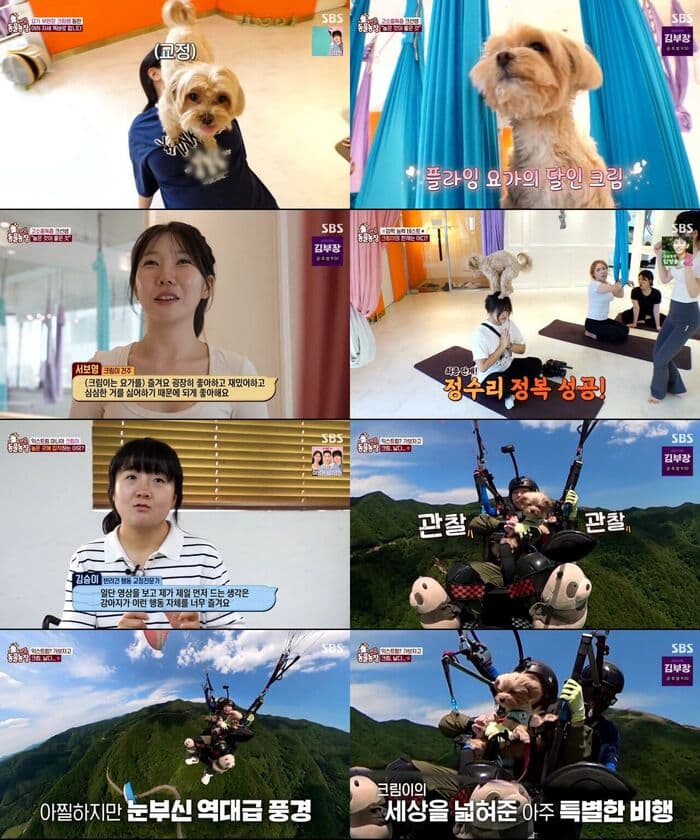
AKC Guide Recommends Doga for Gentle Bonding and Low-Impact Exercise
AKC guidance highlights doga as a gentle, low-impact way to bond and exercise with dogs, useful for owners seeking calm, enrichment-based activities suited to a dog's temperament and fitness.
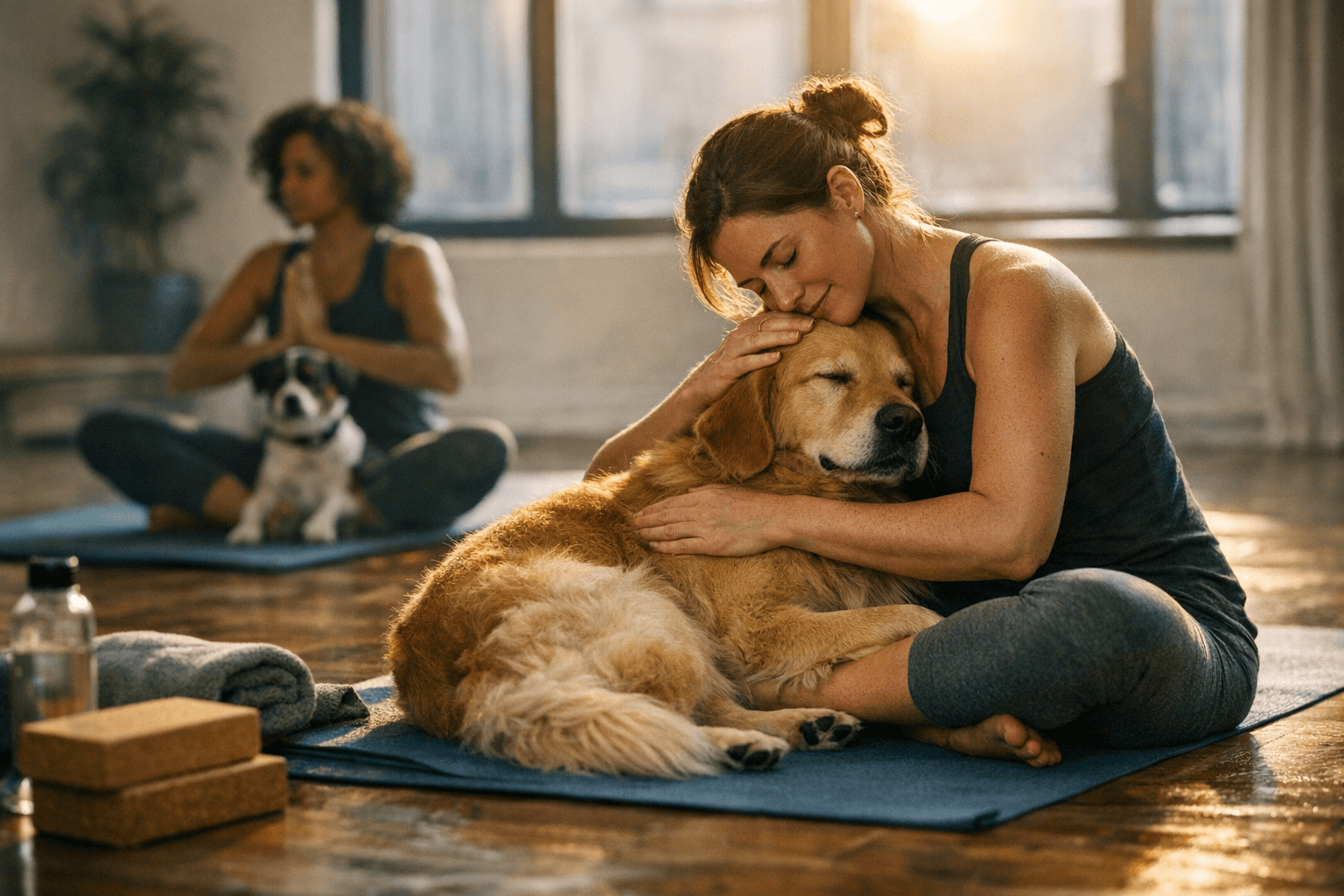
Doga is presented as a gentle, bonding activity that can improve owner flexibility while offering calm, social interactions for dogs. The AKC guide places doga alongside other enrichment-based options such as agility, hiking, dog sports, and dancing with your dog, and emphasizes selecting activities that match a dog's temperament and fitness level.
The practical value is straightforward: doga provides a low-pressure, low-impact entry point for owners who want to move with their dog without high-intensity exercise. For older owners, people recovering from injury, or dogs with lower endurance, doga’s focus on stretching, controlled movement, and calm handling makes it an accessible choice. For high-energy dogs or competitive sport dogs, the guide frames doga as one option among many enrichment tools rather than a replacement for active training or agility work.
Safety and welfare are central. The AKC frames its guidance through a breed- and welfare-focused lens, encouraging owners to prioritize a dog’s comfort and natural disposition. That means choosing poses and session length that suit a particular dog’s mobility and stress threshold, and treating doga as a low-pressure social interaction that supports calmness rather than performance. The guidance also situates doga within a spectrum of activities, helping owners compare the demands of hiking or dog sports with the slower pace and connective emphasis of doga.
Community relevance is clear for dog yoga practitioners and class organizers. In-studio doga instructors can highlight the activity’s role in promoting owner flexibility and easing dogs into calm social settings. Home practitioners can use doga as a foundation practice to strengthen handler-dog communication before stepping into higher-impact sports. Doga also serves as a practical tool for socialization for dogs that do well with gentle contact and quiet group settings.
For readers ready to try doga, start small and keep sessions calm and predictable. Focus on movement that promotes connection and stretching rather than complex poses. Match the pace to your dog’s fitness and temperament and consider doga as part of a broader enrichment plan that might include short hikes, basic sports drills, or playful dance sessions when appropriate.
This guidance reframes doga from a novelty to a practical, welfare-minded option: it’s a low-impact way to stretch, bond, and socialize that complements more active pursuits. Expect doga to remain a useful entry point for owners seeking connection and safe movement with their dogs, and consider it one of several tools to build a balanced, enjoyable routine.
This article was produced by Prism’s automated news system from verified source data, official records, and press releases, then run through automated quality and moderation checks before publishing. The system is built and supervised by the people who set the standards it runs under. Read our full AI policy.
Did this article answer your question?