BringFido Guide Shows How Doga Strengthens Bonds Between Dogs and Owners
Start with the dog you already have, not a perfect pose. BringFido’s doga guide shows how a calmer pace, simple modifications, and shared breathing can turn mat time into real bonding.
Start with the gentlest version of the pose
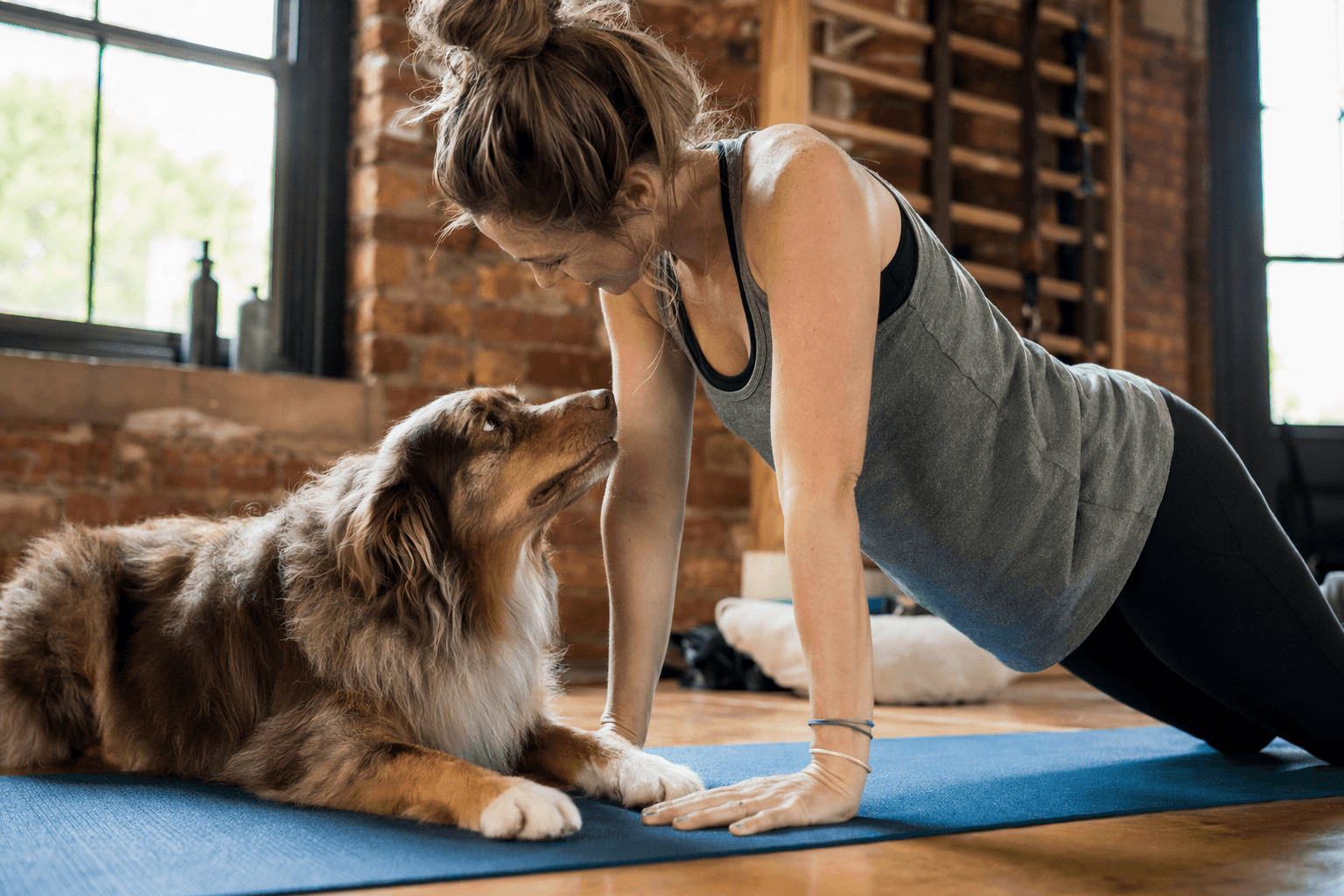
The safest way to begin doga tonight is to make the session easier, shorter, and looser than a human yoga class. BringFido’s guide frames doga as yoga with your dog, not a performance, and that matters because the point is shared calm, not precision. If your dog is small, older, excitable, or easily distracted, the answer is not to push for a “real” pose. It is to keep the dog near you, let them settle beside the mat, and treat every calm pause as part of the practice.
That is the core reason doga feels so approachable. The guide makes clear that dogs do not need to be highly trained or perfectly cooperative to take part. Even when they are not actively “doing” anything, they can still pick up on their owner’s energy, which is why slow breathing and a relaxed tone are so central to the experience. In other words, the first modification is not physical. It is emotional.
What doga actually is
Doga is exactly what it sounds like: yoga with your dog. But the BringFido guide goes beyond the novelty and treats it as a bonding ritual that can benefit both species when it is approached with patience. The practice is built around the idea that time on the mat can be calm, connected, and low-pressure, especially when the dog is allowed to participate at its own comfort level.
That framing is what makes doga useful for first-timers. You do not need a special canine routine, and you do not need an athletic dog to “keep up.” Instead, you build the session around the relationship you already have, using movement, breath, and closeness to create a shared rhythm. For many owners, that is the real appeal: a simple way to slow down together without turning the dog into a prop.
How to adapt the session to different dogs
The most practical value in the guide is its emphasis on modification. Different dogs need different entry points, and the easiest way to make doga work is to match the session to your dog’s size, age, and attention span. A bigger dog may be happiest lying near the mat while you move through a few easy stretches. A smaller dog may prefer being held briefly, then set down beside you. An older dog may do best simply sharing the space and resting while you breathe and move around them.
A good beginner session can stay very simple:
- Keep the mat in a quiet, familiar area
- Let your dog approach the mat instead of placing them on it
- Use soft voice cues and slow movements
- Stick to easy stretches rather than deep or complicated poses
- Stop if your dog looks restless, stressed, or overly keyed up
The guide’s larger point is that doga should never feel like forcing an animal into human yoga positions. The practice works best when the dog is included gently, not manipulated. That makes it useful for a wide range of households, from people with energetic young dogs to those with senior pets who just want to be near their person.
Why the bond is the real benefit
The biggest reason people try doga is the human-dog bond, and BringFido leans into that connection rather than treating doga as a fitness trend. The shared time matters because it creates a routine built on attention and calm, two things many dogs respond to quickly. When the owner slows down, the dog often follows that lead, which can make the whole room feel quieter.
That is also why the activity has staying power. It is not dependent on fancy equipment or advanced training. It is a simple, repeatable way to carve out a few intentional minutes with your dog, which can be especially appealing in a country where the dog-owning population keeps growing. The American Veterinary Medical Association estimates there were about 89.7 million pet dogs in the United States in 2024, up from 52.9 million in 1996, and that long climb helps explain why dog-centered wellness ideas keep finding an audience.
Why the conversation around dog yoga is more complicated now
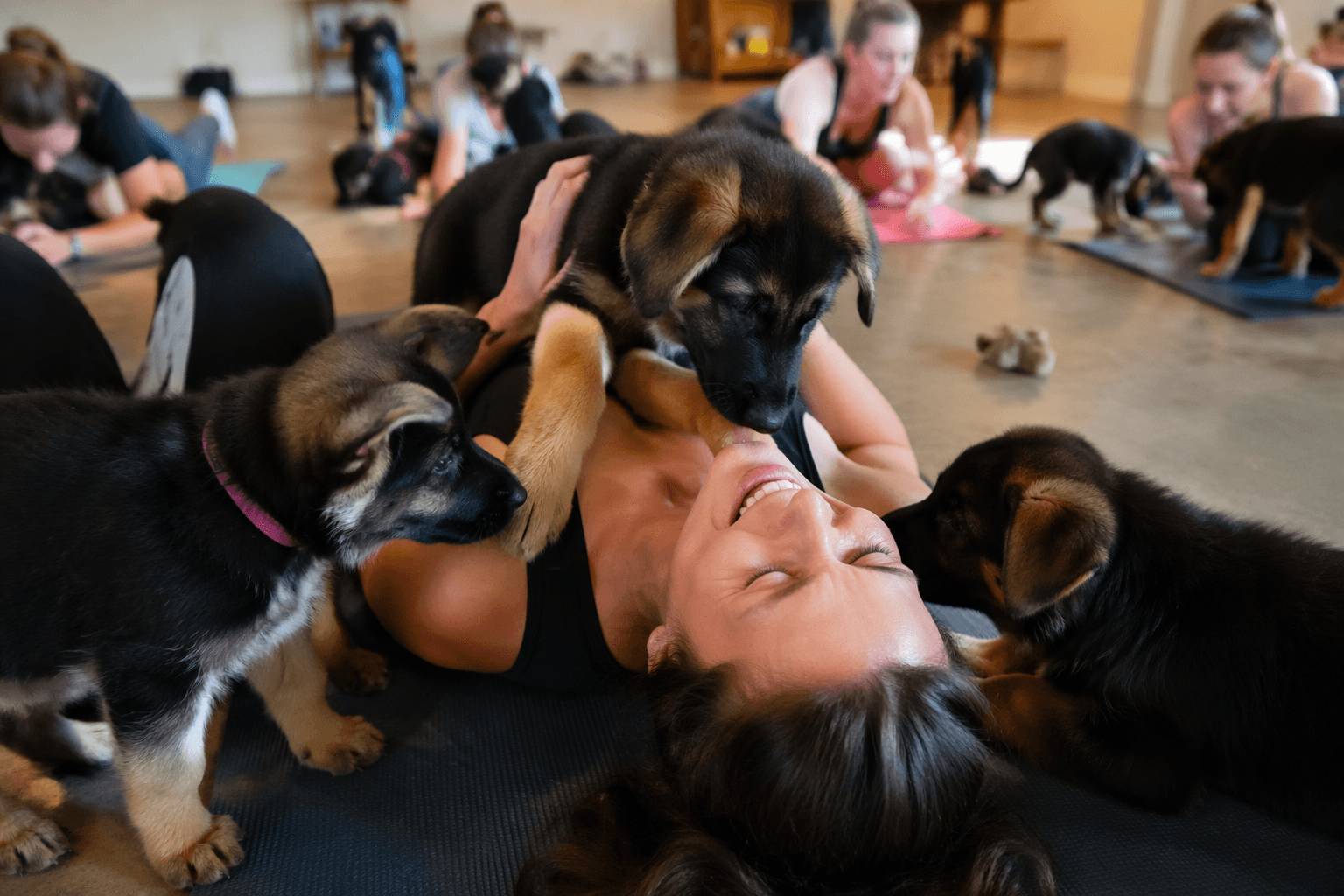
Doga may be gentle, but the broader dog-yoga trend is not without controversy. Concerns have grown most sharply around puppy yoga, where veterinary and animal-welfare groups have warned that the setup can put stress on young animals. ITV News reported renewed pressure to ban puppy yoga after an investigation into the trend, and RSPCA Australia says animal yoga can raise serious welfare concerns.
That distinction matters for anyone trying doga for the first time. A calm, home-based session with your own dog is a different thing from a class built around handling lots of young animals. The welfare concerns are one reason many people are drawn back to the original version of doga: one dog, one person, one mat, and a shared pace that respects the animal rather than exploiting its cuteness.
Suzi Teitelman and the origin of modern doga
The modern version of the practice is widely tied to Suzi Teitelman, a Florida-based instructor often described as the founder of Doga. Multiple profiles trace the start of the practice to New York City in 2001, when her cocker spaniel, Coali, began hovering near her yoga mat during at-home sessions. That origin story still captures the spirit of the practice today: the dog was not trained to become a yoga partner. The dog simply wanted to be part of the moment.
Teitelman’s influence helps explain why doga is still understood as a wellness practice rather than a stunt. The idea was never to make dogs perform. It was to make room for them. That subtle shift, from activity to companionship, is what keeps the practice accessible to beginners and appealing to people who want something calmer than a workout.
The practical takeaway for tonight
If you want to try doga tonight, keep the goal modest: share the mat, keep the room quiet, and let your dog set the tone. Use modified poses, stay close to the floor, and remember that your dog does not need to “do” much for the session to count. The best doga looks less like a class and more like a calm reset you happen to take with your best four-legged companion.
That is why BringFido’s guide still works so well. It gives owners permission to keep things simple, which is often the easiest way to turn a passing novelty into a habit worth repeating.
This article was produced by Prism’s automated news system from verified source data, official records, and press releases, then run through automated quality and moderation checks before publishing. The system is built and supervised by the people who set the standards it runs under. Read our full AI policy.
Did this article answer your question?