DogADog Founder Suzi Teitelman Shares Safety-First Doga Guidance
Suzi Teitelman, founder of DogADog, emphasizes safety-first doga guidance that helps owners adapt yoga to include dogs while prioritizing comfort, vaccinations, and bonding.

Suzi Teitelman, founder of DogADog, frames doga as a safety-first, bonding-centered practice and offers clear guidance for owners and class organizers who want to include dogs in yoga. DogADog is one of the earliest and best-known resources tied to the modern doga movement, and Teitelman’s approach stresses slow progression, canine comfort, and realistic expectations.
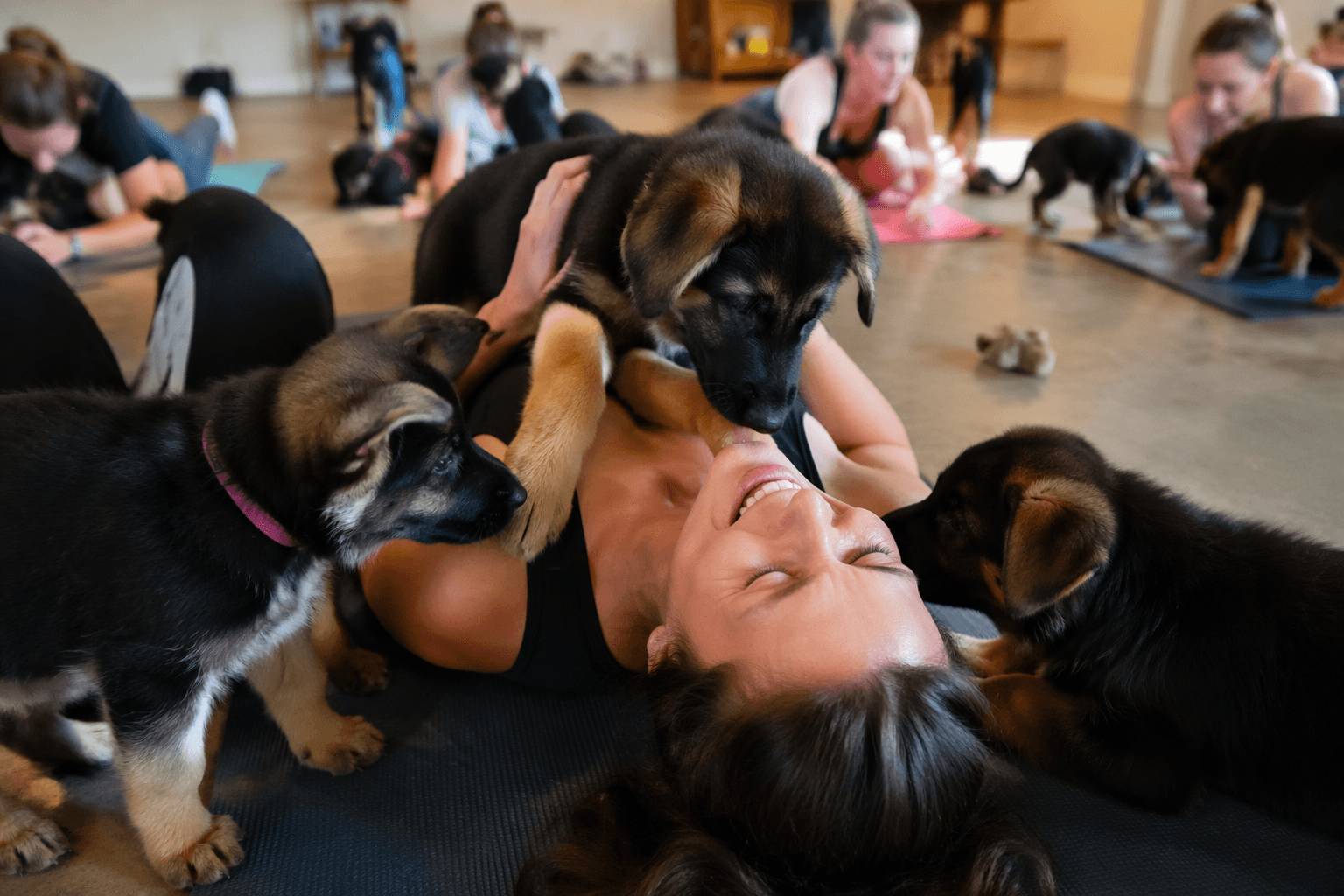
Teitelman’s core guidance is straightforward: move slowly, prioritize the dog’s comfort, avoid forcing stretches, and treat doga primarily as a mindfulness and bonding session rather than canine athletic training. For owners, that means adapting poses so the dog can opt in and opt out. For instructors, that means designing class flow around canine cues and offering modifications that keep people and pups safe and relaxed.
Practical safety steps matter for every doga session. Ensure dogs are current on vaccinations and are comfortable around people before bringing them into group classes. Use non-slip surfaces and easy-access layouts so dogs and humans can come and go without stress. Keep class sizes small enough to monitor interactions, and schedule breaks so dogs can stand, sniff, and move freely. Watch body language closely for signs of stress - stiff tail carriage, lip licking, yawning, or avoidance - and pause or redirect when those cues appear.
Adaptations that work in community settings range from simple to subtle. Place a dog’s mat next to your own so the dog can stay nearby without being constrained. Substitute gentle massage, nose work, or short leash-free free time for more complex partner poses. Avoid pulling or stretching a dog’s limbs; instead, encourage spinal lengthening and gentle weight shifts while the dog remains comfortable. Emphasize tactile bonding and breath awareness rather than performance-based goals.
Organizers planning classes should build policies that reflect Teitelman’s safety-first ethos. Screen for vaccination records and socialization history at registration, set expectations for appropriate behavior, and offer a quiet area for dogs that need a break. Train staff and volunteer helpers to read canine signals and intervene early. Positioning classes as bonding and mindfulness experiences reduces pressure on dogs and owners and lowers the risk of injury.
DogADog’s perspective is especially valuable for hobby researchers, community class leaders, and pet owners designing home practice. Suzi Teitelman’s guidance reframes doga from a novelty into an accessible practice that prioritizes welfare and connection. For readers, the takeaway is clear: prioritize comfort, move slowly, and treat doga as a shared calm space where paws, breath, and presence matter more than perfect poses.
This article was produced by Prism’s automated news system from verified source data, official records, and press releases, then run through automated quality and moderation checks before publishing. The system is built and supervised by the people who set the standards it runs under. Read our full AI policy.
Did this article answer your question?