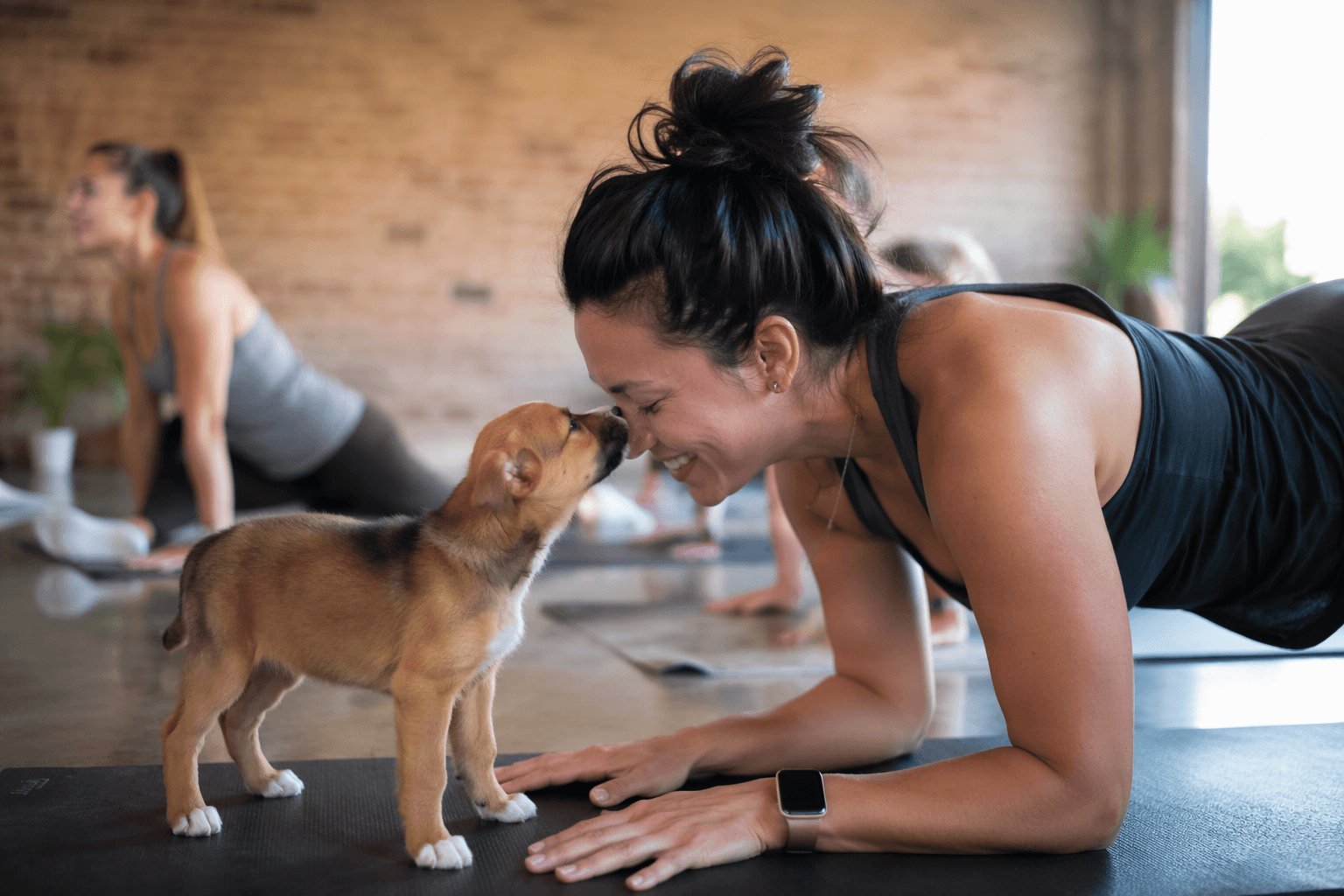
Puppy yoga FAQ shows how the trend is being packaged for buyers
Puppy yoga is being sold like an easy buy, but the best classes make the welfare case before they ever take your money.
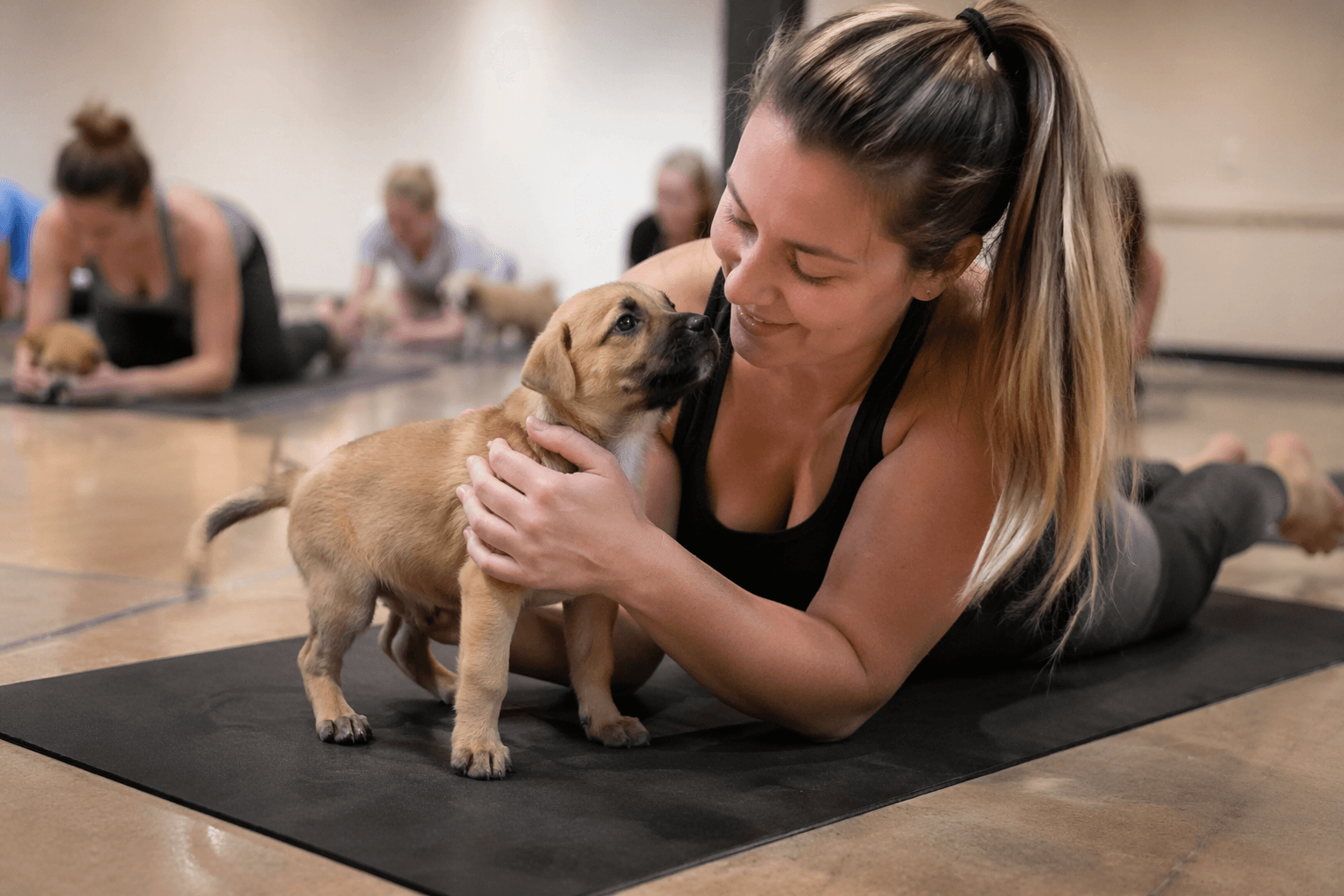
Puppy yoga has been packaged into a clean, low-friction purchase: book online, pick a session, and turn up for a brief burst of puppy playtime. The best clue to whether a class is being run well is not the yoga flow, but the welfare language around it, especially when the operator is selling private events, gift cards, and repeat bookings as if this were a standard leisure product.
What the FAQ tells buyers to expect
Positive Puppy Yoga’s FAQ shows how polished the format has become. Sessions are organized with trusted local breeders and animal rescues, and the puppies are brought in for a few hours of play, socialization, and gentle interaction before they go home again. That framing matters because it treats the animals as temporary participants in a tightly managed session, not as props for an all-day crowd.
The same page also makes the experience look adaptable for buyers. Private sessions can be arranged for birthdays, corporate wellness events, hen parties, family gatherings, and other group occasions, which is a strong sign that puppy yoga has moved well beyond novelty status. Gift cards push the same message even further: this is being sold as a reusable social outing, not a one-off studio experiment.
How to read the welfare claims
The main question for anyone booking is whether the class explains how it protects the puppies during the time they are on site. The American Veterinary Medical Association says puppies are most open to socialization between 3 and 14 weeks of age, and that positive, varied experiences can help prevent fearful responses and later behavior problems. That means puppy yoga can fit inside a real developmental window, but only if the handling is carefully controlled.
That is where the details matter. A responsible operator should be clear about the puppies’ age range, how long they stay, how many people they meet, and how rest, water, feeding, and quiet time are protected. The AVMA also warns that socialization has to be managed with disease and injury risks in mind, so any class that waves off those concerns is asking buyers to trust a marketing line instead of a plan.
Why the backlash is not just noise
The welfare debate around puppy yoga has never been abstract. In a 2023 discussion, an animal welfare scientist writing in The Conversation said these events can place animal welfare behind human wellbeing, and pointed to investigative footage from the United Kingdom showing puppies as young as six weeks old denied sleep and water. That same account argued that bad early experiences can shape dogs that grow into anxious or fearful adults.
RSPCA Australia has taken the argument further, saying puppies and kittens need long periods of uninterrupted sleep, predictable socialization, and regular feeding during early development. The organization also said the claim that animal-yoga classes socialize animals is “generally widespread and inaccurate,” which is a warning sign for buyers who hear the word socialization and assume it automatically means benefit. If a class cannot explain how it protects sleep and feeding rhythms, the wellness branding should not be enough to win trust.
What the international response says about the trend
The wider response shows just how divided this market is. In April 2024, Italy banned puppy yoga classes on animal-welfare grounds, with reporting on the health ministry decision saying animal-yoga sessions were limited to adult dogs instead. That is a stark reminder that the same experience being sold as playful and wholesome in one place can be treated as unacceptable in another.
The United Kingdom has been part of the pressure as well, especially after ITV News investigations drew attention to the issue and animal groups pushed for stronger action. When a trend produces both glossy consumer packaging and regulatory backlash, buyers need to slow down and inspect the details, not just the photos.
The breeder question matters more than the photo ops
The source of the puppies is one of the most important disclosures a well-run class should make. Positive Puppy Yoga says it works with trusted local breeders and animal rescues, which is meant to reassure buyers that the puppies are not being pushed through a questionable pipeline. That reassurance only goes so far if the operator does not explain what “trusted” means in practice, how long the puppies are away from home, and whether the animals are being moved in ways that preserve their routines.
That concern sits inside a much bigger puppy-breeding picture. The ASPCA has said there were more than 800 animal-welfare violations at USDA-licensed commercial dog breeding facilities in 2024, and that more than 250,000 dogs across the United States live in federally licensed commercial breeding facilities. For buyers, that is a reminder that any consumer event sourcing puppies from breeders needs to be read through the lens of commercialization as well as cuteness.
How to spot a well-run puppy yoga experience
A class is on firmer ground when it tells you exactly what you are buying and what the puppies are getting out of it. Before booking, look for clear answers on:
- where the puppies come from and how the breeder or rescue is vetted
- how old the puppies are and how long they stay on site
- how the class protects sleep, feeding, water, and quiet time
- whether interactions are limited, supervised, and gentle
- whether private events change the handling, timing, or number of guests
- whether gift cards and online booking come with transparent terms
That is the real filter behind the trend. The strongest puppy yoga classes are the ones that make the welfare case as carefully as they make the sales pitch, because the line between a charming social event and a poorly managed one is the same one that began the story in the first place: whether the puppies are being treated as participants or as decoration.
This article was produced by Prism’s automated news system from verified source data, official records, and press releases, then run through automated quality and moderation checks before publishing. The system is built and supervised by the people who set the standards it runs under. Read our full AI policy.
Know something we missed? Have a correction or additional information?
Submit a Tip