Puppy Yoga Workshops Turn Self-Care Into Rescue Dog Adoption Drives
Puppy yoga is shedding its novelty label, with rescue-linked workshops turning self-care into adoption, sterilisation, and vaccination support.

From novelty to intentional self-care
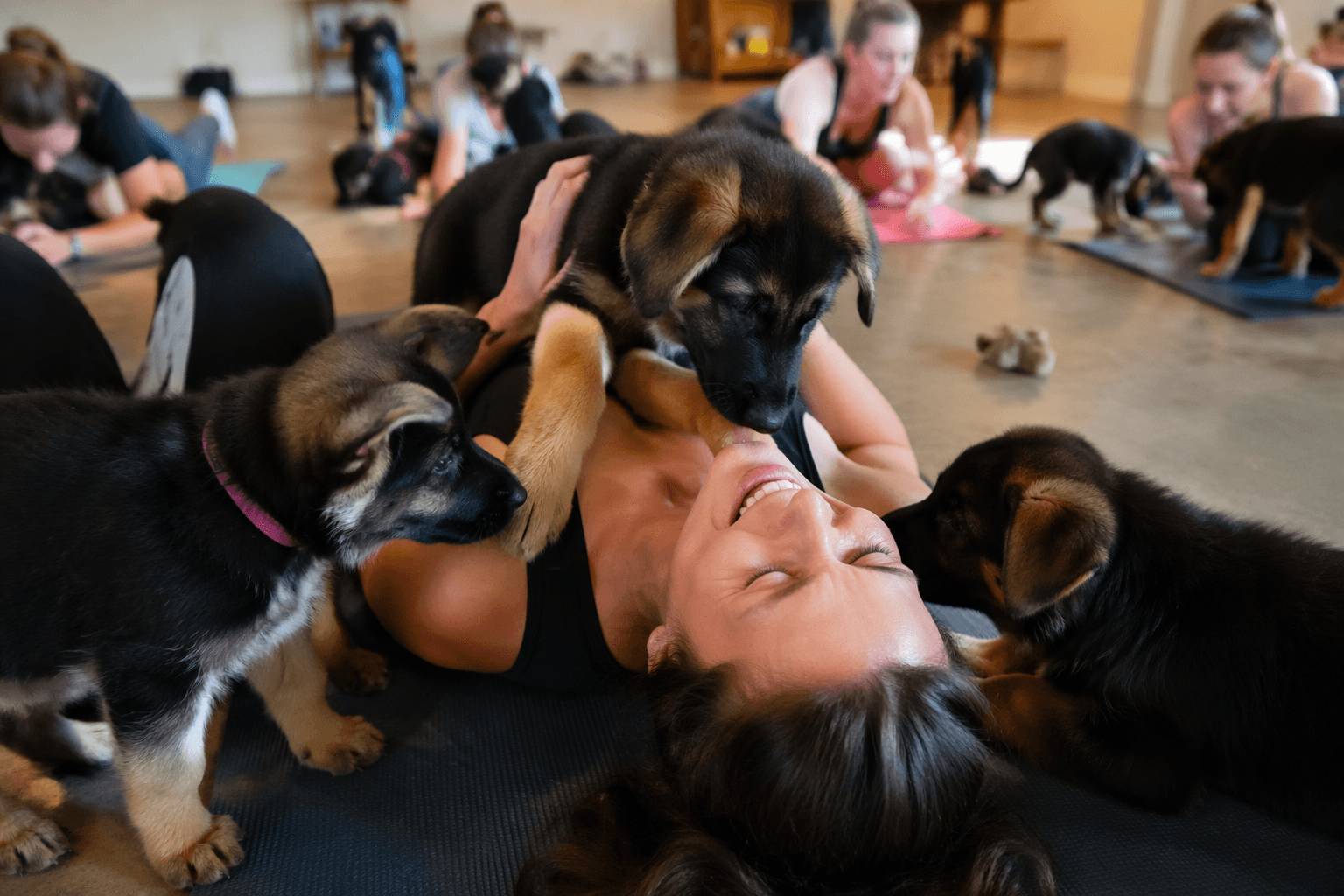
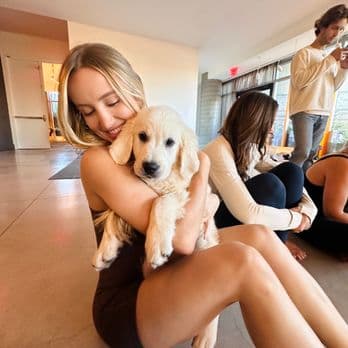
Puppy yoga is being recast as something more deliberate than a cute afternoon with animals. The newer workshop model blends guided painting or yoga with rescue puppies, and sometimes kittens, so the event is doing two jobs at once: giving participants a calming experience and helping animals move toward homes while raising money for welfare work.
That shift matters because “purpose-driven” only means something if the event produces a concrete result. In this corner of the wellness world, the strongest versions are not just passive cuddling sessions. They are structured around rescue partnerships, adoption visibility, and support for the expensive basics that keep animal welfare work alive.
What a puppy yoga workshop actually looks like
The format is flexible by design, which is part of why it has spread so quickly. Sinduja Krishnakumar, co-founder of Pawga Pets Yoga, says the goal is to highlight Indie dogs and show that breed status does not determine value or joy. She also makes the sessions intentionally low-pressure: you can do the yoga, or you can simply spend time playing with the animals.
That flexibility broadens the appeal. A traditional class can feel intimidating if you are new to yoga, but a rescue-linked session gives you a softer entry point. The experience is also built around access rather than performance, which helps explain why people who want calm, connection, and community impact keep showing up.
Pawga says it is India’s first pet yoga experience, and its events run in Chennai and Bengaluru twice a month. The puppies at those sessions are up for adoption, and they come from Blue Cross of India in Chennai and Charlie’s Animal Rescue in Bengaluru. That detail matters because it shows the model is not just themed entertainment, it is a live bridge between wellness audiences and rescue networks.
A practical way to think about the format is this:
- You are not only attending a class, you are entering a rescue-adoption environment.
- You are not required to “perform” a perfect yoga session.
- You may spend part of the time moving through poses and part of it simply interacting with the animals.
- The puppies are part of a real adoption pipeline, not a decorative backdrop.
Why the rescue link changes the value of the experience
Shivam Bamniyal, founder and CEO of Barket, says the emotional effect is visible on attendees, and that doctors and therapists have recommended the sessions to patients. That kind of interest is easy to understand when you watch how quickly people relax around young animals, but the strongest version of the case is not just emotional. These workshops can help fund sterilisation drives, 9-in-1 vaccinations, and anti-rabies campaigns, all of which are costly and often difficult for local rescue efforts to sustain.
That welfare layer is what separates a meaningful workshop from a one-off novelty. If the event helps cover public-health work and gives rescue groups more room to operate, then the self-care claim becomes more grounded. It is not just about feeling better in the moment; it is about moving money, attention, and adoption interest toward animals that need all three.
That framing also lines up with broader animal-protection messaging from groups such as PETA India and World Animal Protection, both of which connect humane treatment with wider public-health outcomes. In other words, the best puppy yoga events are not treating animal contact as a disposable luxury. They are treating it as a channel for welfare, education, and community responsibility.
Why people respond so strongly in the room
The most memorable moments in these sessions are often the quiet ones. One anecdote from the feature involves a pregnant woman who arrived anxious, only for the puppies to cluster around her and leave her feeling noticeably calmer. That kind of scene captures why puppy yoga resonates with people who want more than a quick photo opportunity.
There is also some science that helps explain the appeal. Studies of human-dog interaction have found reductions in stress measures such as cortisol, along with increases in relaxation-related responses. Broader reviews also point to increases in heart rate variability and oxytocin. That does not prove puppy yoga is a medical treatment, but it does help explain why the format feels restorative to many participants and why some clinicians see value in it.
The key point is that the experience works on more than one level. You may leave with lower stress, a lighter mood, and a better sense of connection. If the event is well designed, the animals benefit too, because the emotional lift is tied to adoption visibility and welfare funding rather than being left as a purely private moment.
Why this moment feels especially relevant now
Puppy yoga is landing in the middle of a much larger conversation in India about street and community dogs. Recent debate has emphasized science-based management, sterilisation, vaccination, and coexistence rather than emotional reactions or punitive responses. Legal and policy fights over stray-dog handling have only sharpened that conversation, which makes welfare-oriented models feel unusually timely.
This is not a brand-new trend either. PETA India has encouraged people to adopt a shelter cat or dog as a “yoga buddy” since at least 2021, and Hindustan Times covered puppy yoga-style sessions in Delhi-NCR on International Yoga Day in 2023. The 2026 version of the story shows how the format has evolved over time: what once read as a social-media-friendly novelty is now being framed much more explicitly as a rescue tool, a fundraising channel, and a public-health-adjacent community activity.
That evolution is the real takeaway. Puppy yoga is no longer just about having adorable animals in the room. It is being repositioned as a form of participation, where self-care includes helping animals find homes, supporting rescue work, and giving wellness culture a more useful public purpose.
This article was produced by Prism’s automated news system from verified source data, official records, and press releases, then run through automated quality and moderation checks before publishing. The system is built and supervised by the people who set the standards it runs under. Read our full AI policy.
Did this article answer your question?