UCalgary Medical Brigades Host Dog Yoga Fundraiser With Calgary Humane Society
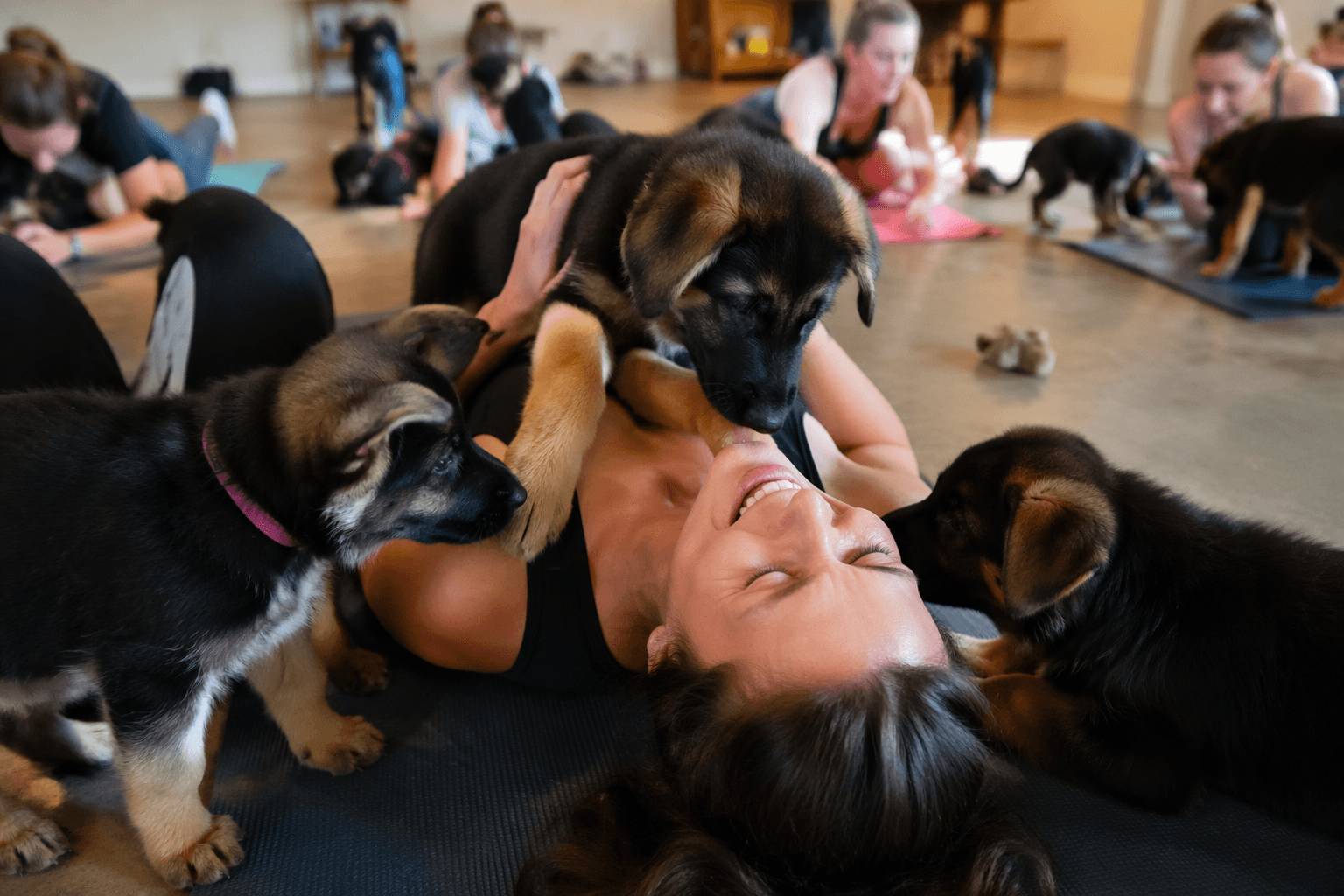
UCalgary Medical Brigades brought adoptable Calgary Humane Society dogs onto the mat for a one-hour fundraiser that doubled as shelter enrichment and direct adoption exposure.
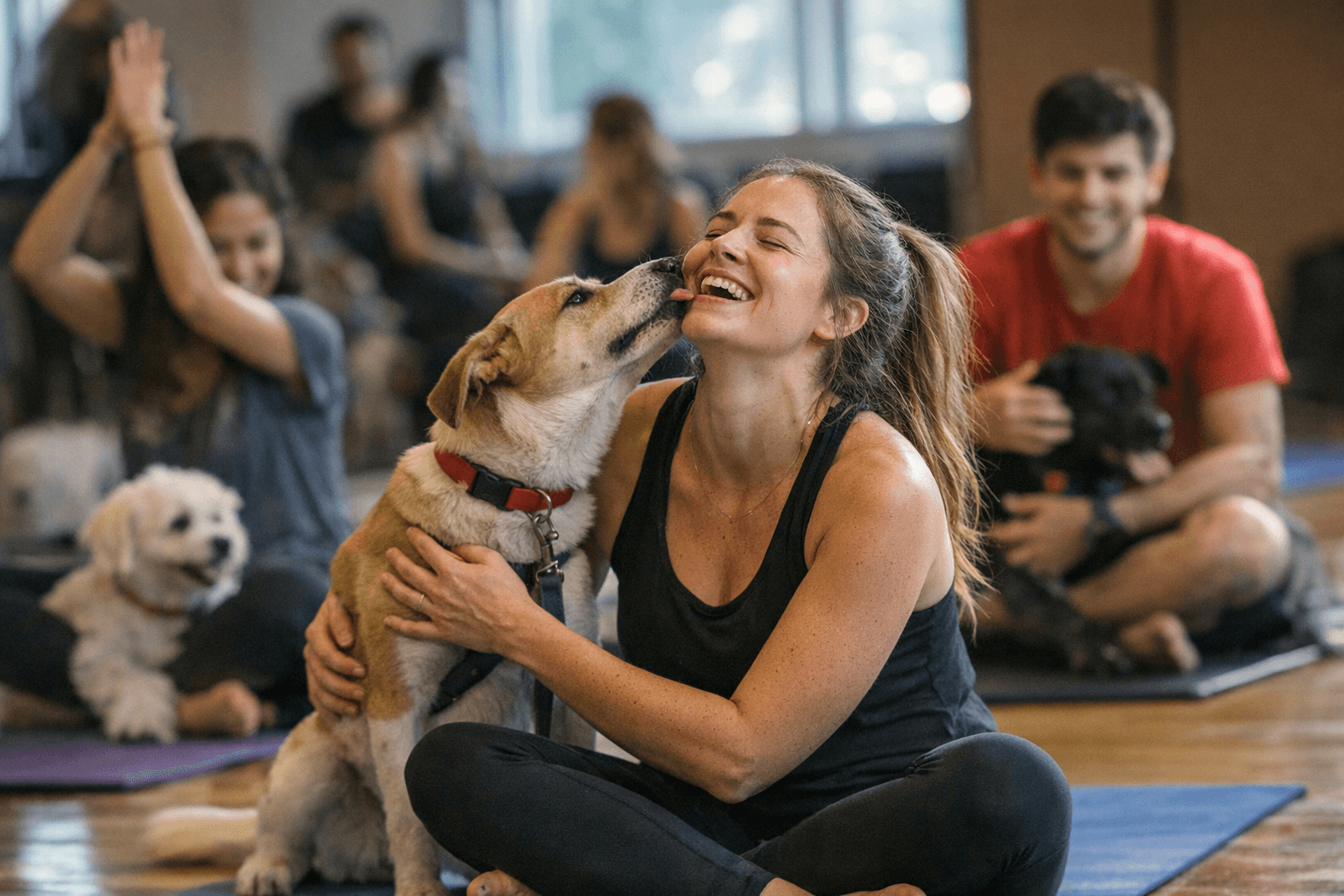
UCalgary Medical Brigades brought the Calgary Humane Society's adoptable and socialized dogs into a one-hour yoga session on Saturday, March 28, raising funds while giving shelter animals structured time outside their kennels and in front of a new audience.
The session took place at the Calgary Humane Society's facility at 4455 110 Avenue SE in Calgary, Alberta, placing participants directly inside the shelter environment and giving them an organic entry point to learn about adoption and volunteer opportunities. The beginner-friendly format welcomed students, community members, and pet-lovers regardless of yoga experience, with guided movement built around dedicated windows for attendees to meet and interact with the dogs before and after the flow. Those interaction windows are where the real shelter work happens: one-to-one contact between a person and an adoptable dog that no online listing can reproduce.
The operational framework behind the event reflects the care required to run these sessions responsibly. Organizers pre-screened animals for temperament and built in vaccination verification, a clear code of conduct for attendees, and contingency plans for any dog showing overstimulation. Capacity was capped to keep the environment calm enough for both participants and animals. Participants under 14 were required to attend with a guardian, and the listing included refund policies and check-in logistics to manage arrival flow.
For the Calgary Humane Society, the UCalgary Medical Brigades partnership hit multiple targets at once: fundraising revenue, enrichment time for shelter dogs, and direct outreach to a younger demographic that might not otherwise walk through the doors at 4455 110 Avenue SE. For the student club, the event landed squarely in the mental health and stress-relief programming space that campus organizations are actively building during demanding academic terms.
The model is straightforward to replicate. Anchor the session at the shelter itself rather than a neutral venue, pre-screen every animal for temperament, communicate capacity limits clearly before the day, and structure the class so dogs are present throughout rather than introduced as a closing moment. The before-and-after interaction time is not optional; it is the mechanism through which fundraising converts into adoption conversations and repeat visits.
This article was produced by Prism’s automated news system from verified source data, official records, and press releases, then run through automated quality and moderation checks before publishing. The system is built and supervised by the people who set the standards it runs under. Read our full AI policy.
Did this article answer your question?