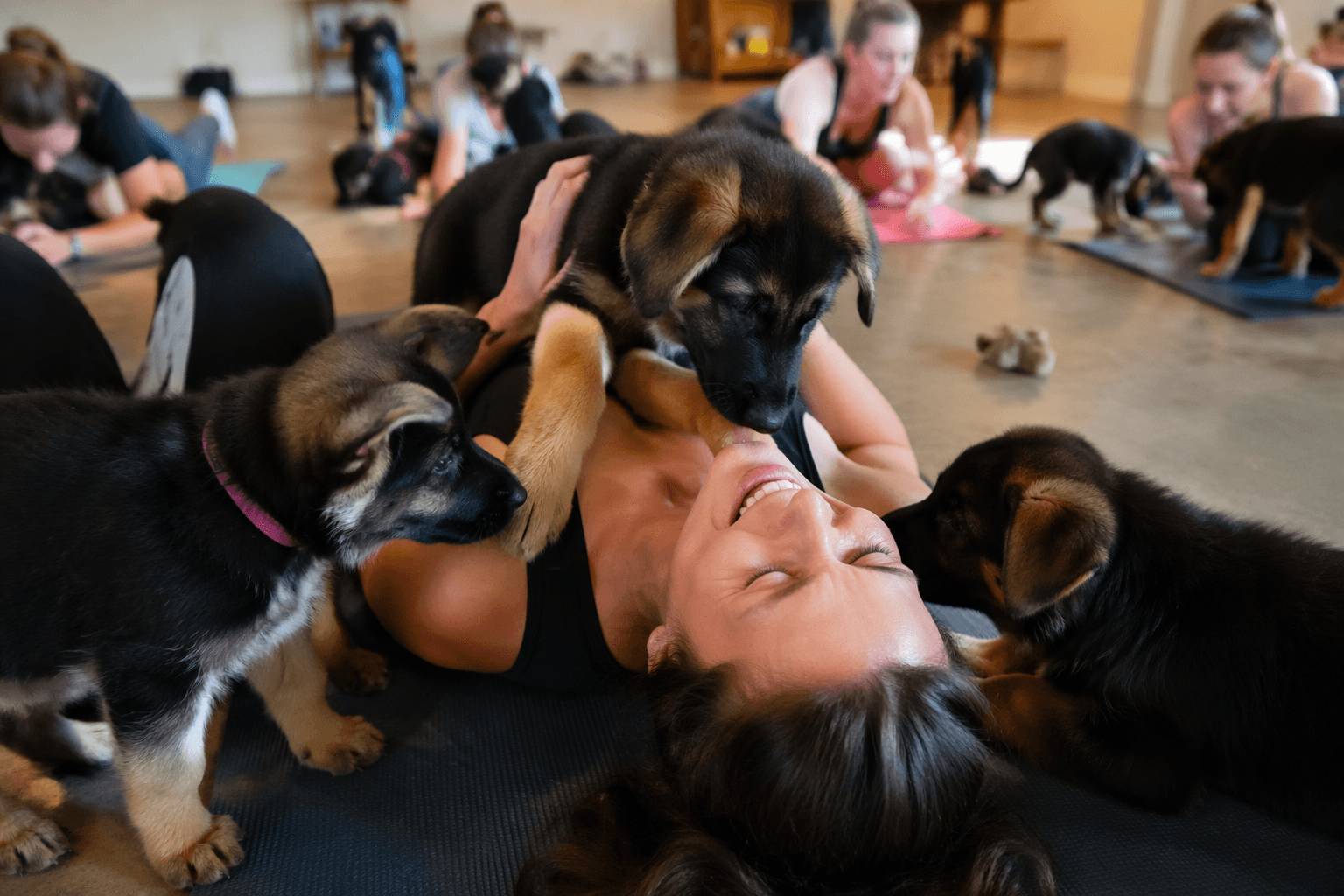
Updated doga guide explains safe practices, prep, and alternatives for owners
An evergreen doga guide was updated on October 22, 2025, to clarify what doga classes look like, outline safety and welfare considerations for dogs, and give practical preparation tips for owners and studios. The update matters because it emphasizes calm, dog centered sessions, clear limits on when to participate, and simple steps owners can take to protect animal welfare while strengthening the owner pet bond.

An updated doga guide released on October 22, 2025 lays out clear, practical advice for anyone running or attending dog yoga classes. The guide describes class structure, sets welfare driven boundaries, and lists straightforward preparations that reduce stress for both dogs and humans. That guidance aims to make sessions safer, more accessible, and better at delivering the social and relaxation benefits participants seek.
Classes are described as short, gentle yoga flows adapted for animals, combined with massage and bonding techniques, followed by a period for pet centered play or relaxation. Sessions prioritize low stress, calm interaction, and do not force dogs into positions. Instructors are advised to adapt poses for different dog sizes and to supervise all interactions closely. Limitations include a recommendation of one dog per owner in class to reduce crowding and confusion.
Practical preparation is emphasized. Verify shots are up to date, bring a leash and treats, and choose a well socialized dog that tolerates handling. Bring a towel and be ready for clean up. Watch body language for signs of stress. Avoid prolonged restraint or lifting if a dog resists. Consult a veterinarian if the dog has medical issues that could be affected by activity or handling.
The guide also flags when doga may be inappropriate. Very young puppies, sick dogs, or animals showing high stress are poor candidates. In those cases, alternatives are suggested, including therapy dog visits, scent games, and other animal assisted activities that provide enrichment without the demands of a class. These options allow bonding and gentle stimulation while keeping welfare at the forefront.
For studio operators the update reinforces the need to design calm, clearly structured sessions and to set enrollment rules that protect animals. For owners the update offers a clear checklist of what to bring and what to watch for, and it clarifies when to postpone participation. The result is a more consistent approach across studios, better protection for dogs, and a more relaxed experience for humans.
Verify your dog is a good fit before signing up, prepare basic supplies, and consult a veterinarian for any medical concerns. Follow body language cues closely and prioritize calm, voluntary participation to ensure doga remains a gentle, bonding activity for both pets and people.
This article was produced by Prism’s automated news system from verified source data, official records, and press releases, then run through automated quality and moderation checks before publishing. The system is built and supervised by the people who set the standards it runs under. Read our full AI policy.
Did this article answer your question?