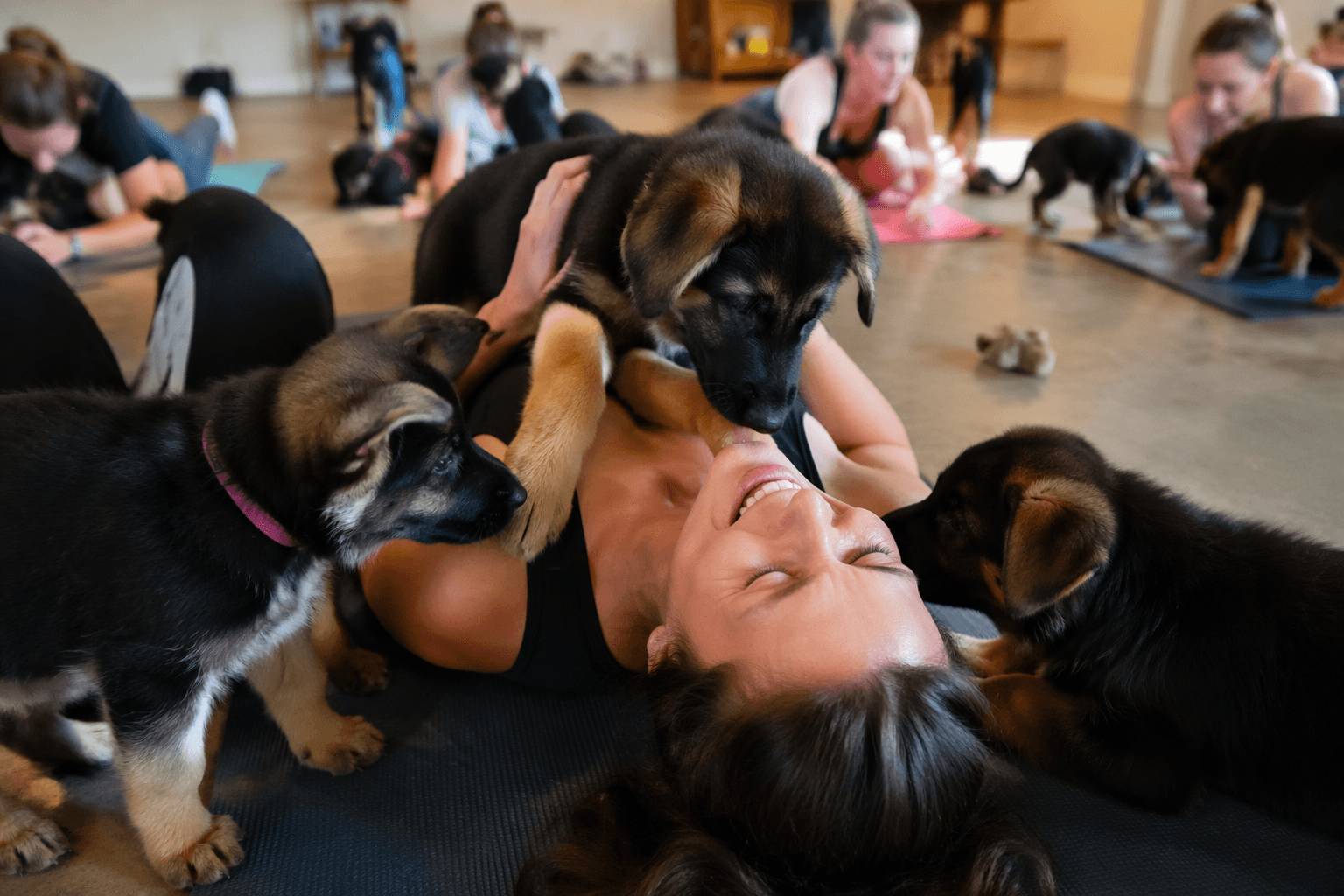
What I learned at a 60-minute puppy yoga class
I attended a 60-minute puppy yoga session that boosted mood and relaxation while exposing key welfare checks attendees should make before joining. Practical tips help you find ethical, low-stress classes.
I attended a 60-minute puppy yoga class on April 28, 2025 and walked away with a surprising mix of calm, connection, and practical concerns to share with the community. The session delivered a clear emotional payoff: lowered stress, a mood boost, and a felt sense of relaxation that came from the combo of gentle movement, mindful breathing, and unscripted puppy interaction.
The class began with a safety orientation and a walkthrough of rules for both humans and pups. Organizers kept numbers intentionally small, which mattered: small group sizes made it easier to protect resting puppies and helped participants stay present rather than chasing every wag. After orientation, puppies were released to roam and interact. That freedom is exactly what makes the format so heartwarming, but it also means the actual yoga movement portion can be minimal when puppies climb on participants or demand attention.
I evaluated welfare and ethical practices on site. The organizers described where the puppies came from, highlighted any tie-ins to shelters or charities, and showed how they cared for the animals between sessions. Those factors shaped the tone of the event: clear shelter partnerships and visible animal-care routines signaled higher standards of welfare. When puppies appeared tired, handlers set firm rest rules and offered quiet spaces, preventing overstimulation.
There is scientific context behind the feel-good effects. Human-animal interaction has been linked to reductions in cortisol and increases in oxytocin, plus improvements in heart-rate variability and other stress markers. In practice, the session’s calming effect came less from complex flows and more from slow stretches, breath work, and the steady, unpredictable presence of puppies moving around the mat.

What this means for the community is straightforward and practical. If you’re attending to decompress, expect more pet therapy than power yoga; plan to be flexible about your asanas. If you care about animal welfare, verify the event company’s animal-care policies, confirm whether proceeds benefit a rescue or shelter, and prioritize classes that limit group size and enforce rest rules.
The takeaway? Puppy yoga can be a genuine low-cost mood lifter when organized responsibly. Verify animal-care practices, arrive ready to trade a few sun salutations for cuddle time, and leave room for the pups to rest. Our two cents? Treat the class as pet therapy first and workout second, and you’ll get the most benefit for both you and the pups.
This article was produced by Prism’s automated news system from verified source data, official records, and press releases, then run through automated quality and moderation checks before publishing. The system is built and supervised by the people who set the standards it runs under. Read our full AI policy.
Did this article answer your question?