Accra bans drumming and noise-making ahead of Homowo festival
Accra's month-long ban will mute drums, loudspeakers and other noise-making from May 4 to June 4, putting Ga Homowo rehearsals and worship on hold.
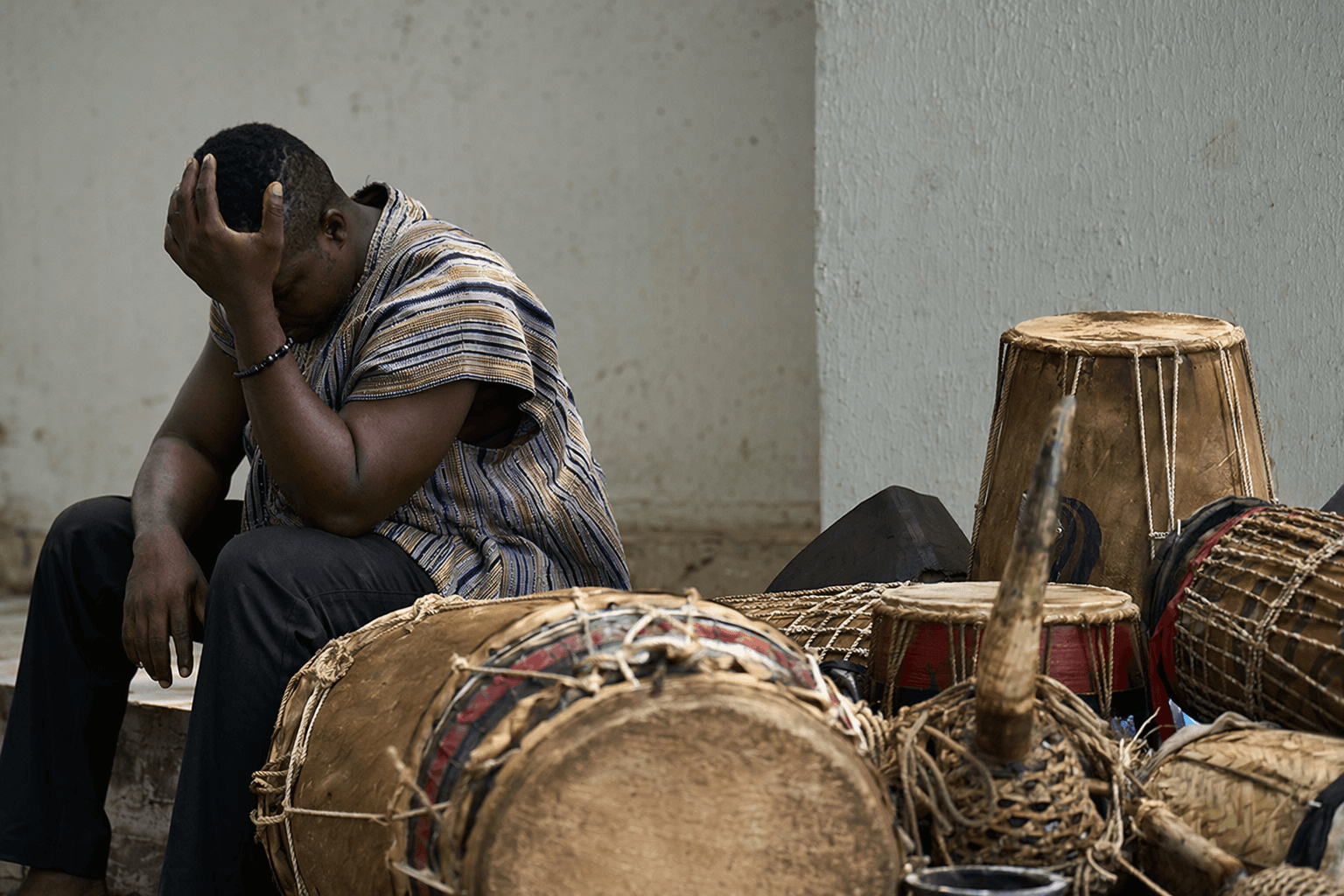
The Accra Metropolitan Assembly will enforce a month-long ban on drumming and noise-making from Monday, May 4, to Thursday, June 4, across the Ga Traditional Area, setting up a tense annual pause in one of Greater Accra’s most recognizable soundscapes. The restriction lands just as Homowo preparations begin, and it will hit traditional drummers, church and mosque services, funeral announcements, roadside evangelism and other public gatherings that rely on amplified sound.
For Ga communities, the ban is more than a civic order. Homowo is the main harvest festival of the Ga people in Greater Accra, and the celebration traditionally begins with the sowing of millet in May before a roughly 30-day period of silence on drums and noise-making. The festival’s name is widely understood to mean “hooting at hunger,” a reference to the Ga people’s historical victory over famine. The Ga are a coastal ethnic group centered in places including Accra, Osu, Labadi, Teshie, Nungua and Tema, where drumming is not just performance but part of worship, mourning and daily public life.
The AMA said the 2026 ban is intended to preserve peace, harmony and national security during the cultural period. It also stressed that no other individuals or groups are authorized to enforce the directive, a warning that reflects how sensitive the enforcement question has become in recent years. Past notices have said the restriction can cover loudspeakers, funerals, tambourines, roadside evangelism, churches and mosques, widening its reach well beyond the traditional ensemble players usually associated with Homowo.
The annual shutdown has a clear precedent. In 2025, the Ga Traditional Council set the ban from May 12 to June 12, while in 2024 the restriction was lifted on June 6 to make way for Homowo celebrations. That pattern shows how firmly the silence period is tied to the festival calendar, even as it disrupts rehearsals and services across the city. For drummers and community leaders in the Ga Traditional Area, the real issue is not whether the ban will happen, but how a city built around ritual sound will absorb another month without it.
This article was produced by Prism’s automated news system from verified source data, official records, and press releases, then run through automated quality and moderation checks before publishing. The system is built and supervised by the people who set the standards it runs under. Read our full AI policy.
Did this article answer your question?