Alex Lifeson helped convince Neil Peart to extend Rush's R40 tour
Neil Peart’s wish to step away made R40 feel like a last chance, not a victory lap. Alex Lifeson’s pushback helped turn Rush’s “final” tour into one more essential run.
The decision behind R40
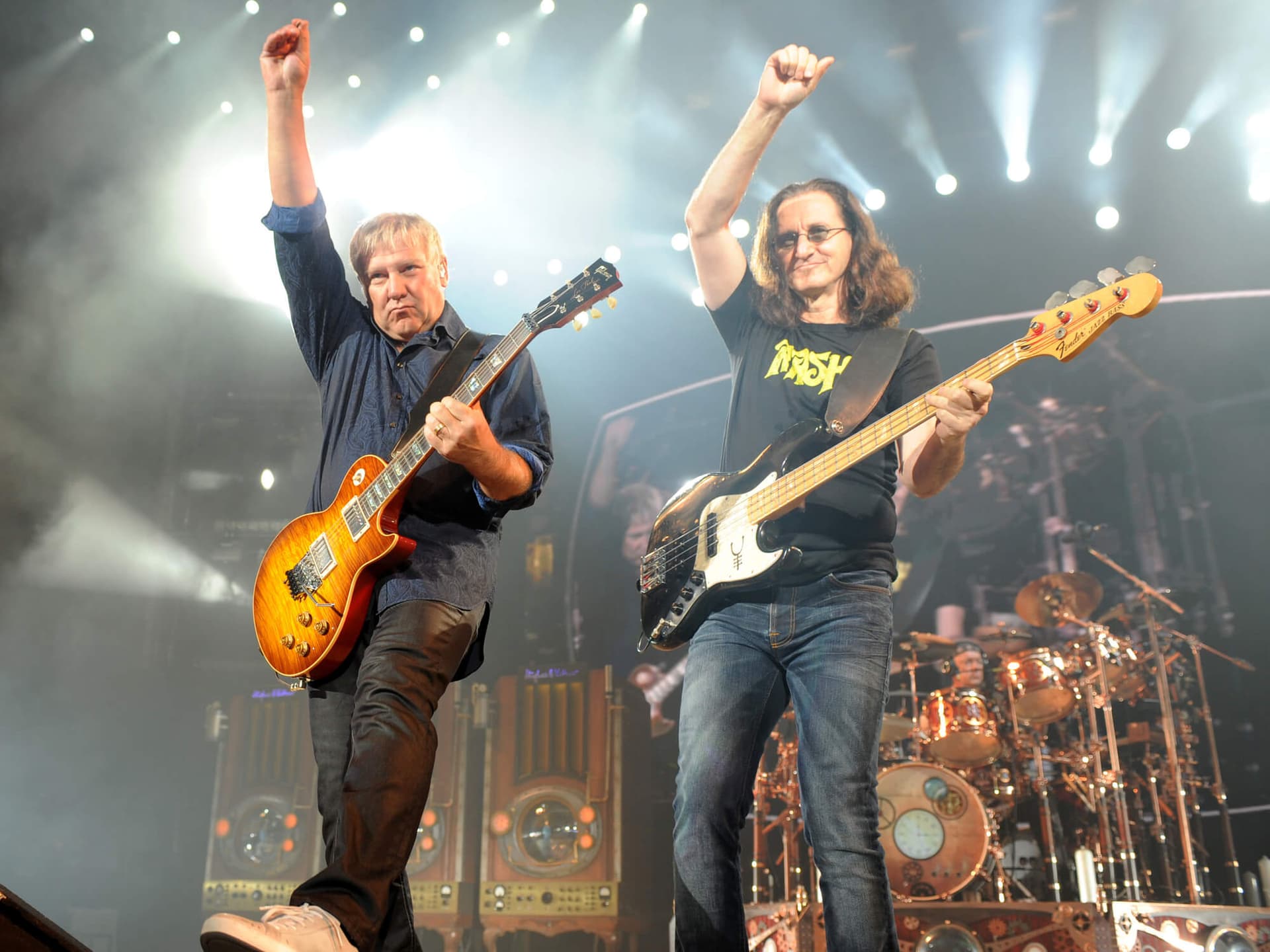
Neil Peart’s plan to stop touring is exactly what made Rush’s R40 run feel so urgent. What could have looked like a routine anniversary trek became something rarer: a late-career negotiation, shaped by fatigue, friendship, and the stubborn fact that Peart still mattered more than any contract or calendar.
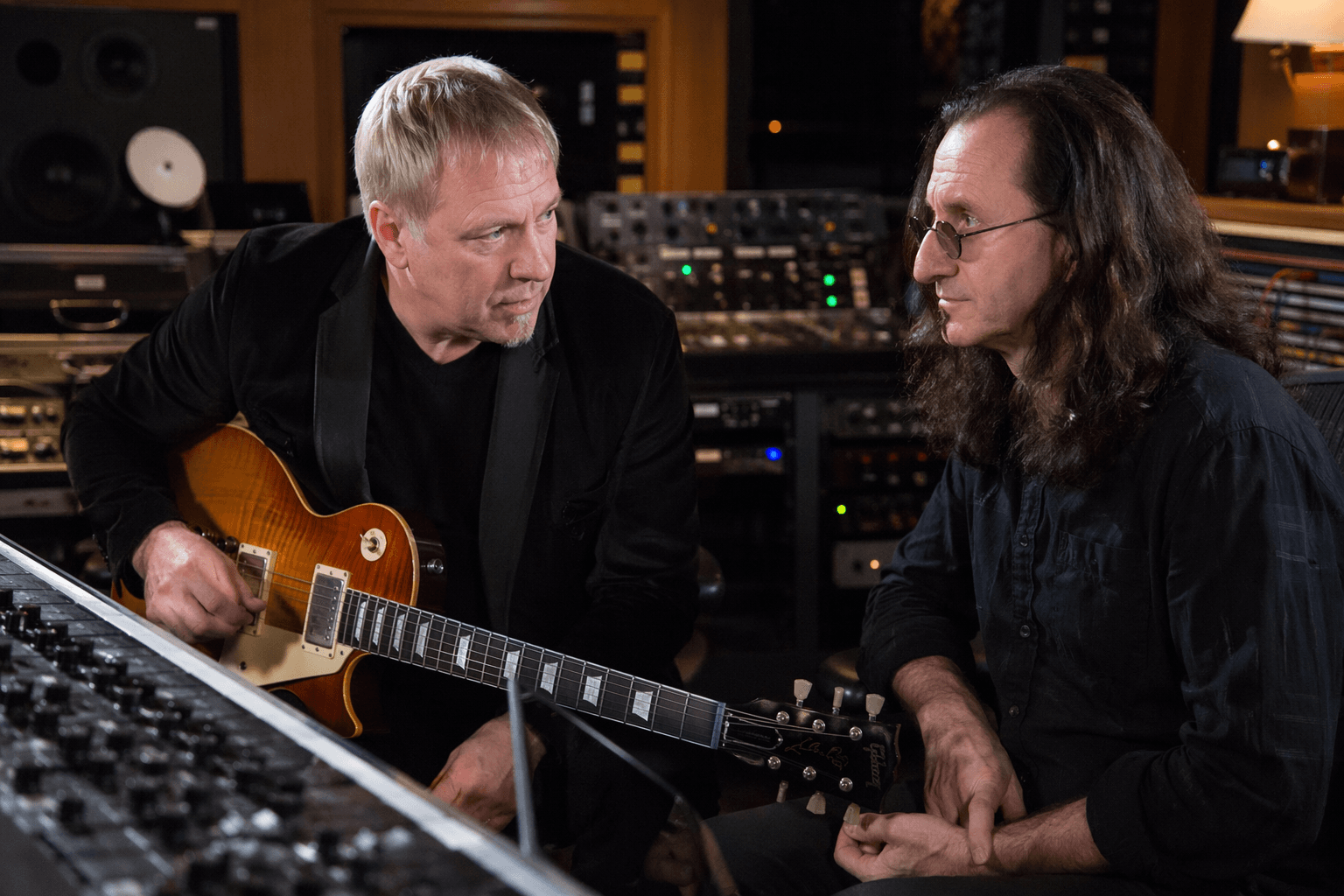
Alex Lifeson’s role in that decision is what gives the story its weight. He and Geddy Lee wanted more dates, especially in the U.K. and Europe, but Peart was already thinking about retirement and was not willing to stretch himself past what he felt he could sustain. Lifeson later made the emotional core of the situation plain, saying of Peart, “I can’t say no to that guy!” That frustration and affection pushed against the drummer’s instinct to draw a firm line, and for one more tour, that tension held.
Why Rush kept the run limited
Rush announced the R40 Live Tour on January 22, 2015 as a 34-city North American run, beginning May 8 in Tulsa, Oklahoma and ending August 1 at The Forum in Los Angeles. Rush’s own tour page listed 35 shows across those 34 cities, and the band’s announcement said it would likely be their last major tour of that magnitude. The wording mattered. This was not framed as an open-ended farewell, but as a closing statement with boundaries already built in.
That limited scope reflected Peart’s mindset. He was already looking to retire from music while R40 was being planned, and later reporting says he was adamant that the run stay contained. Lee and Lifeson may have seen the appetite for a longer farewell, but Peart was thinking in terms of limits, not expansion. In Rush’s later era, that distinction was crucial, because the drummer was never just keeping time in the background. He was helping define the band’s pace, scale, and future.
The physical cost behind the final lap
The other reason R40 stayed short was brutally practical. Lifeson said Peart dealt with a painful foot infection during the tour, and at one point could barely walk to the stage. He also described Peart as someone who had to play at full intensity once he got behind the kit, and that standard left little room for compromise. Peart was not the kind of drummer who could phone in a final lap, and the band knew it.
That same logic appears in the broader reporting around the tour, which notes arthritis and digestive issues as part of the physical strain surrounding Lifeson’s own perspective on the road. For Peart, the question was even more elemental: if he could not perform at 100 percent, he would rather stop. JamBase captured that mindset directly in Lifeson’s recollection, where Peart felt that if he could not play fully, he was done. In that light, R40 was not a victory lap so much as a last run that existed because the drummer still believed he could deliver one more complete statement.
Why the tour became the final chapter
R40 has lasted in the Rush story because it was more than a celebratory anniversary outing. It became the final live chapter, and the emotional contradiction at its center is what fans keep returning to: the tour happened because Peart was already ready to leave. That is what gives the title of “farewell” its real force. Rush did not extend indefinitely and then decide to close the book; the book almost closed before the tour even began.
The final date, August 1, 2015 at The Forum in Los Angeles, now reads like a full stop with intent. From Tulsa to Los Angeles, the 35-show, 34-city run traced a band trying to honor its own history without pretending history would keep repeating forever. Later reporting says Lee and Lifeson still wished the farewell could have stretched farther, especially into the U.K. and Europe, but Peart’s limits set the shape of the run. That is why the tour still feels unusually intimate for a band operating at Rush’s scale.
What R40 tells drummers about legacy
For drummers, the deeper lesson is how central Peart’s presence was to Rush’s identity right to the end. He had already become a benchmark for technical and compositional excellence, and R40 reinforces how much of Rush’s live identity was built on his playing. The tour was not simply a matter of booking one more set of dates, it depended on the drummer’s willingness to keep going, and on the band’s willingness to respect the terms of his endurance.
The numbers underline how consequential that decision was. R40 is widely reported to have grossed about US$37.8 million and sold 442,337 tickets, a scale that explains why the farewell remains such a touchstone in Rush history. But the money only tells part of the story. The real legacy is that a drummer’s retirement timeline, his physical limits, and one bandmate’s refusal to accept the end all collided to produce a final tour that never felt routine.
R40 endures because it was never just nostalgia. It was the sound of a legendary drummer deciding how much more of himself he had left to give, and of a band realizing that the answer, however reluctant, would shape everything that came after.
This article was produced by Prism’s automated news system from verified source data, official records, and press releases, then run through automated quality and moderation checks before publishing. The system is built and supervised by the people who set the standards it runs under. Read our full AI policy.
Know something we missed? Have a correction or additional information?
Submit a Tip