Don Henley says Ringo Starr taught him the art of restraint
Ringo Starr’s restraint helped shape Don Henley’s whole musicianship, showing how a drummer can build a band’s feel from the stool outward.
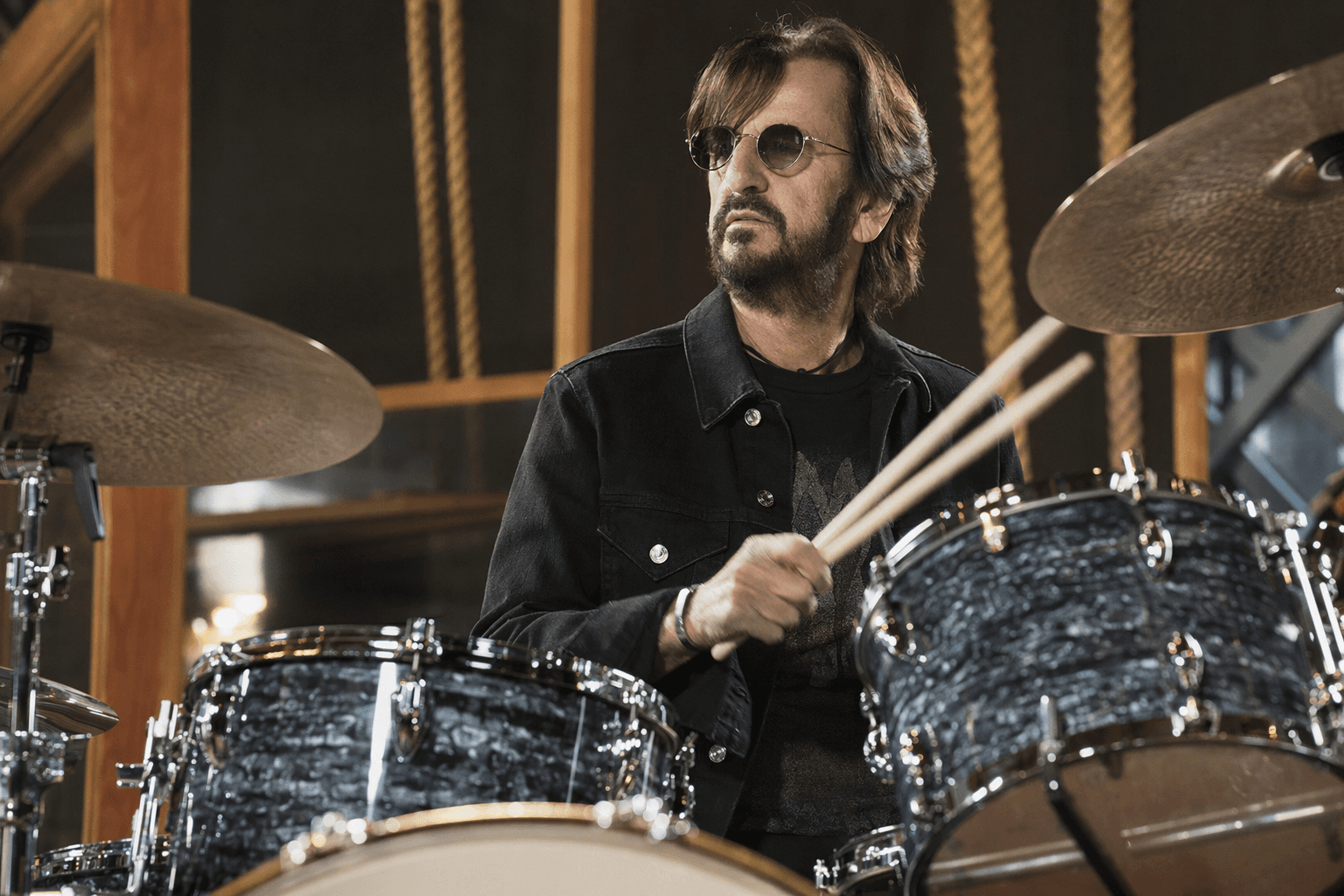
Ringo Starr’s lesson in restraint
Don Henley’s story lands hardest for drummers because it begins at the kit and never really leaves it. Long before he became one of the Eagles’ signature voices, he was the drummer in the room, and that perspective shaped everything he did afterward, from timing to tone to the way he thought about a song’s emotional weight.
The useful detail in this retrospective is not just that Henley admired another great drummer. It is that he treated Ringo Starr as a model for musicianship itself, a reference point for feel, restraint, and taste rather than flash. That distinction matters, because it turns drumming from a display of technique into a discipline of judgment. In Henley’s case, the influence reached beyond the backbeat and into the way he heard arrangements, vocals, and the space a song needs to breathe.
From the drum stool to the front line
Henley’s path through the Eagles began with a very practical kind of band chemistry. He and Glenn Frey came together after both had played in Linda Ronstadt’s backing band, and that shared experience became the launch point for something far larger. Henley did not arrive as a pure frontman; he arrived as a drummer who also happened to have a voice strong enough to carry melodies to the front of the mix.
That combination is part of what makes him such a compelling figure for drummers. He is one of the rare examples of a drummer-vocalist whose musical identity was shaped from the stool outward, not the other way around. The beat came first, but it was never isolated from the rest of the music. The vocal, the groove, and the band’s overall shape all grew from the same player’s sense of what a song needed.
What Ringo taught: time, taste, and the power of leaving space
The clearest lesson in the piece is that restraint is not a lack of ambition. In Starr, Henley saw a drummer whose playing served the song so completely that the song felt bigger because of what was not being played. That is the kind of influence drummers feel in their bones: good timekeeping is not just about staying in tempo, it is about creating a pulse that lets the track relax, lift, and move with confidence.
For any drummer thinking about craft, the takeaway is simple but deep. Showy playing can turn heads, but restraint can shape a band’s identity. Henley’s admiration for Starr points to a standard where groove, pocket, and musical patience matter more than speed, and where the smartest fill is sometimes the one you decide not to throw in.
- Keep the time solid enough that the vocal can live on top of it.
- Leave room for the arrangement to breathe instead of filling every pocket.
- Treat dynamics and touch as part of the composition, not just the performance.
- Think about how the drum part affects the whole band, not only the kit.
That mindset is especially useful because it reframes drumming as a songwriting force. A drummer who understands restraint is not simply supporting the tune from behind it; the drummer is helping define how the tune feels from the inside.
Why drummer-vocalists hit differently
Henley also shows why drummer-vocalists hold a special place in rock. They are balancing two rhythms at once, the physical rhythm of the kit and the phrasing of the lyric. That dual responsibility often produces a sharper awareness of arrangement, because the player has to know where the groove sits under a melody and where the melody needs air above the groove.
In Henley’s case, that made him more than a timekeeper or a singer. It made him a bridge between foundation and front line, someone who could shape the band’s pulse while also delivering its most recognizable hooks. That is a rare musical position, and it helps explain why his perspective on Starr resonates so strongly: both players understood that the drum part is not separate from the song’s personality.
The deeper lesson for drummers
The real value of Henley’s Ringo admiration is that it validates a more mature idea of drumming. Technique matters, but taste tells people what kind of musician you are. Time matters, but feel is what makes listeners trust the time. A drummer can build entire songs out of patience, placement, and discipline, and that kind of authorship often changes a band more profoundly than a barrage of fills ever could.
Henley’s career keeps returning to that idea. He started as the drummer in a band that came out of the Linda Ronstadt orbit, became one of the Eagles’ defining vocalists, and still carried the sensibility of someone who understands the power of the backbeat. Starr’s influence helps explain why: the best drumming does not call attention to itself first. It makes the whole song sound more like itself, and that is the kind of restraint that lasts.
This article was produced by Prism’s automated news system from verified source data, official records, and press releases, then run through automated quality and moderation checks before publishing. The system is built and supervised by the people who set the standards it runs under. Read our full AI policy.
Did this article answer your question?