Drumeo organizes 40 drum rudiments into a clear practice path
Drumeo's 40-rudiment hub works like a daily practice map, pairing each rudiment with demos, notation and tools that turn a list into a usable session.

A practice map, not just a list
Drumeo’s 40 Drum Rudiments page gives drummers something more useful than a catalog of sticking patterns: it turns the standard rudiments into a path you can actually practice. Each rudiment comes with a short video demo, practice tools, sheet music, tips and supporting material, so the page works as a quick reference when you need to rebuild hand control or a fresh starting point when your hands feel stale.
That structure matters because rudiments can easily become isolated exercises that live only on the pad. Drumeo frames them differently, as the building blocks of drumming and as usable musical tools that connect back to the kit, groove creation and fill vocabulary. For a player who wants immediate value, that means the page is not asking you to memorize a list. It is helping you turn fundamentals into something that can show up in songs.
Why the 40-rudiment frame has authority
The number itself is not arbitrary. The Percussive Arts Society says its International Drum Rudiments combine the traditional 26 rudiments with additional drum corps, orchestral, European and contemporary rudiments. PAS also says the 40-rudiment list came out of a five-year project compiled by the PAS International Drum Rudiment Committee, chaired by Jay Wanamaker.
That background gives the modern online lesson a deeper foundation. PAS says rudiments should be practiced open, meaning slow, to close, meaning fast, and back to open again, or at an even moderate march tempo. That approach fits Drumeo’s presentation well because the page is organized around repetition, comparison and progression, not one-off demos. The result is a learning path that respects the old-school discipline of rudiment study while making it easier to use in a self-directed practice routine.
PAS’s own history helps explain why this language carries so much weight in drumming. The organization traces back to a dinner among 14 percussionists and educators at the 1960 Midwest Band and Orchestra Clinic in Chicago, and it now describes the Percussive Arts Society International Convention as the largest percussion convention in the world. In other words, the rudiment system Drumeo is drawing from sits inside a long-running percussion culture that has shaped how generations of players think about technique.
How to turn the page into a real session
The strength of Drumeo’s hub is that it can be used at whatever length of time you actually have. If your practice window is short, the page can be your daily anchor. If you have more time, it can become the spine of a fuller technical workout. The point is to keep the rudiment in motion, moving from pad to time feel to musical application instead of leaving it as a sterile drill.
A simple way to use the page is to build your practice around one of three session lengths:
- 10 minutes: Pick one rudiment, watch the demo, and move it through slow, open strokes before bringing it back to a moderate tempo. Focus on evenness and consistency rather than speed.
- 20 minutes: Choose two related rudiments, compare their sticking and feel, and check how each one behaves in time. Then apply one of them to a simple groove or fill idea so it stops feeling abstract.
- 30 minutes: Work through a small cluster such as single-stroke rolls, doubles, paradiddles, flams or drags, then test how each one translates from pad work to the kit. Use the practice tools and sheet music to keep the session organized.
That kind of structure is especially valuable for hobby players, where limited practice time can make it hard to know what to do first. Drumeo’s page gives you the sequence, so you can spend less energy planning and more energy playing.
What Drumeo adds beyond the list
Drumeo’s broader teaching approach reinforces that the hub is meant to be used, not just browsed. The company’s Drum Rudiment System goes beyond a simple overview and says it includes more than 13 hours of step-by-step training. It demonstrates each rudiment on a practice pad, then moves into intermediate applications with multiple camera angles.
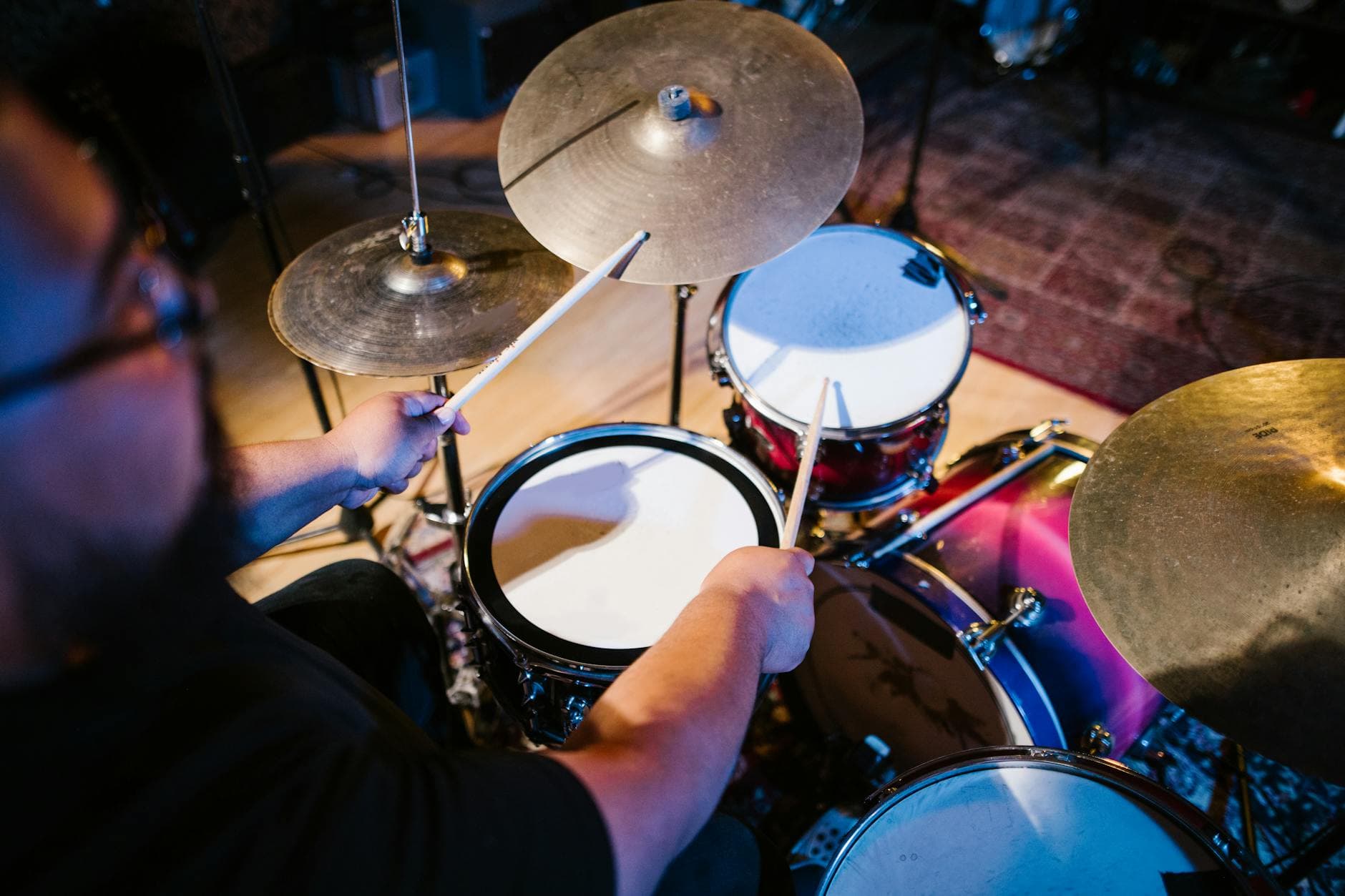
That matters because it bridges the gap between isolated sticking and actual drumming language. A player can see the rudiment cleanly, then watch how it expands into more advanced use, which is exactly where a lot of practice systems lose people. The extra camera angles and step-by-step format give the player more than a static chart, they create a repeatable training loop.
Drumeo’s teaching material also includes practice tracks for rudiments at tempos from 50 BPM to 150 BPM. That range makes the page useful for players who need to slow things down, lock in a groove or push toward faster control without guessing at a tempo. Combined with the notation and tips, it gives the hub a practical edge that goes well beyond a standard reference page.
From pad vocabulary to musical language
The biggest advantage of the page is the way it reframes rudiments as music. A drummer can use the same core material across drum set, marching percussion and orchestral settings, which makes the 40-rudiment system feel less like a test and more like a shared vocabulary. That cross-application is part of why the list remains so important, even as players argue about how best to use it.
PAS has even revisited the 40 International Drum Rudiments on their twentieth anniversary, with articles examining how the rudiments are used and whether they should be revised. That tells you the conversation is still alive. The list is respected, but not frozen, and Drumeo’s hub fits that reality by presenting the material as something you can revisit, compare and apply in new ways.
Drumeo’s larger ecosystem also helps keep that practice loop going. The site includes a free lessons area and other rudiment-related articles, which means the 40-rudiment page sits inside a broader learning system rather than existing as a one-off lesson archive. For a drummer trying to improve coordination, speed or control, that makes the page a reliable place to return to whenever fundamentals need sharpening.
The real value of Drumeo’s 40 Drum Rudiments page is that it removes the guesswork from rudiment study. It gives drummers a clean path from basic strokes to usable musical language, and it does so in a way that fits the way people actually practice: short sessions, repeated visits and a constant search for better feel.
Know something we missed? Have a correction or additional information?
Submit a Tip