Drummers turn Yale commencement procession into a sacred celebration
Drummers do more than accompany Yale commencement. Michael Mills and Rhythms from the Heart pace the procession, turning a formal walk into a shared ritual.

The beat that sets commencement in motion
At Yale Divinity School, the procession does not simply happen, it breathes. Michael Mills and Rhythms from the Heart have spent about two decades giving commencement a pulse, using drums to lead graduates, faculty, family, and friends down Prospect Hill and into Cross Campus with a sense of motion that feels both ceremonial and alive.
That is what makes this tradition land so strongly in the drumming world: the players are not background color. They control the emotional tempo of the day, shaping when the crowd gathers, when it moves, and how the moment feels as it unfolds. Mills has said the music is meant to lift everyone up and create a spirit of engagement, and that intention is audible in the way the procession becomes less like a march and more like a communal answer to the ritual around it.
How the procession works
The drums enter a setting already full of meaning. Yale’s 325th Commencement and YDS’s 202nd Graduation are set for Monday, May 18, 2026, and the drumming tradition sits inside that larger commencement weekend as the bridge between worship, academic ceremony, and public celebration. The route down Prospect Hill into Cross Campus gives the music a practical role, too: it carries the procession forward step by step, keeping the line together while also opening space for call and response between sound and movement.
What the rhythm changes
Without live percussion, commencement can flatten into a sequence of official gestures. With Mills and Rhythms from the Heart, each transition gains texture. The beat signals that this is not just a parade of gowns and diplomas; it is a shared passage, and the crowd is invited to feel it together.
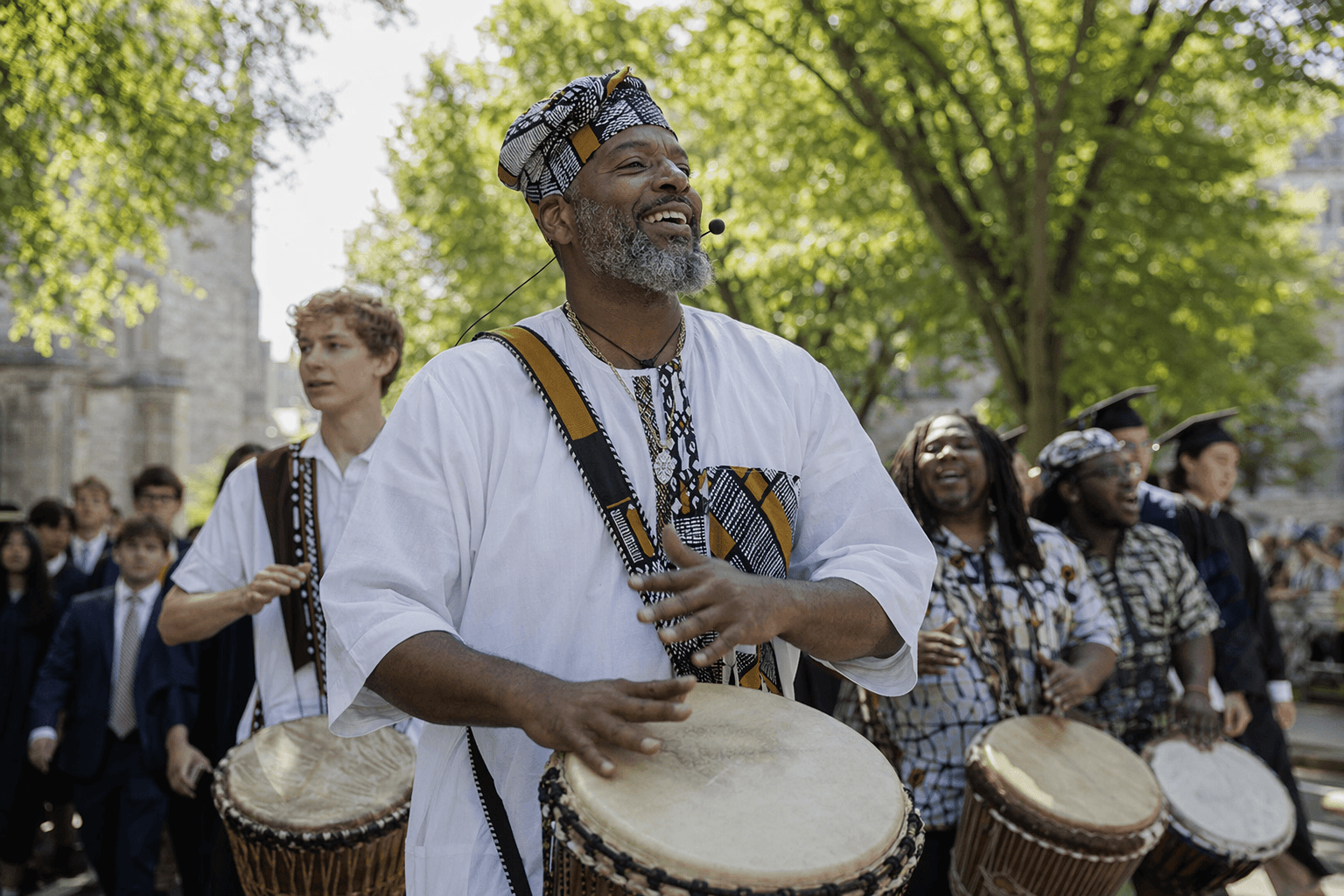
Rev. Vicki Flippin put the effect in plain terms, describing the musicians as the people who transform a pedestrian hike into a celebratory pilgrimage and make the moment feel sacred. That distinction matters. The drums do not merely decorate the procession, they reframe it, turning distance into anticipation and arrival into release.
Where the tradition began
The Yale Alumni Magazine traces the YDS drumming tradition to 2005, when then-associate professor Patrick Evans invited the group to participate in the commencement morning communion service and then join the procession. That origin story matters because it shows how quickly a musical gesture can become part of institutional memory when it answers a real need in the room.
Evans later captured the shift with a line that still explains the appeal of the tradition: “For the first time, it was cool to be a Divvie.” The quote lands because it names the emotional payoff plainly. The drums gave the day an edge of delight without losing the seriousness of the rite, and that balance is exactly why the custom endured for two decades.
Why live percussion matters here
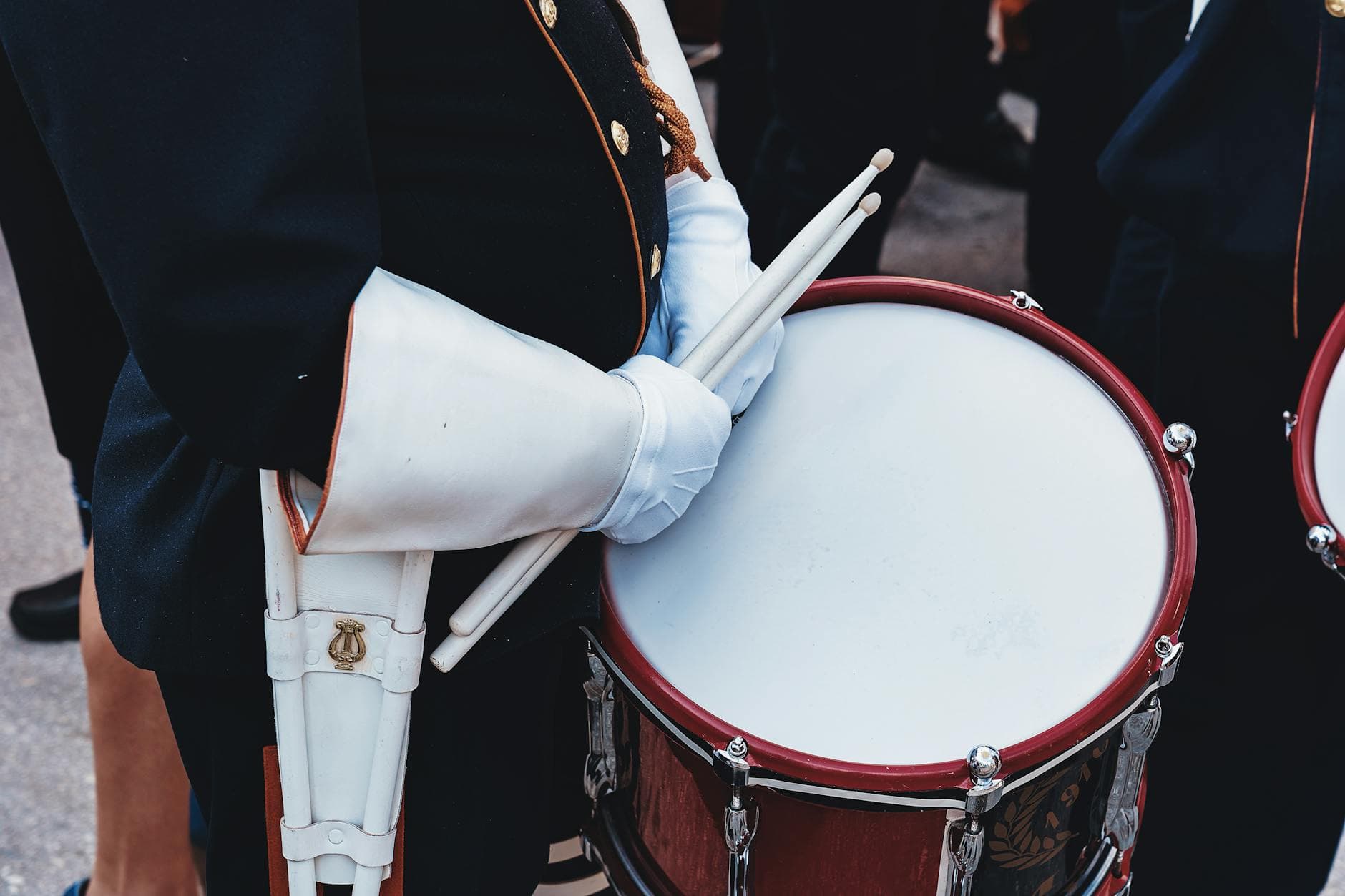
Drumming at commencement works because it keeps the ceremony embodied. A procession can easily become administrative theater, but live rhythm forces everyone present to move at a human pace. The players listen to the crowd, the route, and one another, and that responsiveness is part of what makes the day feel communal instead of staged.
For a major ritual like Yale commencement, the stakes are subtle but real. The drums set the pace for graduates who are leaving one identity and entering another, for families who are trying to hold onto the moment, and for faculty who have watched the year come to its close. That kind of timing is what drummers understand best: not just tempo, but atmosphere.
Michael Mills and the wider civic circle
Mills is not only a performer in one institutional tradition. He is also a music producer, composer, and activist whose work has moved through the New Haven Symphony Orchestra, the Yale Peabody Museum, the New Haven Jazz Festival, Martin Luther King holiday celebrations at the Connecticut state capitol, and national rallies including the Million Mom March and Stand for Children on the Washington Mall. That range helps explain why his Yale role feels larger than one campus procession.
His broader mission is rooted in Drums No Guns Commission, Inc., the nonprofit he founded. The organization says it was created in 1995 during the Special Olympics World Games in the greater New Haven region, where 1,200 athletes and their families attended and more than 450,000 people took part over nine days. Its self-described focus is literacy, heritage, and nonviolence, which places the Yale procession in the same moral universe as the rest of Mills’s civic work.
The bigger lesson for the drumming community
Rhythms from the Heart is a reminder that percussion can be a public service as much as a performance. The group draws on multiple cultural traditions, and that breadth gives the Yale procession a layered voice rather than a single ornamental sound. In a moment that could otherwise belong entirely to the institution, the drums make room for neighborhood identity, memory, and participation.
That is why the tradition resonates beyond New Haven. It shows how live drumming can hold a crowd together, shift the emotional weather of a ritual, and create a shared language for transition. At Yale, the procession is not sacred because the setting says so. It becomes sacred because the drums make everyone inside it feel the change happening in real time.
This article was produced by Prism’s automated news system from verified source data, official records, and press releases, then run through automated quality and moderation checks before publishing. The system is built and supervised by the people who set the standards it runs under. Read our full AI policy.
Did this article answer your question?