Modern Drummer teaches silent practice with imaginary drum set techniques
Silent practice gets real in Modern Drummer’s Imaginary Drum Set, a no-kit system that protects time, coordination, and limb independence anywhere you can sit.
Why this matters when you do not have a kit
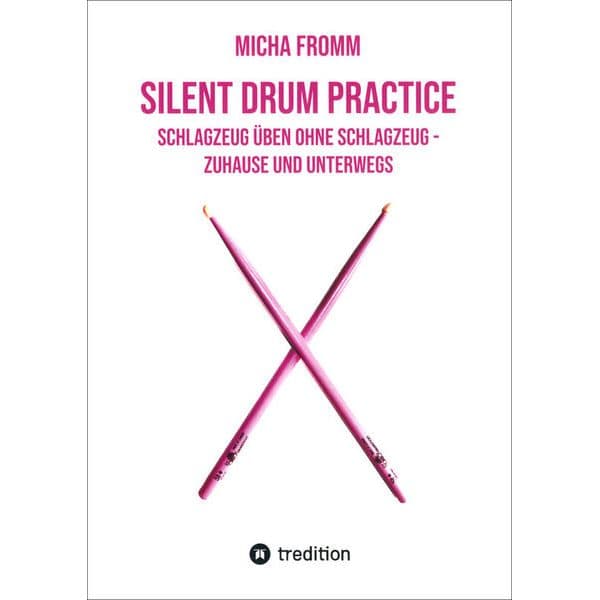
Keeping your hands and feet honest between rehearsals is one of the hardest parts of drumming. Modern Drummer’s Silent Drum Practice Part 3 turns that everyday problem into a usable system, giving you a way to keep coordination sharp in apartments, on tour, backstage, or between lessons when a full kit is out of reach. Micha Fromm’s latest installment does not treat silent practice like a compromise; it treats it like a real training method for preserving time, limb independence, and the feel of song form when the drums themselves are not there.
The appeal is immediate because the pain points are so familiar. In the series’ opening installment, Fromm spelled out the reasons drummers get boxed out of regular practice: the instrument is loud, neighbors or parents complain, rehearsal-room time collides with other obligations, rehearsal spaces can be too far away, and some players simply do not own a set yet. That is the real-life gap this lesson fills. It is for the days when the body still wants to play, but the environment makes a normal session impossible.
The imaginary kit starts with posture
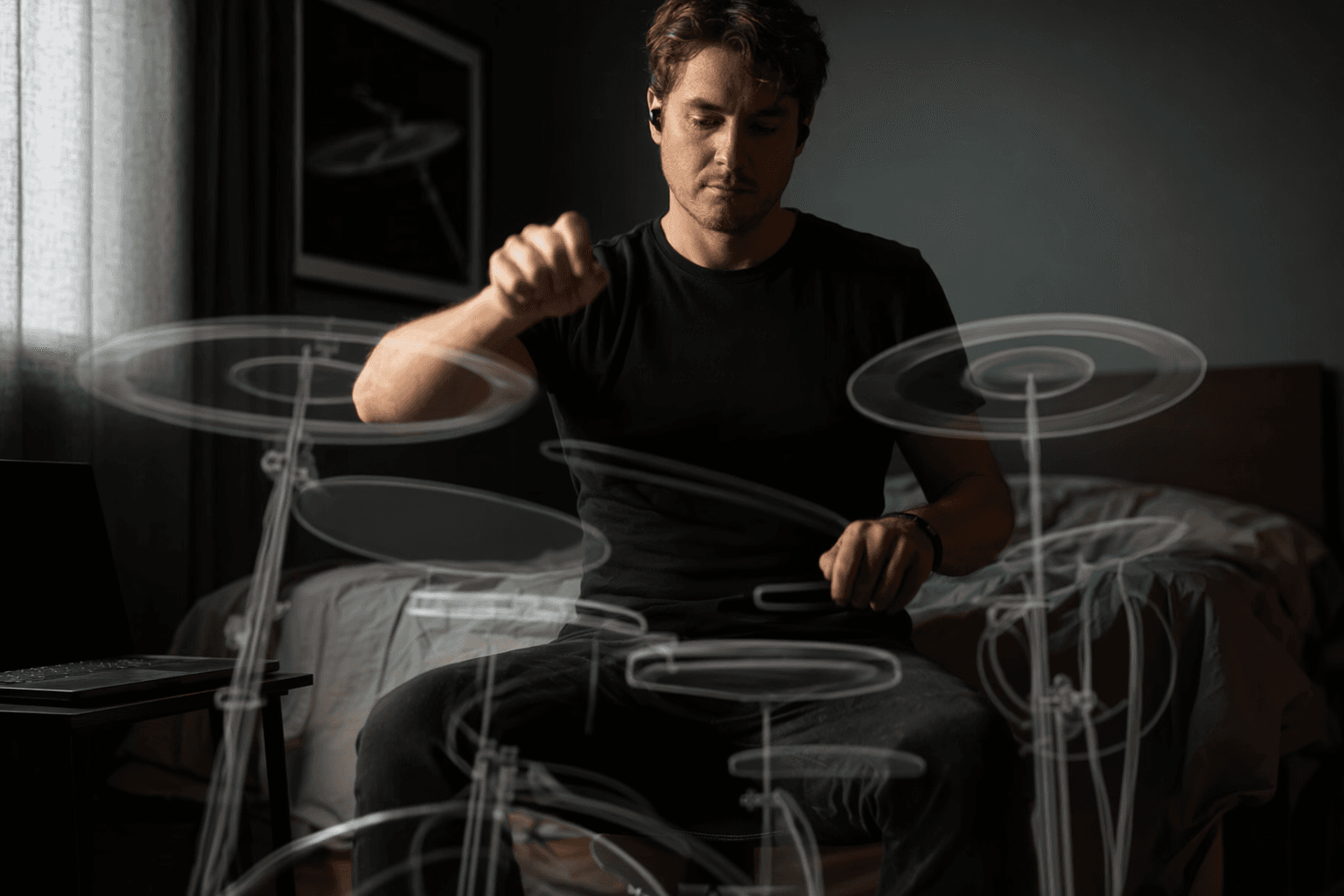
Part 3, published by Modern Drummer on May 1, 2026, introduces the Imaginary Drum Set with setup instructions that mirror a real kit as closely as possible. You sit at the correct height, keep the legs in a natural V-shape, and place the thighs and calves at roughly a right angle. That detail matters because silent practice is not just about moving around in the air; it is about rehearsing the body position that makes coordination feel familiar when you return to a throne, snare, and pedals.
Fromm’s method is practical because it preserves the shape of the performance. If your posture is close to your normal kit setup, the nervous system gets a cleaner rehearsal of spacing, balance, and limb orientation. That means you are not only learning motions, you are preserving the physical map that tells your body where the beat lives.
What the imaginary drum set actually does
The core idea is simple and smart: the snare becomes wrist motion on the thighs, while the bass-drum and hi-hat pedals become heel-down floor strikes driven by the ankles. In other words, the lesson translates each instrument into a silent proxy that still asks the same muscles to organize the motion. The hands get their own surface, the feet get their own timing job, and the groove can be practiced without any hardware at all.
That is why the method feels more like drumming than air-drumming. The lesson strips the setup down to essentials, but it does not strip away the vocabulary. You are still practicing how the body separates parts, accents strokes, and locks the feet into time, which is exactly what you need when you are trying to keep coordination intact away from the kit.
What each drill preserves
The most useful part of the lesson is that it does not leave the practice goal vague. The imaginary-kit approach preserves time by giving you a physical pulse to organize around, even if it is carried by thighs and floor taps instead of cymbals and pedals. It preserves limb independence because each limb still has a distinct role, with the hands working one surface and the feet working another. And it preserves song-form memory because structured silent practice keeps you thinking in sections, patterns, and transitions instead of just buzzing through isolated motions.
That is where the lesson earns its keep for working drummers. A silent session can be short, but it can still reinforce the exact pieces that disappear first when you go too long without a kit: consistent pulse, clean separation between limbs, and the ability to move through a tune without losing the form.
Why the series feels structured, not random
Modern Drummer framed the whole Silent Drum Practice series as practicing drums without drums, using silent or low-noise practice at home or on the go. The April 1, 2026 installment pushed that point even further, noting that the exercises can be done anywhere, either with hands on thighs or sticks on a pad. Part 3 builds on that foundation by giving the practice a clear physical layout, so the player knows exactly how to translate drumming gestures into a quiet environment.
That structure is the difference between a productive drill and a distracted mime session. The series gives you a progression: first the problem, then the anywhere-friendly practice format, then the detailed imaginary-kit framework. It feels designed for people who need something they can use immediately, not just admire.
Why the idea has real support behind it
The lesson also lines up with the wider research around motor learning. A 2024 PubMed-indexed study reported that combining motor imagery with physical practice improved snare-drum performance in trained percussionists. That matters because it supports the basic premise behind silent practice: the body can rehearse skill even when the full instrument is absent.
Two other PubMed-indexed studies reinforce the same logic. A 2020 review discussed motor imagery practice and cognitive processes as part of learning, and a 2020 study found that mental and physical practice leave different modality-specific neural footprints during motor imagery. Put together, those findings help explain why Fromm’s lesson works as more than a convenience trick. It is a way to keep motor planning active, not just to pass time until the next full session.
Why this stands out in a crowded month of drummer content
Part 3 appears in a broader March-to-May 2026 Modern Drummer education rollout, alongside other instructional material in the May issue. In a media cycle that can get crowded with artist news and gear chatter, this tutorial lands because it solves an everyday problem with real specificity. It is not selling fantasy practice, and it is not pretending a thigh is a snare drum. It gives drummers a disciplined way to protect timing, coordination, and physical memory when the kit is unavailable, which is exactly when those skills tend to slip.
The Imaginary Drum Set works because it respects the realities of the instrument and the realities of daily life. For drummers who need to keep moving forward without making a sound, that is a very practical kind of progress.
This article was produced by Prism’s automated news system from verified source data, official records, and press releases, then run through automated quality and moderation checks before publishing. The system is built and supervised by the people who set the standards it runs under. Read our full AI policy.
Did this article answer your question?