Morgan Rose Reflects On Sevendust’s Misfit Role In Heavy Rock Tours
Morgan Rose’s Creed-era memory has become a marker of how much heavy-rock crowds have changed. Sevendust now fits the same crossover bills that once seemed unlikely.
A drummer’s memory becomes a scene report
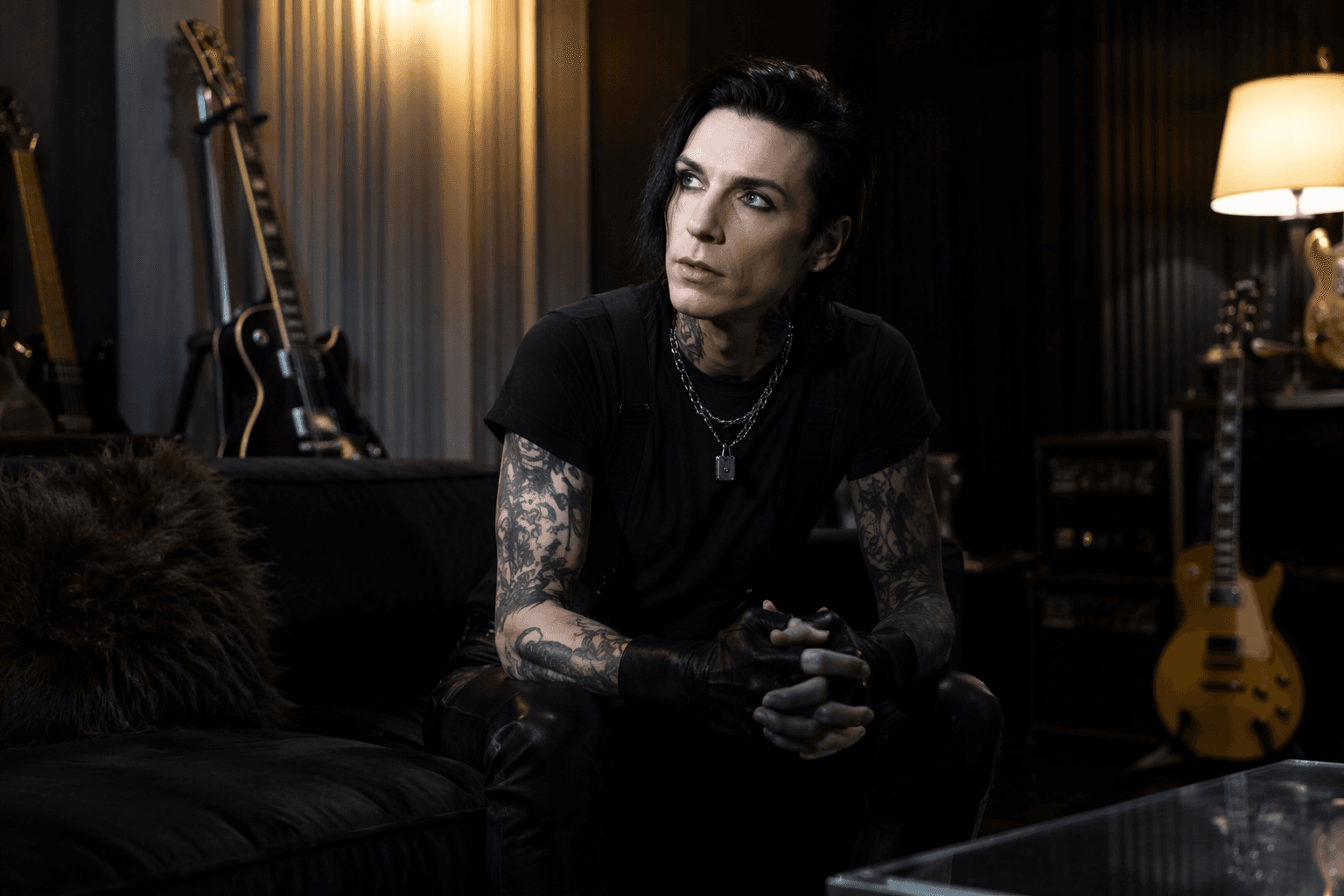
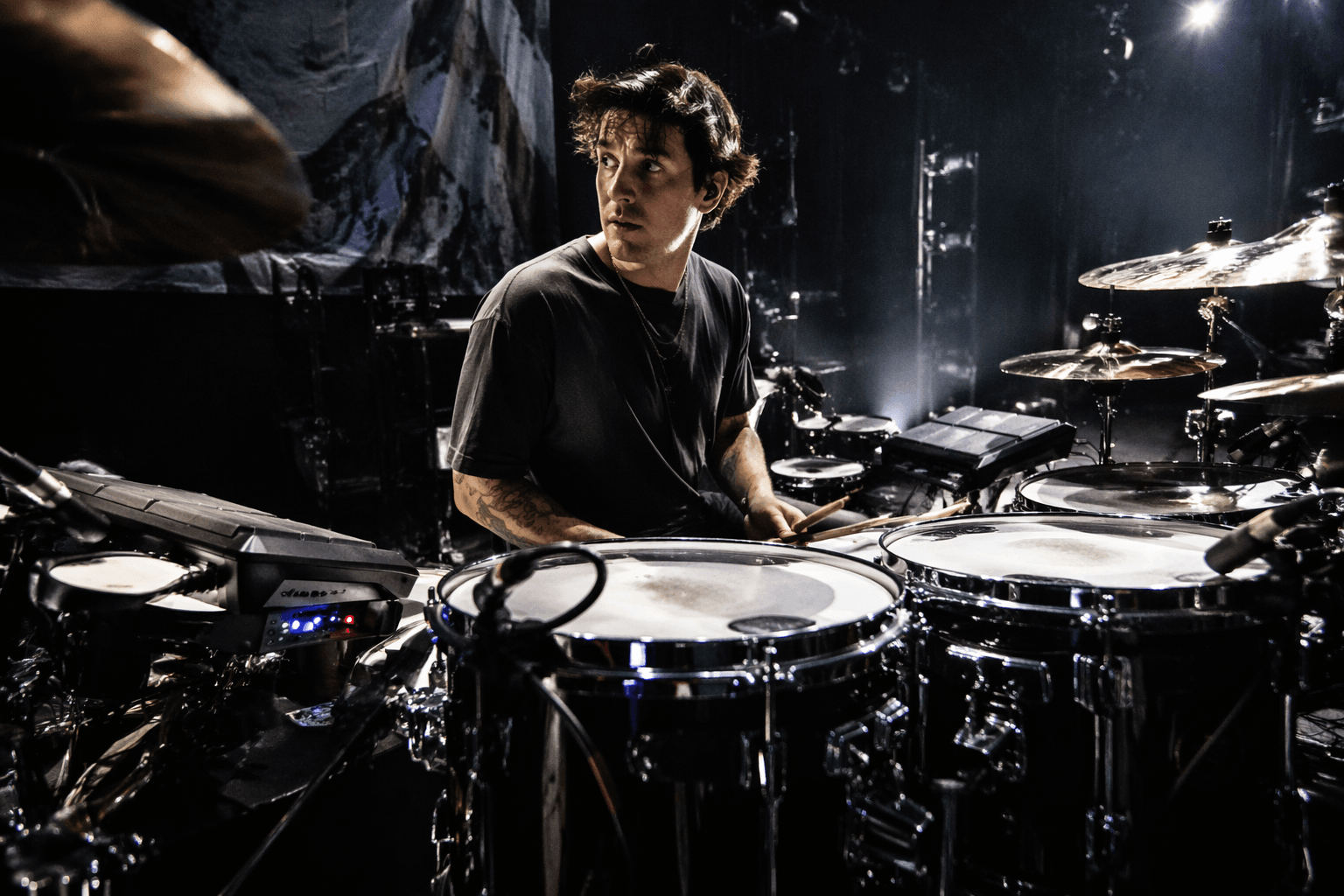
Morgan Rose spent his April 29, 2026 interview on Rock 100.5 The KATT FM turning a personal regret into a bigger argument about hard-rock audiences and where they are headed. The Sevendust drummer’s point is simple but meaningful: the old split between bands seen as too abrasive and crowds drawn to mainstream rock is loosening fast, and Sevendust’s current run of dates shows just how much that boundary has moved.
What makes the story land is the long view. Rose is not talking like a newcomer looking at a single tour package; he is speaking as one of Sevendust’s founders, a player who helped launch the band in Atlanta in 1994 alongside Vinnie Hornsby and John Connolly, with Lajon Witherspoon and Clint Lowery joining after the first demo. That history gives him a rare kind of perspective on how a rhythm section can shape not just a band’s sound, but the way entire rooms receive it.
Why Sevendust once felt like the odd band out
Rose’s recollection goes back to the Weathered era, when Sevendust could sit in an awkward middle zone. On some bills the band was heavy enough to share space with Slipknot, and on others it could be paired with Creed, yet Rose remembers audiences reacting as if Sevendust were the most extreme thing on the stage. That strange mismatch is the key to understanding the old touring climate: heavy bands could be judged less by musicianship or groove than by whether they fit the crowd’s idea of acceptable hard rock.
Creed’s Weathered album arrived on November 20, 2001, and the touring cycle around it extended into 2002, including a documented stop at Allstate Arena in Rosemont, Illinois, on December 29, 2002. That period captures the kind of arena-rock ecosystem Rose is describing, when radio-ready hard rock and more aggressive metal-adjacent acts were often placed on the same orbit but not always received the same way. Sevendust could share a lineup with mainstream rock names and still be treated like the dangerous variable in the mix.
From reluctance to a bigger touring reality
Rose admits he once turned down an opportunity to open for Creed on a later reunion run because he expected the old reception to return. That hesitation now reads like a snapshot of how artists often remember the road long after the crowd has changed, and how one band’s reputation can lag behind the actual tastes of the ticket-buying public.
The result proved much different from what he feared. Creed announced a 40-city North American reunion tour in October 2023, setting up its first full tour together in more than a decade, and the run became a major sellout-driven comeback in 2024. Rose later said Sevendust ended up on some of those dates, the shows were huge, and everybody was great, which pushed him to a blunt conclusion: Sevendust is no longer too abrasive for that audience.
That matters beyond one band’s comfort level. Touring economics reward acts that can travel across audience silos, and the return of Creed showed that nostalgia-heavy hard rock can still fill rooms when the package is strong enough. For a band like Sevendust, that means the old ceiling is lower than it used to be, and the crowd that once might have flinched at their intensity is now more willing to meet them halfway.
What the 2026 routing says about heavy-rock audiences
The clearest proof of that shift is in Sevendust’s 2026 calendar. The band’s official tour page lists an opening slot with Alter Bridge in Nashville on May 21, 2026, plus an appearance at the Summer of ’99 And Beyond Festival on July 18, 2026. Alter Bridge’s official site also lists Sevendust as a special guest on select dates of its 2026 U.S. tour, which places Sevendust squarely inside a mainstream hard-rock lane that would once have seemed more precarious.
Alter Bridge itself is a perfect symbol of the crossover logic Rose is talking about. The band was formed in 2004 by former Creed members Mark Tremonti, Scott Phillips, and Brian Marshall with Myles Kennedy, which means the Sevendust connection is not some random tour pairing but part of a larger hard-rock family tree. Rose’s comment about both camps being close friends fits the routing reality: these tours work because the audience now understands the overlap.
What drummers can read into Rose’s take
For drummers, Rose’s reflection is bigger than band politics. The groove, punch, and density of a rhythm section often determine whether a group reads as accessible, intimidating, or both, and Sevendust has spent decades proving that heaviness does not have to mean exclusion. Rose’s career shows how a drummer can help define a band’s identity across eras, from club-sized intensity in Atlanta to arena-scale bills with Creed and Alter Bridge.
That is why his regret carries so much weight. It is not just about missing a touring opportunity; it is about misreading how quickly the language of heavy music can change. The same audience that once might have treated Sevendust as the outlier now accepts them as part of the broader hard-rock conversation, and that shift opens more doors for bands built on muscular grooves, sharp dynamics, and a little more bite than the average radio-rock package.
Rose’s story lands where drumming stories often land at their best: in the space between memory and momentum. A band that once felt too sharp for one crowd now belongs on bigger stages with that crowd, and the live market has grown wide enough to make room for both the hook and the hit.
This article was produced by Prism’s automated news system from verified source data, official records, and press releases, then run through automated quality and moderation checks before publishing. The system is built and supervised by the people who set the standards it runs under. Read our full AI policy.
Did this article answer your question?