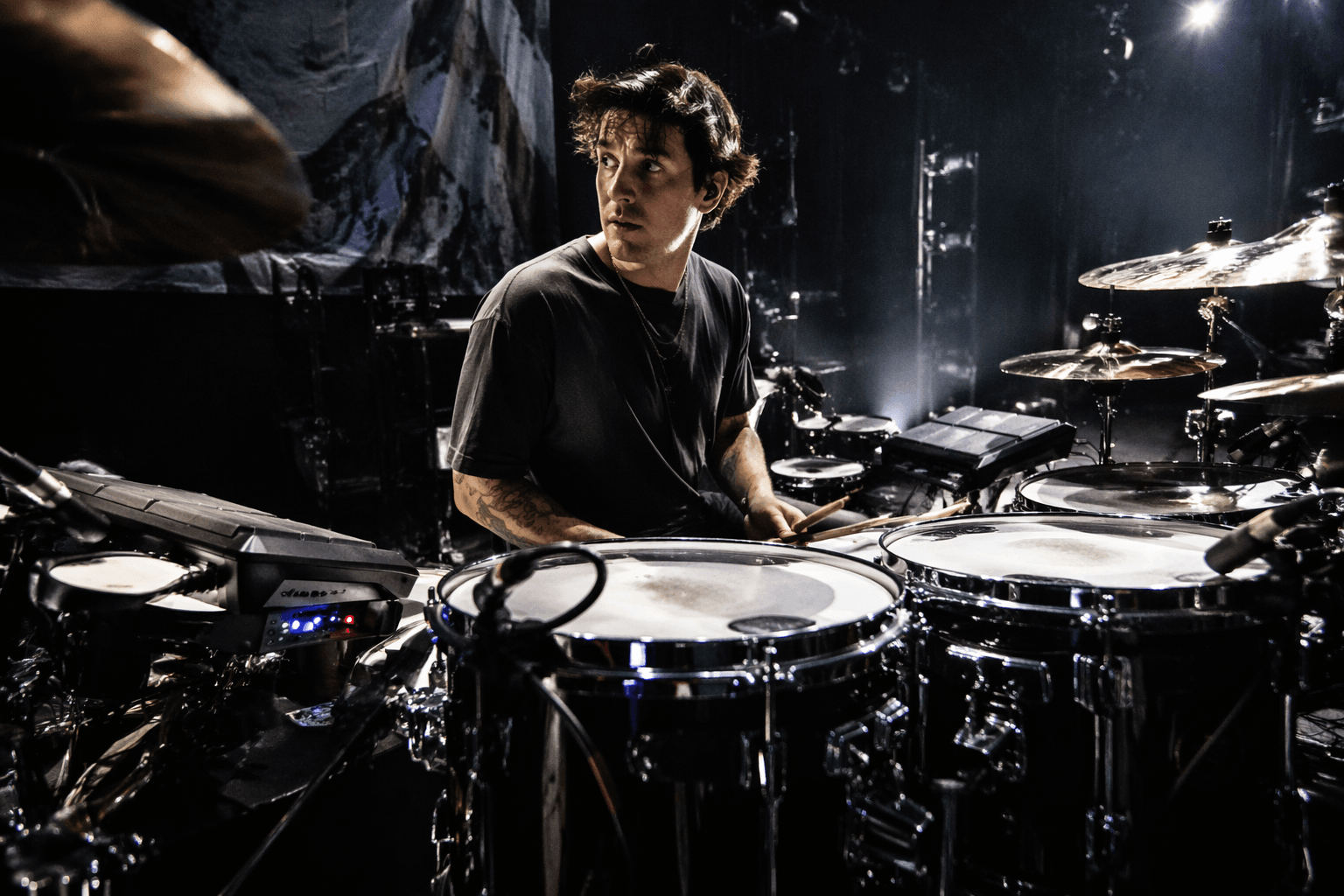
MusicRadar updates Roland e-drum guide for 2026 shoppers
MusicRadar’s refreshed Roland guide gives e-drum shoppers a current, tested shortcut through V-Drums choices for practice, stage, and home recording.
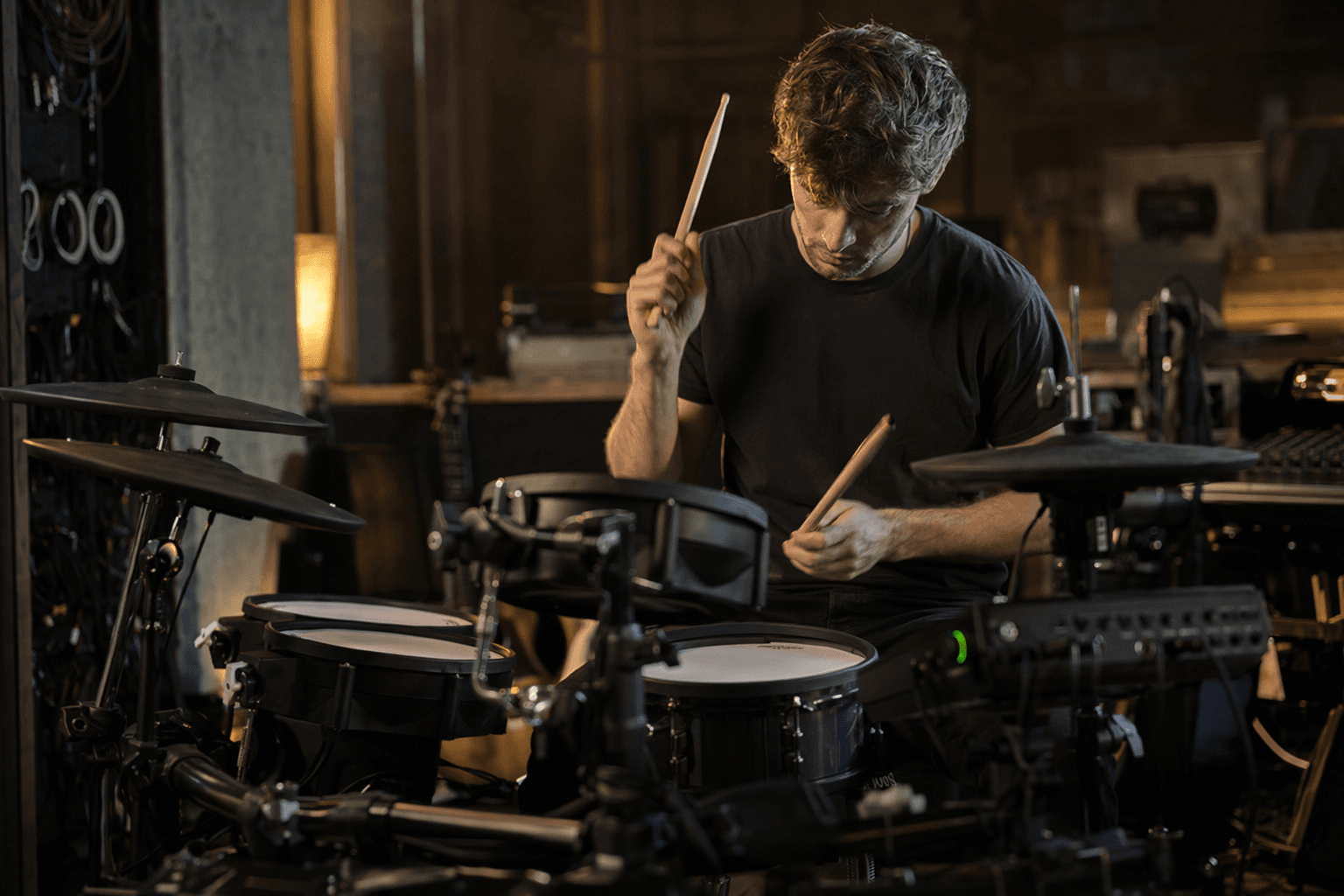
What the May 7 refresh changes for Roland shoppers
MusicRadar’s updated Roland e-drum guide does one job very well: it turns a crowded V-Drums lineup into a workable buying decision. The page was refreshed on May 7, 2026, which matters because this is not a frozen list being passed around out of habit, but a guide maintained against the current market.
That freshness is the real shift from older Roland recommendations. Instead of leaving players to sift through stale comparisons, the guide presents a tested and rated shortlist that reflects what a shopper is likely to encounter now across beginner, intermediate, and advanced levels. For drummers trying to separate marketing noise from the kits that actually earn a place in a practice room, rehearsal space, or home studio, that matters immediately.
Why this guide fits the way drummers actually shop
A Roland buying guide is rarely about brand loyalty alone. It is about matching a real setup to a real use case, and the strongest use cases in the current market are easy to name: apartment practice, compact stage rigs, and home-recording setups. Those are not interchangeable scenarios, and the guide’s value comes from acknowledging that the same V-Drums logo can mean very different things depending on where the kit lives.
The practical appeal is that MusicRadar does not treat the category like a spec-sheet contest. By framing the lineup as tested and rated, it gives players a clearer sense of which kits feel credible for daily use and which ones are better suited to stepping stones on the way to a more serious electronic setup. That is especially useful when you are deciding whether you need a compact footprint now or a kit that leaves room to grow later.
The decision points that matter most
Every drummer shopping electronic kits ends up asking the same core questions, even if the feature list looks different from model to model. How quiet can the kit be for apartment practice? How natural does the pad feel under the sticks? How convincing is the module when you want sounds that sit closer to an acoustic response? And if you start small, how cleanly can the rig be upgraded later?
That is where a guide like this earns its keep. Because it spans beginner, intermediate, and advanced levels, it gives players a map for moving from entry-level convenience to more ambitious setups without forcing them to compare dozens of configurations one by one. It is less about shopping by spec density and more about deciding how much realism, expandability, and live-use flexibility you actually need.
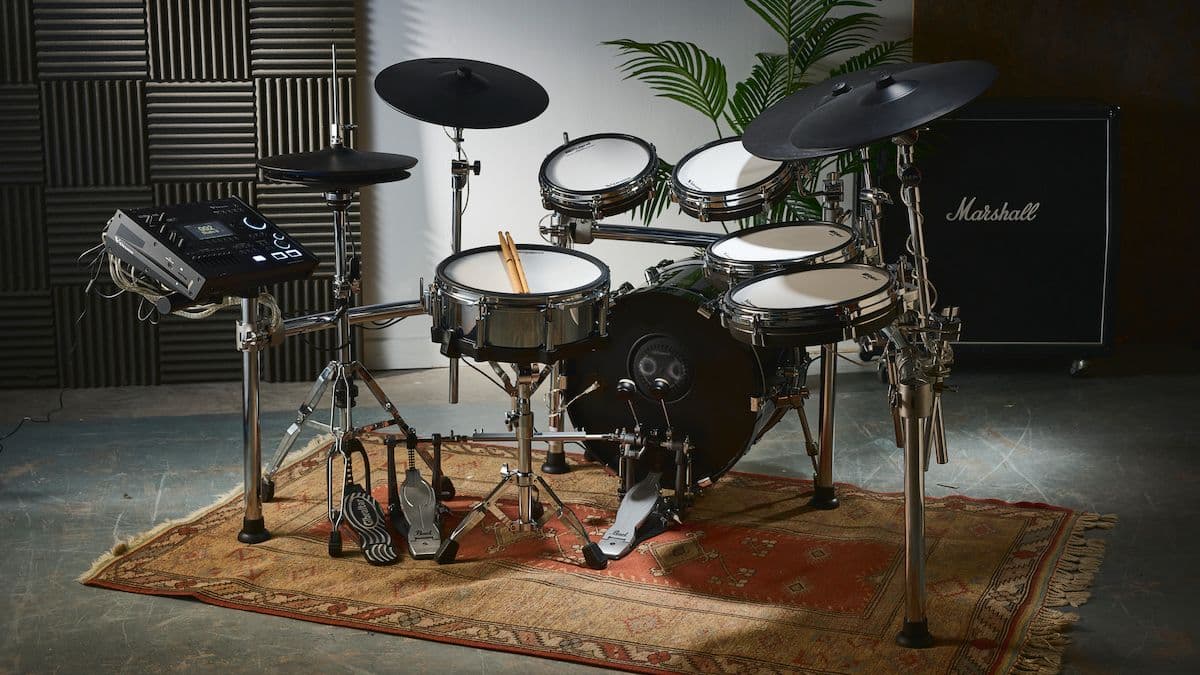
For many drummers, the hardest part is not choosing an electronic kit, but choosing one that will not feel like a dead end. A compact starter setup may be perfect for an apartment today, yet still need to connect sensibly to rehearsal or recording work later. A guide that organizes Roland’s lineup around those real-world tensions is more useful than a generic product dump because it speaks to the upgrade path as a living question, not an afterthought.
Why the tested-and-rated approach carries weight
MusicRadar’s guide is presented as tested and rated, and that is the detail that makes it more than a catalog. Electronic drums are one of those categories where feel matters as much as features, and the best way to understand feel is to see how a kit behaves in use. The inclusion of video demos pushes the guide beyond text alone, letting shoppers judge setup impressions and playing response in a more immediate way.
That is especially helpful for drummers comparing how a kit might translate from acoustic habits to electronic reality. A player coming from an acoustic set wants to know whether the pads invite a familiar stick response, whether the module sounds convincing enough to inspire practice, and whether the overall layout supports real playing rather than just quiet tapping. A guide that combines hands-on testing with video support gives those questions a more grounded answer than a raw comparison chart ever could.
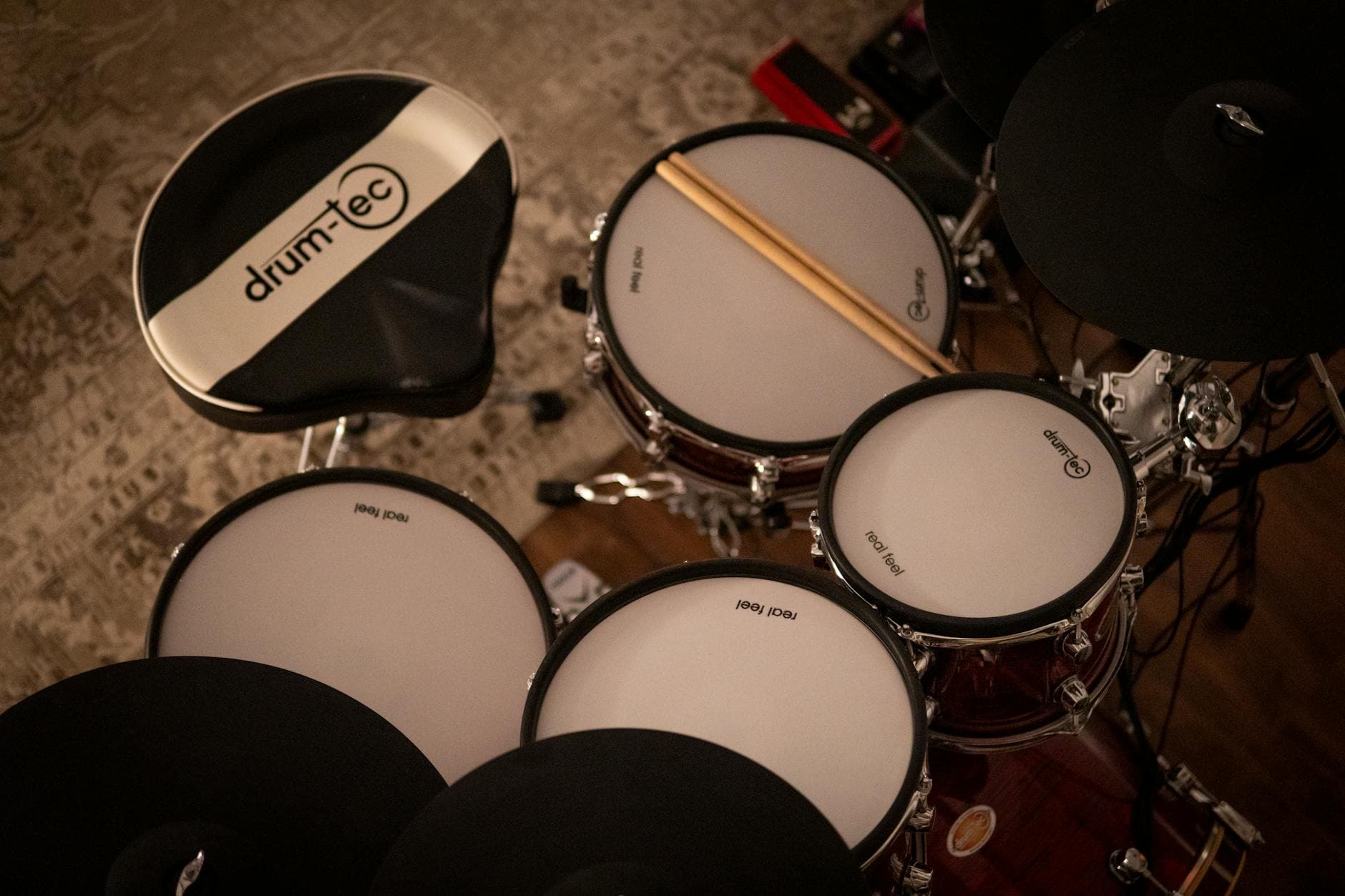
What Roland buyers should take from the 2026 update
The clearest takeaway is that Roland’s V-Drums range still spans the full ladder of electronic-drum buying, from first-kit convenience to more advanced setups, and MusicRadar’s refreshed guide reflects that spread in a way that feels current. The May 7, 2026 update tells you the recommendations are being maintained with the market, not left to age in place.
That makes the guide useful at the exact moment players tend to need it most, when they are weighing the practical stuff that actually decides a purchase: room size, noise, feel, realism, and future expansion. In a category as crowded as electronic drums, a current, tested, video-backed Roland guide does not just list options. It gives drummers a cleaner way to choose the kit that fits the space, the hands, and the next step.
This article was produced by Prism’s automated news system from verified source data, official records, and press releases, then run through automated quality and moderation checks before publishing. The system is built and supervised by the people who set the standards it runs under. Read our full AI policy.
Did this article answer your question?