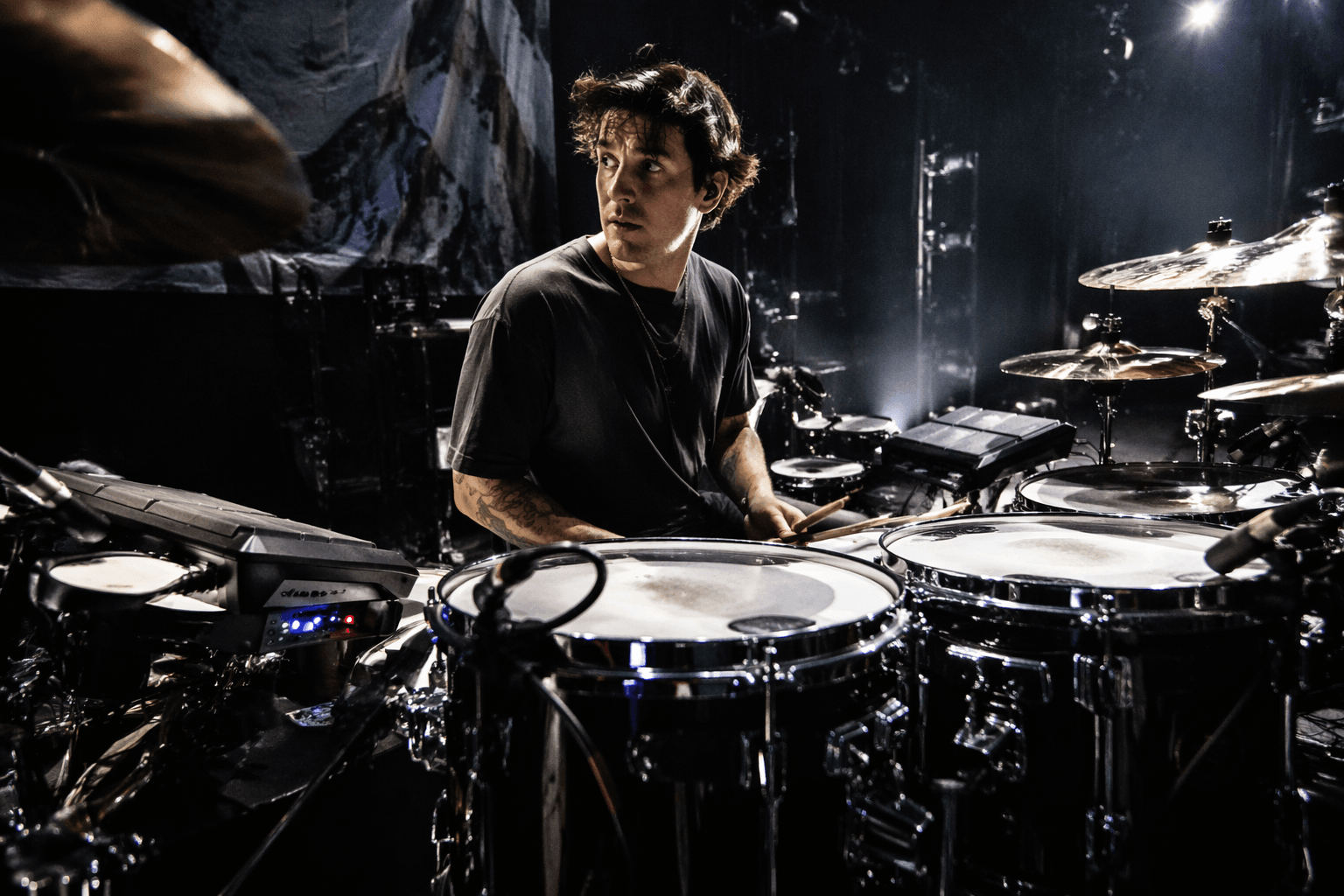
Polyend Drums debuts as a premium hybrid drum machine for performers
Polyend's new Drums pairs four analog voices with digital engines, live morphing, and deep sequencing, aiming to beat laptops at hands-on drum performance.
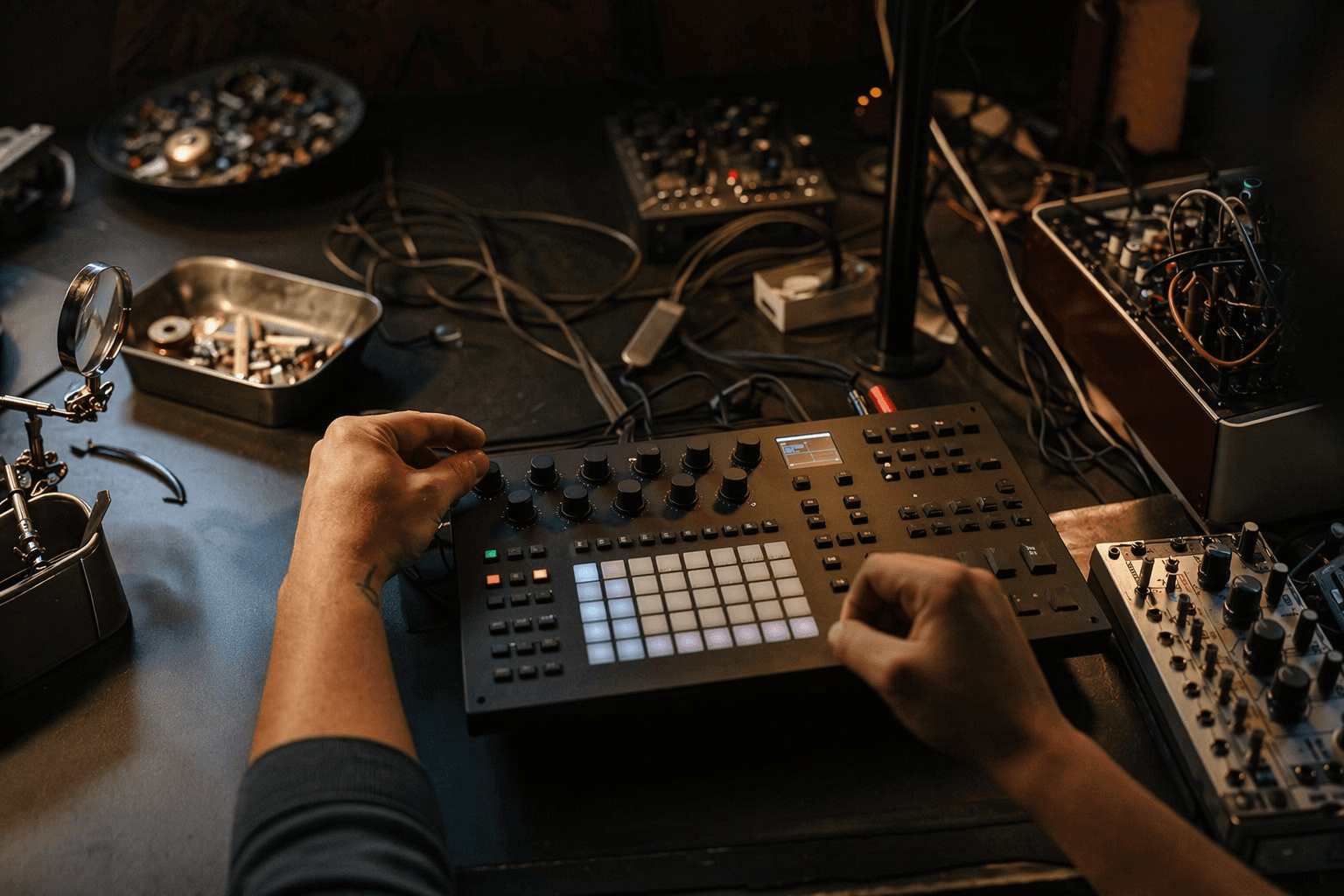
Polyend’s Drums arrived in Berlin with a clear job: make live drum programming feel immediate again. Unveiled at Superbooth 2026, the 8-track hybrid machine was framed as a premium performer’s tool, built to give drummers and beatmakers the kind of tactile control that a laptop session, a crowded groovebox, or an old-school drum machine setup often spreads across too many screens and menus.
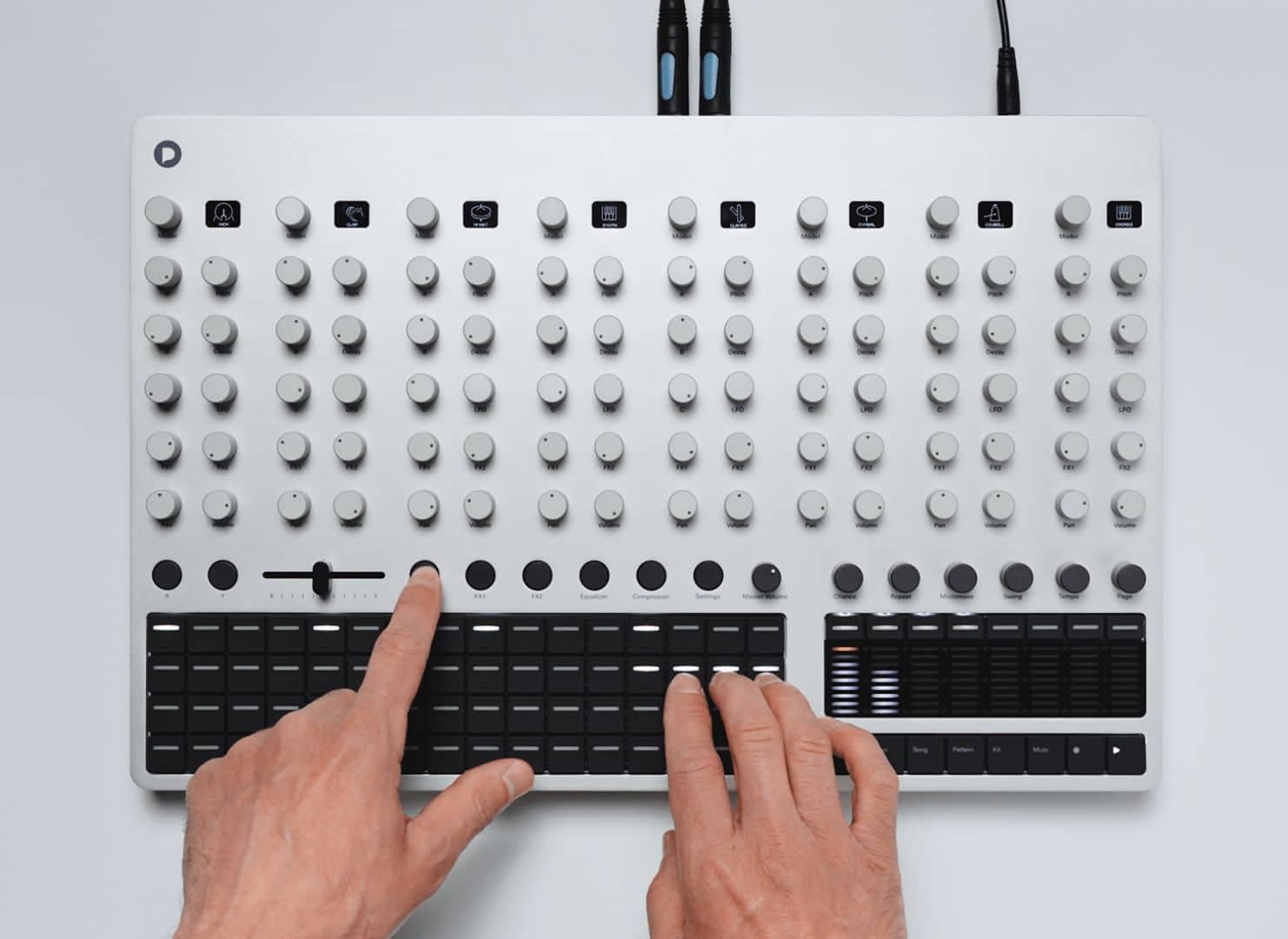
The hardware backs up that pitch. Polyend put Drums in a single-piece aluminum body with custom metal knobs and high-end components, then loaded the front end with four analog voices based on modern SSI chips. Each of those voices has dual analog VCOs, a dedicated noise source, and an extra digital oscillator, so the machine is not locked into static drum hits. The remaining voices can run digital synthesis engines or samples, and Polyend says the instrument offers more than forty instruments with mutation modes that open into hundreds of sound options.
That matters most on stage, where Polyend has shaped the sequencer around movement rather than setup. The product page lists per-track control, probability, micro-timing, pattern chaining, and generative tools, along with an X0Y fader for live kit morphing. Drums also handles instant fills and lets users switch patterns or sound kits without stopping playback, which is exactly the kind of detail that separates a true performance box from a studio sketchpad. Three effects groups, sends, inserts, and a master chain, mean the processing can become part of the rhythm instead of sitting after it.
The performance spec is equally serious. Polyend says internal processing runs at 32-bit floating point at 96kHz, with 24-bit, 96kHz conversion, and KVR’s Superbooth hands-on report said the production model includes 64-step tracks, 64 patterns, 64 kits, 48 song arrangements, eight LFOs, and eight individual drum outputs. For live players, those are not decorative numbers. They signal a machine built to carry a full set, not just a loop.
Price puts Drums firmly in flagship territory. MusicRadar reported a refundable $500 reservation deposit and a retail price of €/$2,699, with first units expected to ship in about three to four months. That cost will keep it out of casual range, but Polyend is also leaning on history: the company says Perc was its first product, and that it later built the world’s first standalone hardware tracker. With Step already in its pedal-format lineup, Drums reads as the company’s most direct return to serious rhythm hardware, and the strongest case yet that a dedicated box can still outplay a laptop when the beat has to move with the hands.
This article was produced by Prism’s automated news system from verified source data, official records, and press releases, then run through automated quality and moderation checks before publishing. The system is built and supervised by the people who set the standards it runs under. Read our full AI policy.
Did this article answer your question?