UC Davis Whole Earth Festival apologizes for drum circle appropriation
UC Davis' Whole Earth Festival apologized after ending a long-running drum circle, sparking a lesson for organizers on where community jamming becomes appropriation.
When does a public drum circle stop being open music-making and start becoming appropriation? UC Davis’ Whole Earth Festival answered that question by apologizing for a tradition that had sat at the center of its spring weekend for 50 years.
Festival organizers said in a public statement that they were sorry for “instances of cultural insensitivity and appropriation” in the event’s history, adding that some practices had “commodified and misrepresented cultures of marginalized communities.” The apology said the festival, founded in 1969 as an art project centered on environmental stewardship, wellness and activism, had at times appropriated elements of Indigenous, Black, Asian, Pacific Islander, Latinx and Middle Eastern cultures. Organizers said they would center diversity, equity and inclusion in future planning by working directly with cultural practitioners and reviewing programming, policies and partnerships.
The backlash was immediate among longtime attendees and students, many of whom said the decision to draw a line around the drum circle felt baffling after decades of the activity being presented as an inclusive part of the festival’s identity. The Whole Earth Festival has long described itself as a free, student-run Associated Students of UC Davis unit that welcomes more than 30,000 people every Mother’s Day weekend at the UC Davis Quad. For a gathering that has built its reputation on wellness, sustainability and open participation, the apology landed as a sharp correction to one of its best-known rituals.
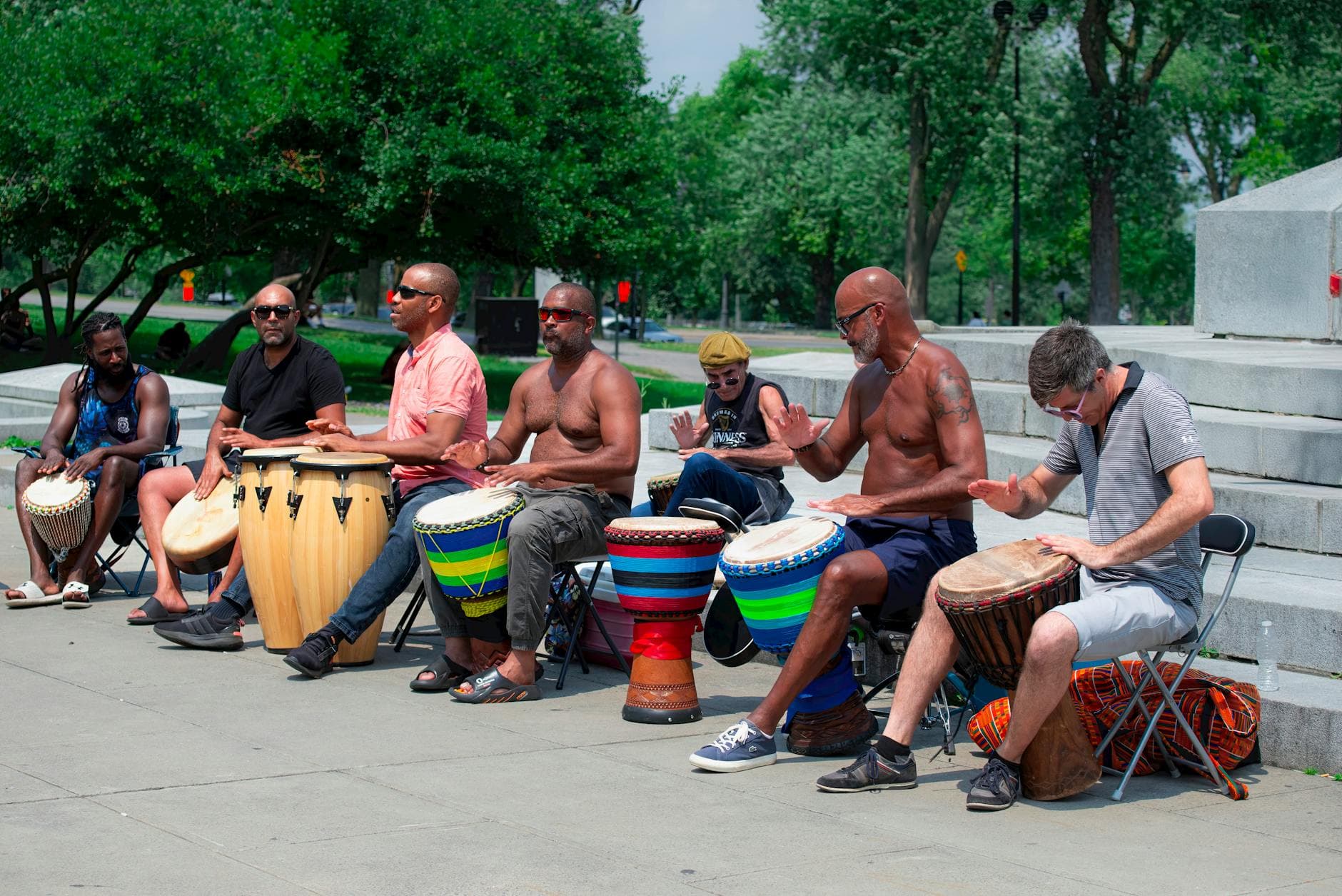
This was not the first time the festival had tried to answer criticism over cultural borrowing. In 2022, The California Aggie reported that co-director Cozette Ellis said organizers had decided “to not facilitate or allow a drum circle to take place” after concerns from student groups about cultural and religious appropriation. That same report said the festival changed the name of the “Karma Dome” to “Festival Dome,” added staff training and worked with the ASUCD Ethnic and Cultural Affairs commissioner to identify and eliminate cultural appropriation. At the time, the festival had about 41 student staff members and was still drawing roughly 30,000 people.
The argument now reaching drumming circles far beyond Davis is practical, not abstract: if a public drum circle is going to be more than a feel-good jam, organizers need to know whose rhythms they are invoking, who is leading them and whether the event is built with cultural permission, not just good intentions. UC Davis’ apology made that boundary impossible to ignore.
This article was produced by Prism’s automated news system from verified source data, official records, and press releases, then run through automated quality and moderation checks before publishing. The system is built and supervised by the people who set the standards it runs under. Read our full AI policy.
Did this article answer your question?