Advanced Dungeons and Dragons, Highport campaign still inspires modern Greyhawk tables
Highport still works because it turns geography, factions, and pressure into play. The Slave Lords arc is a ready-made lesson in how to build a campaign that keeps moving.
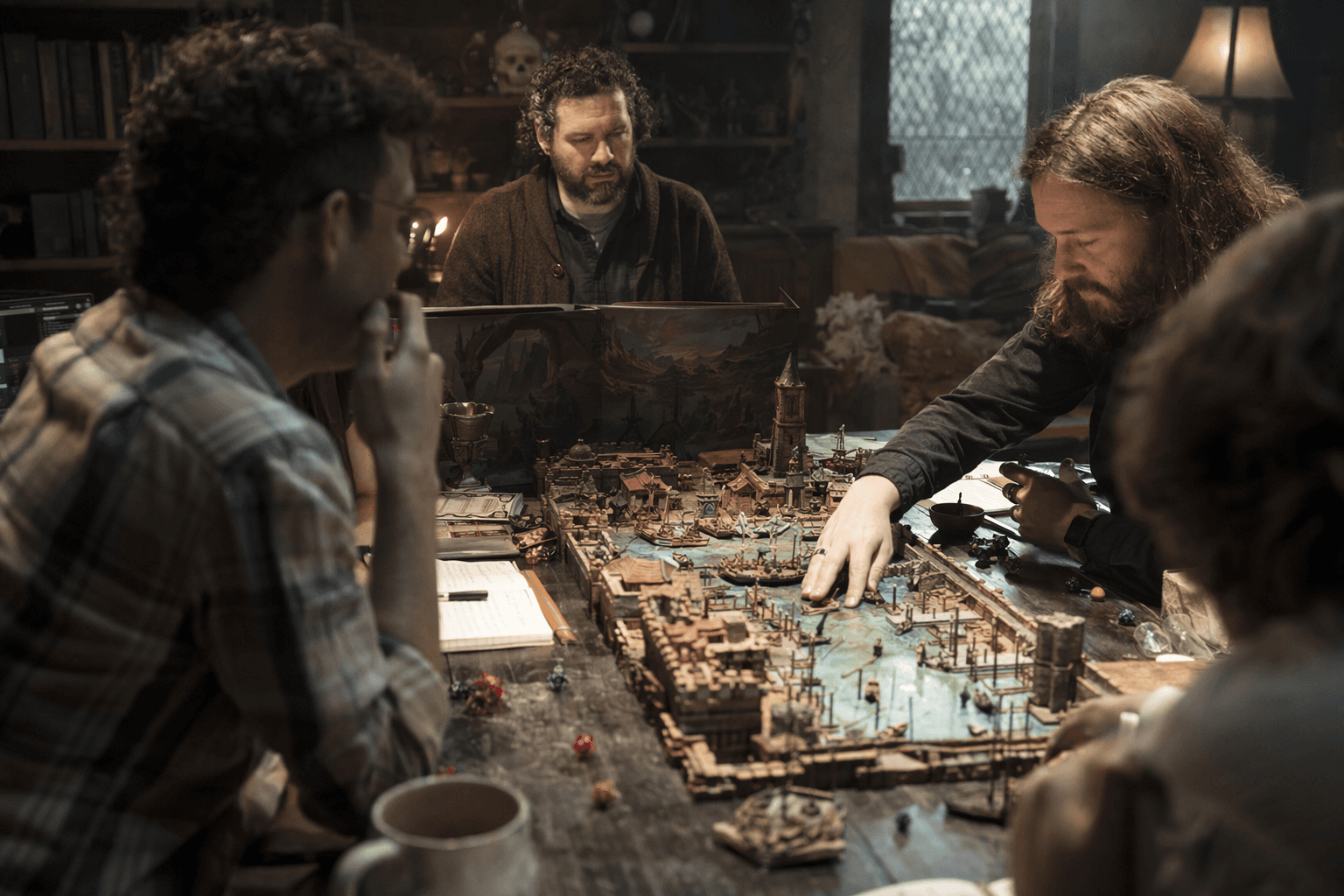
Why Highport still grabs the table
The Slave Lords arc still feels alive because it is built from moving parts that matter in play right now: a strong place, a clear enemy, and a route that turns travel into pressure. Geek Native’s guide to Advanced Dungeons and Dragons: Lowdown in Highport points straight at that strength by mapping a run from Nyrond to the Pomarj while the party tracks the Slave Lords through the World of Greyhawk.
That is the real reason modern DMs keep circling back to it. The adventure is not memorable simply because it is old. It works because the setting and the scenarios reinforce each other, so the world keeps pushing back while the characters keep pushing forward. When you run that kind of material well, the table starts generating its own stories, and those stories carry the campaign beyond the printed page.
What the Slave Lords sequence actually gives you
The original sequence first appeared in 1980 and 1981 as four linked AD&D modules: A1 Slave Pits of the Undercity, A2 Secret of the Slavers Stockade, A3 Assault on the Aerie of the Slave Lords, and A4 In the Dungeons of the Slave Lords. The collected Scourge of the Slave Lords version makes an important point for modern DMs: the modules were connected, but they were not originally conceived as one fully designed campaign path.
That matters because it explains why the material adapts so cleanly. You are not wrestling with a rigid story machine. You are working with modular adventures that can be lifted into Greyhawk as written or imported into another campaign setting with surprisingly little strain. If you like to build campaigns out of strong episodes instead of a single rail, this is the kind of old AD&D structure that still pays off.
Highport is the engine, not just the backdrop
Highport is the hinge that makes the whole arc feel dangerous. In the module background, the Slave Lords raid the coastal lands of the Sea of Gearnat from a decayed, despoiled city. A2 describes the slavers’ base in the decayed city of Highport, and A4 places that base in Highport in the wasted Pomarj.
That detail is more than flavor. It gives the DM a pressure point the players can understand immediately: the slavers are not hiding in a vague wilderness, they are coming out of a ruined port city with a clear geographic identity and a grim reputation. If you want the adventure to feel modern at the table, lean into that. Make Highport feel like a place where trade, corruption, and fear all occupy the same street.
A practical way to run it is to treat the city as the campaign’s loudest rumor. Let every coastal problem trace back to Highport. Let merchants, refugees, and rival factions mention the same name. By the time the party reaches the Pomarj, Highport should already feel like a location they have been fighting for sessions without having entered it once.
How to run it for a modern group
If you want to use the Slave Lords arc in a 5e-adjacent campaign, keep the bones and update the numbers later. The structure is already doing a lot of the heavy lifting for you: travel, investigation, faction pressure, and dungeon escalation all build on one another. That means the conversion work is mostly about presentation, pacing, and encounter tuning, not rebuilding the entire adventure from scratch.
A useful approach looks like this:
- Use Nyrond as the starting point if you want the party to begin inside a recognizable political world before the chase begins.
- Keep the journey to the Pomarj on screen, because the map route helps the adventure feel like a campaign instead of a sequence of disconnected rooms.
- Make each stop on the way reveal a new piece of the Slave Lords’ reach, so the villains feel organized rather than incidental.
- Treat Highport as the campaign’s recurring symbol of rot, then let the final dungeons feel like the hidden machinery behind that rot.
- Fold character backstories into the chase. The old modules work best when the party has a reason to care about who gets hurt if the Slave Lords keep winning.
That last point is where the old design becomes especially useful. The article’s core insight is that a strong world and strong adventures encourage memorable characters to emerge naturally. You do not have to force those characters into existence. Put them under enough pressure, and they start defining themselves.
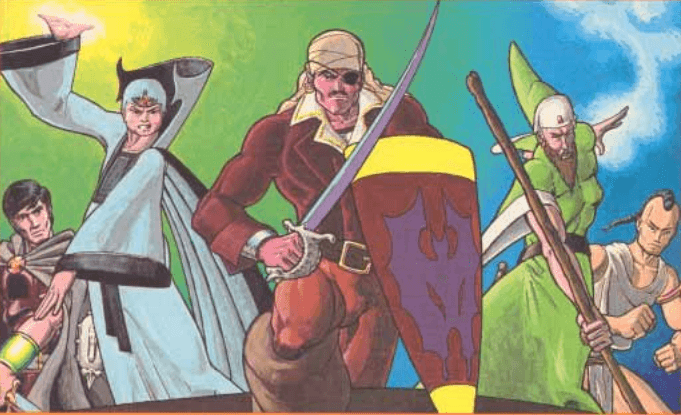
Why this still fits Greyhawk-style play
Greyhawk has always rewarded DMs who like setting, faction, and consequence to matter at the same time. The Slave Lords sequence is a clean example of that style because the map and the mission are tied together so tightly. You are not just moving from one encounter to the next. You are crossing a political and geographic wound in the setting.
That is also why Greyhawk remains such an important part of D&D history. The arc shows a version of adventure design where location is not scenery, but structure. A decayed port, a coastal raiding network, and a ruined region like the Pomarj all shape the action before a single initiative roll happens. If you are building a Greyhawk campaign now, that is the lesson to steal first.
How to get the material back on the table
If you want the original ruleset in hand, several Advanced Dungeons and Dragons books are available in print-on-demand form through DriveThruRPG, including the Player’s Handbook, Dungeon Master’s Guide, Monster Manual, Unearthed Arcana, and Against the Slave Lords itself. That makes the material easy to access as a working reference instead of a collector’s trophy.
That accessibility matters because the old modules are not just interesting to read. They are playable tools. A DM can pick up the books, study the structure, and start building a Greyhawk-leaning campaign that feels immediately grounded in a known style of adventure. For tables that want the texture of classic AD&D without losing modern convenience, that is the sweet spot.
Why the legacy still shows up in current D&D
Wizards of the Coast marked Dungeons & Dragons’ 50th anniversary with an official Superdrop in August 2024, and it also ran a D&D 50th Anniversary Play Series for in-store organized play that same year. That anniversary push is a reminder that the line’s old material is not sealed off from the present. It is part of the living brand, part of the active conversation around what D&D has been and what it still can be.
That is why Highport keeps getting resurfaced. It gives you a compact lesson in how to build a campaign that feels like it has geography, memory, and momentum. The Slave Lords arc still teaches the same thing it always did: when the world is vivid enough, the adventure does not end when the module does. It keeps going in the hands of the table that runs it.
This article was produced by Prism’s automated news system from verified source data, official records, and press releases, then run through automated quality and moderation checks before publishing. The system is built and supervised by the people who set the standards it runs under. Read our full AI policy.
Did this article answer your question?

