D&D Beyond shows how to build your own Domain of Dread
Wizards is finally showing how to build a custom Domain of Dread, and the advice is immediately usable at the table. The new Ravenloft preview turns horror worldbuilding into a practical campaign tool.
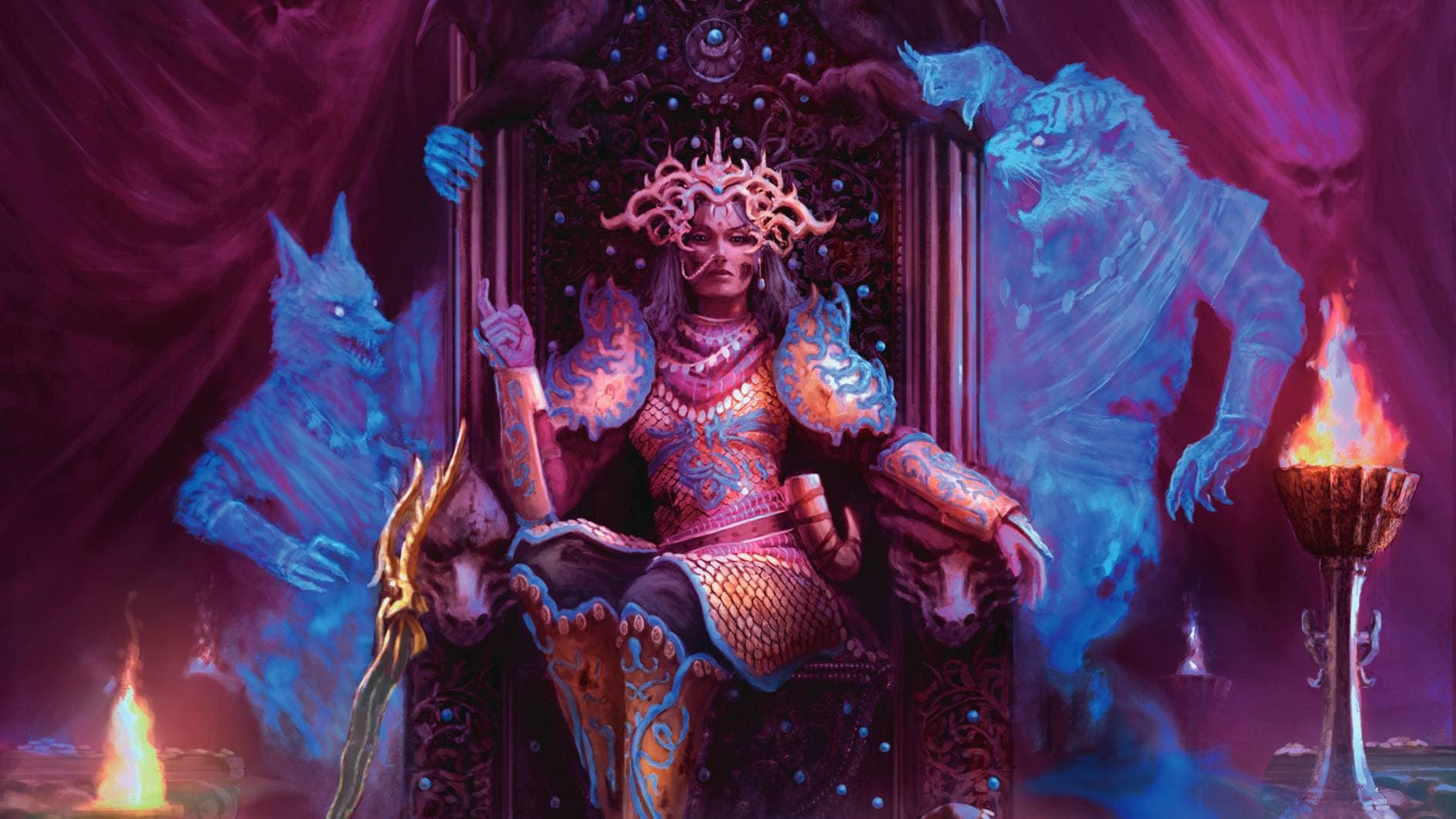
Wizards is making Ravenloft a buildable toolkit, not just a nostalgia play
D&D Beyond’s new guide on building your own Domain of Dread does something more useful than tease another haunted castle. It shows DMs how to turn a Darklord into a full horror engine, and that is the real headline in this stretch of Ravenloft coverage. With Ravenloft: The Horrors Within set to release on June 16, 2026, and local game store early access beginning June 2, Wizards is clearly positioning the book as part of D&D’s 2026 Season of Horror, not just another setting refresh.
The package itself is loaded for table use. Official product copy says the 288-page book includes 16 Domains of Dread, 17 Darklords, 7 subclasses, 4 species, 4 backgrounds, 11 feats, 68 monsters, and 47 maps. The Ultimate Bundle goes further with 28 digital quickplay maps and a physical Tarokka Deck made up of 54 fully illustrated cards. That kind of inventory matters because it tells you what Wizards is selling here: not lore for its own sake, but the raw material for a horror campaign that can start fast and keep moving.
Start with the Darklord, then build everything around the wound
The most immediately useful lesson in the new preview is that the Domain should be a mirror of its Darklord. That means the land, the mood, and even the sensory details should all express the villain’s obsession and flaw. If you want the domain to feel alive at the table, you do not begin with a spooky map or a cursed manor. You begin with the person at the center of the nightmare.
The guide pushes DMs to ask a few key questions before drawing a single border: who was the Darklord before they became one, what flaw or obsession pushed them into madness, and what the party will actually experience once they enter the domain. That last question is the one that turns Ravenloft from atmosphere into play. The best Domain of Dread is not just creepy on paper, it creates a specific kind of pressure on the players every time they touch the world.
Strahd von Zarovich is the clearest example in the article, and for good reason. The point is not that he simply wants love in some broad gothic sense. He wants one particular soul, and his inability to possess it becomes the engine for the entire domain’s misery. That is the model the preview wants DMs to steal: one fixation, one fracture, one world warped so hard it can barely hide the shape of the person ruining it.

Treat the domain like a horror set, not a lore entry
The practical brilliance of the article is how granular it gets after that. It tells DMs to think about smell, color, symbols, weather, cultural habits, scarcity, architecture, and the local excuses people use to pretend everything is normal. Those are not decorative details. They are the signals players read when they are trying to decide whether the village is simply poor, or poor in a way that belongs to a nightmare.
That is the shift this preview makes so clear: Ravenloft is being framed less as a fixed canon locale and more as a framework for personalized horror. A Domain of Dread should feel like the setting itself is participating in the villain’s obsession, which means the best design work is part writer’s room and part set dressing. If the Darklord’s flaw is control, then the streets, the rituals, the food, and the architecture should all imply control even when nobody says it out loud.
Official Ravenloft guidance has long said DMs can build custom domains and darklords using established horror tropes or their own blend, and this article leans directly into that freedom. That matters because it gives you permission to stop treating Ravenloft like a museum of old monsters. You can use the classic tools, but the point is to make something that feels like it belongs to your table’s nightmare, not someone else’s chapter heading.
The bigger Ravenloft package is built to support that approach
Wizards has been laying the groundwork for this for a while. Official materials say Ravenloft first appeared in an Advanced Dungeons & Dragons module originally published in 1983, and Van Richten’s Guide to Ravenloft brought the expanded Domains of Dread back into Fifth Edition in 2021. That history matters because the new book is not inventing the concept from scratch, it is building on a long-running design tradition that has always mixed monster lore with personal horror.
The new preview coverage makes that tradition feel even more actionable. D&D Beyond’s companion material says each of the 16 Domains of Dread in Ravenloft: The Horrors Within comes with a ready-to-run one-shot and campaign-arc support, which is a strong signal that Wizards wants DMs to move from reading to running quickly. The separate official preview that explains each Domain of Dread as a prison for a Darklord, whose crimes drew the attention of the Dark Powers, reinforces the same idea: the setting is built around consequence, not just aesthetic.
Taken together, the book and its companion coverage suggest a very specific kind of Ravenloft play. You get classic domains, but you also get a template for making your own. You get one-shots for fast entry, campaign support for longer play, and enough monsters, feats, subclasses, species, backgrounds, and maps to keep the horror moving once the table is inside the Mists.
What you can actually steal for your next horror arc
If you are building a Domain of Dread this week, the preview hands you a straightforward workflow:
- Choose the Darklord first.
- Define the obsession or flaw that made them monstrous.
- Pick the horror flavor that best matches that character.
- Shape the domain’s weather, architecture, symbols, and scarcity around that obsession.
- Decide what everyday life looks like for the people trapped there.
- Make sure the party feels the domain’s lie before they learn its truth.
That is the real value in this pre-release coverage. Wizards is not just selling Ravenloft as a setting book; it is teaching DMs how to turn a villain into a place, and a place into an encounter the table will remember. In a season built around horror, that is the kind of design advice that earns its keep the first time the dice hit the table.
This article was produced by Prism’s automated news system from verified source data, official records, and press releases, then run through automated quality and moderation checks before publishing. The system is built and supervised by the people who set the standards it runs under. Read our full AI policy.
Did this article answer your question?

