D&D Beyond spotlights eight Arcana Unleashed subclasses for magic-focused builds
Arcana Unleashed is being sold as a build-first magic line, with D&D Beyond framing eight subclasses as the real payoff for players who want the Weave to define the whole character.
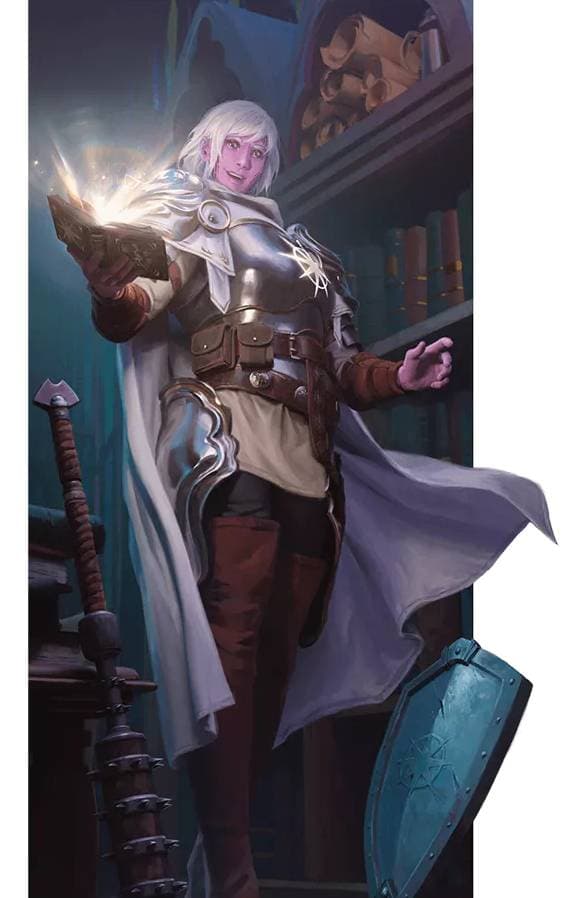
Arcana Unleashed is not being pitched as a lore box with a few spell lists attached. D&D Beyond’s July 21 spotlight puts eight subclasses at the center of the release, and the rest of the preview trail makes clear this is meant for characters who live and die by spellcasting, control, and magical identity. If your next build needs the Weave to be the main event rather than a side perk, this is the part of the line that matters.
A release built for spell-first characters
The headline value here is practical: Arcana Unleashed is being presented as a 2026 magic-forward release line, not a vague teaser. The July 21 post lands after a July 16 preview of nine new backgrounds and feats, plus June 18 designer insights and the June 17 and March 4 partnered content schedules, which gives the rollout a clear cadence. That kind of staged reveal tells players exactly what the line is trying to support at the table: tighter magical identities, more specialized builds, and more reasons for a character to feel tied to arcane power from session one.
1. The monk lane for players who want magic in motion
The Unearthed Arcana PDF titled “Unearthed Arcana 2026 Mystic Subclasses” points to one of the clearest build problems Arcana Unleashed is trying to solve: how to make a martial feel mystical without bolting magic on awkwardly. Its Monk option, Warrior of the Mystic Arts, signals a character concept built around blending discipline, movement, and supernatural technique. That is the kind of subclass that appeals when you want your turn to feel like a sequence of practiced magical strikes instead of a standard ki routine.
2. The paladin lane for warding, not just smiting
Oath of the Spellguard is the strongest clue that Arcana Unleashed is also aiming at defensive magical play. The name alone points to a paladin who stands between allies and hostile spellwork, which is a very different fantasy from the usual holy striker. At the table, that matters when the party needs a front line that can absorb pressure from enemy casters and still keep the fight under control.

3. The rogue lane for stealing the other side’s tricks
Magic Stealer pushes rogue design toward a very specific table problem: what happens when the enemy’s best move is magic. A subclass built around theft rather than simple mobility or sneak attack damage gives rogue players a way to make spell disruption part of their identity. That kind of hook is especially useful in campaigns where enemy wizards, enchanted objects, or magical defenses are doing more work than steel and hit points.
4. The warlock lane for power that feels ancient or residual
Vestige Patron is the most intriguing name in the playtest set because it suggests a warlock bound to what remains after some older force has faded. That sets it apart from the cleaner, more familiar patron structures, and it gives the subclass a tone that is less bargain and more relic. For players, that means a warlock fantasy rooted in fragments of old power, which is a strong fit if you want your pact to feel haunted, incomplete, or dangerously archival.
5. The 2024 Player’s Handbook baseline matters
The playtest PDF does more than name the subclasses. It explicitly uses the rules in the 2024 Player’s Handbook, which tells you Arcana Unleashed is being built against the newer rules chassis rather than treated as a legacy compatibility exercise. That matters for players because it suggests these options are meant to sit cleanly inside current character creation, not as one-off curiosities that only make sense if you are cross-referencing old books.
6. The preview cadence looks deliberate
Arcana Unleashed has been rolling out in pieces, and that sequencing is part of the story. The July 16 backgrounds-and-feats post came first, then the June 18 designer insights, with the June 17 and March 4 partnered content schedules framing how Wizards of the Coast was organizing its broader 2026 release flow. For D&D groups, that means the subclass spotlight is not isolated marketing noise, but part of a structured preview campaign that keeps feeding build options into the conversation.
7. The broader product line is much bigger than the subclasses
The bundle page for Arcana Unleashed shows why these subclasses are being treated as the core player hook. The line is tied to 8 arcane subclasses, 30-plus spells, 25-plus feats, 10 backgrounds, 9 arcane factions, 6 group patrons, and 45-plus magical items, including evolving magic items, plus a level 1 introductory adventure. That is a full support ecosystem for magical characters, and it explains why the subclasses are being spotlighted as the easiest entry point into the whole package.
8. This is where Arcana Unleashed looks distinct
Taken on its own, “master the Weave” could have sounded like familiar D&D branding. Put beside the subclass package, the spells, feats, factions, patrons, and magic items, it starts to look more like a dedicated magic design lane than a simple reskin of older arcane options. The real test at the table will be whether those eight subclasses create new decisions in combat, exploration, and party roles, but the pitch is already clear: this release wants spellcasters to feel built, not borrowed.
That is the useful takeaway from the July 21 spotlight. Arcana Unleashed is setting up eight subclasses as the reason to care, and the whole preview run says Wizards wants those builds to do more than cast spells, they are meant to shape the way a session plays out when the dice start rolling.
This article was produced by Prism’s automated news system from verified source data, official records, and press releases, then run through automated quality and moderation checks before publishing. The system is built and supervised by the people who set the standards it runs under. Read our full AI policy.
Did this article answer your question?