Hasbro launches AI studio for licensed interactive characters, D&D fans watch closely
Hasbro’s new AI studio could open the door to licensed, interactive characters, but D&D fans are asking what that means for official dungeon masters and NPCs.
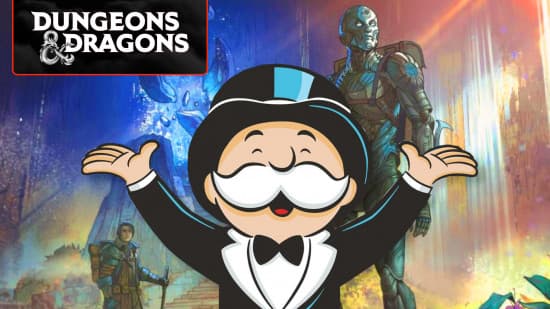
The big question for Dungeons & Dragons players is not whether Hasbro can make a chatbot talk. It is whether the company is building a licensed path for AI dungeon masters, NPC companions, and other branded storytelling tools that could one day sit closer to the table than any fan-made experiment.
Hasbro unveiled Sixth Wall, an AI studio built to license authorized interactive versions of its characters to outside partners. The company says the system is built around CharacterOS and a licensing model it calls behavioral licensing, which goes beyond appearance and into how a character speaks, reacts, and behaves in real time. That matters for hobbyists because it points to a future where a licensed version of a brand could be packaged not just as art or a voice, but as a personality with rules.
The launch roster is packed with familiar Hasbro names: Optimus Prime, Mr. Potato Head, Cobra Commander, Mister Monopoly, and the cast of Clue. More characters are promised later. Hasbro says the characters will use real voice performances and operate inside guardrails meant to preserve brand authenticity and block unauthorized use, a setup that could appeal to app makers and game studios that want something official-looking without wandering into the gray area of scraping fan favorites.
For D&D fans, the most interesting part is what was not on the list. No Dungeons & Dragons characters were included in the first wave, even though Hasbro owns Wizards of the Coast. That leaves the door open, at least in theory, for a future where Wizards or licensed partners could create tightly controlled interactive versions of iconic settings, NPCs, or villains, while keeping a firmer grip on how Forgotten Realms and other D&D properties are used in digital products.

That possibility sits right next to a real tension inside the company. Wizards has already told freelancers not to use generative AI in the production of Dungeons & Dragons and Magic: The Gathering, reinforcing the message that those games are made by people, for people. Sixth Wall suggests Hasbro is not backing away from AI so much as trying to decide where it is allowed to live, and who gets to profit from it.
For the D&D community, that is the whole spell slot here. If Hasbro can turn character control into a licensing product, the next frontier may not be another generic AI tool, but official-looking companions, storytellers, and NPCs with a corporate seal on every response. The roll to watch is whether that future stays at the level of the brand, or makes its way to the table.
This article was produced by Prism’s automated news system from verified source data, official records, and press releases, then run through automated quality and moderation checks before publishing. The system is built and supervised by the people who set the standards it runs under. Read our full AI policy.
Did this article answer your question?

