How the 2024 Dungeon Master’s Guide reshapes D&D session prep
The 2024 DMG turns session prep into a sequence: know your players, shape the session, then plug in Greyhawk, Bastions, and ready-to-run adventures.
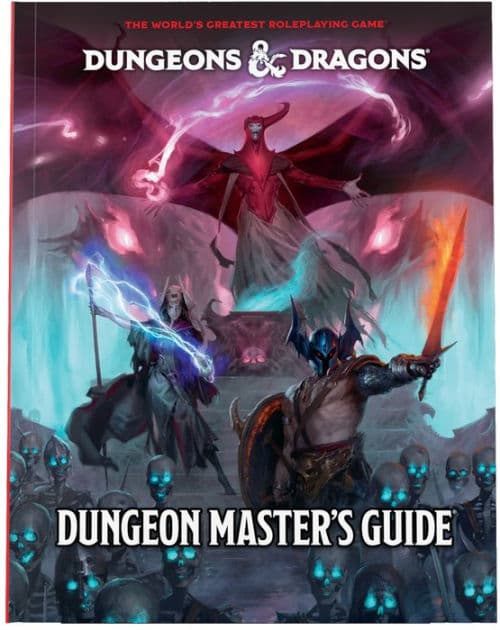
The 2024 Dungeon Master’s Guide is built for the moment every DM knows: you have a game on the calendar and a blank page in front of you. Instead of treating the book as a shelf reference, the revised 384-page DMG pushes you through a prep sequence that starts with the basics, moves into running the game, and then hands you the tools to build adventures and campaigns. The real stress test is simple: can it get you to a runnable session faster than the old 2014 workflow?
A DMG that works like a prep route, not a vault of rules
Wizards of the Coast frames the 2024 book as a revised and expanded fifth-edition rulebook, and that matters because the redesign is less about changing D&D than about changing how you use the book. The new DMG is written for Dungeon Masters of all experience levels, with real-world advice, step-by-step campaign guidance, and examples of common pitfalls. That makes the book feel less like a reference you consult after you are stuck and more like a workflow you can follow before the first die is rolled.
The chapter layout reinforces that idea. Chapter 1, The Basics, gets the DM oriented. From there, the book moves through running the game and the DM’s toolbox before reaching Chapter 4, Creating Adventures, and Chapter 5, Creating Campaigns. By the time you reach Chapter 8, Bastions, the book has already taught you how to think in layers, from session prep to longer-term play.
Start with the table, then build the session around it
The most useful shift in the 2024 DMG is that it starts with your players instead of your plot. The prep process it encourages is straightforward: know who is at the table, decide what kind of experience you want the session to create, and then shape the adventure around those answers. That order matters because the book is trying to prevent prep paralysis, the familiar trap where a DM has ideas, notes, and enthusiasm, but no clear first move.
Chapter 4, Creating Adventures, is where that process becomes concrete. The source contents show that it includes step-by-step adventures, laying out the premise, drawing in the players, and separate sections for planning social, exploration, and combat encounters. That is the kind of structure a DM can use immediately: establish the hook, decide why the party cares, and then split the session into the three encounter modes the game actually runs on.
The chapter also gives you a practical way to move from concept to session plan. Instead of asking, “What adventure should I write?” the book asks you to define the premise, figure out how the characters get pulled into it, and then map the social scene, the exploration beat, and the fight that can end the night. That sequence does real work at the table because it turns a broad idea into a playable session outline.
What the book gives you on day one
The 2024 DMG is not just advice. It also comes packed with more than 400 magic items, new Bastion rules, and five ready-to-run example adventures designed for characters levels 1 through 7. Those adventures give the book an immediate utility that old-school prep guides often lacked, because you can start from a finished structure instead of writing every scene from scratch.

The Greyhawk material pushes that further. The book includes Greyhawk as a customizable campaign setting, which gives longtime players a familiar touchstone and newer DMs a place to anchor their prep. The example adventures are tied to locations near the Free City of Greyhawk, but they can be adapted to other settings, which means the book offers a complete launchpad without locking you into one world. That combination of setting, sample content, and mechanical support is what makes the DMG feel like a live prep tool instead of a static rules compendium.
Chapter 8, Bastions, adds another layer of usefulness. Bastions give you a longer-term structure for what happens between sessions, so the book is not only helping you run tonight’s game. It is also giving you a way to think about what the party builds, maintains, and returns to over time, which is exactly the kind of material that keeps a campaign from feeling like disconnected one-shots.
Where the DM still has to do the work
For all the structure, the 2024 DMG does not remove the DM from the process. It gives you the framework, but you still have to choose the actual premise, decide which adventure hook fits your group, and adapt the material if your campaign is not sitting near Greyhawk or the Free City. The ready-to-run adventures cover levels 1 through 7, but the book still expects you to make calls about pacing, tone, and how your table handles social, exploration, and combat scenes.
That outside work is not a flaw so much as the remaining job of being a DM. The book shortens the distance between “I want to run something” and “here is tonight’s session,” but it does not replace taste, judgment, or table knowledge. What it does replace is the old habit of hunting through a sprawling DMG and trying to reverse-engineer an adventure from scattered advice.
Why this version feels different from the 2014 DMG
The timing sharpens the contrast. The previous fifth-edition Dungeon Master’s Guide released on December 9, 2014, and the 2024 book arrived during Dungeons & Dragons’ 50th anniversary year. D&D Beyond treats the new DMG as the current rules reference, which makes the redesign more than a cosmetic update. It is the book the game wants you to reach for now when you are preparing a session, planning a campaign, or looking for a safer path from idea to table.
That is the core test, and the 2024 DMG answers it by making prep feel sequential instead of chaotic. When the clock is ticking and the table is waiting, the book’s biggest strength is not that it knows everything. It is that it gets you from the blank page to the first roll with a cleaner hand on the initiative order.
This article was produced by Prism’s automated news system from verified source data, official records, and press releases, then run through automated quality and moderation checks before publishing. The system is built and supervised by the people who set the standards it runs under. Read our full AI policy.
Did this article answer your question?

