Ravenloft's Reanimator artificer could break the game, ComicBook says
Ravenloft's Reanimator artificer looks like horror candy, but its scaling companion may make it a real optimization threat.

Ravenloft’s newest artificer is not just leaning into the graveyard vibe. It is raising a harder question for D&D builders: is this a flavor win, or a subclass that starts bending the table around it? ComicBook’s feature on *Ravenloft: The Horrors Within* argues that the Reanimator Artificer may be the most dangerous design in the book, and that alone makes it the subclass to watch.
Ravenloft is back in its most recognizable form
The broader pitch matters here because Ravenloft is not just another gothic label slapped on a rulebook. The setting is bound up with the long history of *Curse of Strahd*, the Domains of Dread, and the horror imagery that has helped define some of D&D’s most iconic material. That makes every new subclass in the line carry two burdens at once: it has to sell the mood, and it has to justify its place at a table that already has plenty of strong options.
*Ravenloft: The Horrors Within* is adding seven new subclasses, and ComicBook’s May 25 feature singles out the Reanimator as the one most likely to do more than look cool in a preview. That matters because Ravenloft releases are often judged on whether they can serve both story-first campaigns and players who want a build that holds up under pressure. The Reanimator, at least on paper, appears designed to meet both tests at once.
The Reanimated Companion is the whole story
The subclass’s defining hook is a Reanimated Companion, a minion controlled through necromancy and science. That combination gives the Reanimator a Frankenstein-style identity that fits Ravenloft’s horror aesthetic without becoming a one-note gimmick. It is the kind of feature that immediately tells you what the character does at the table before a single spell slot is spent.
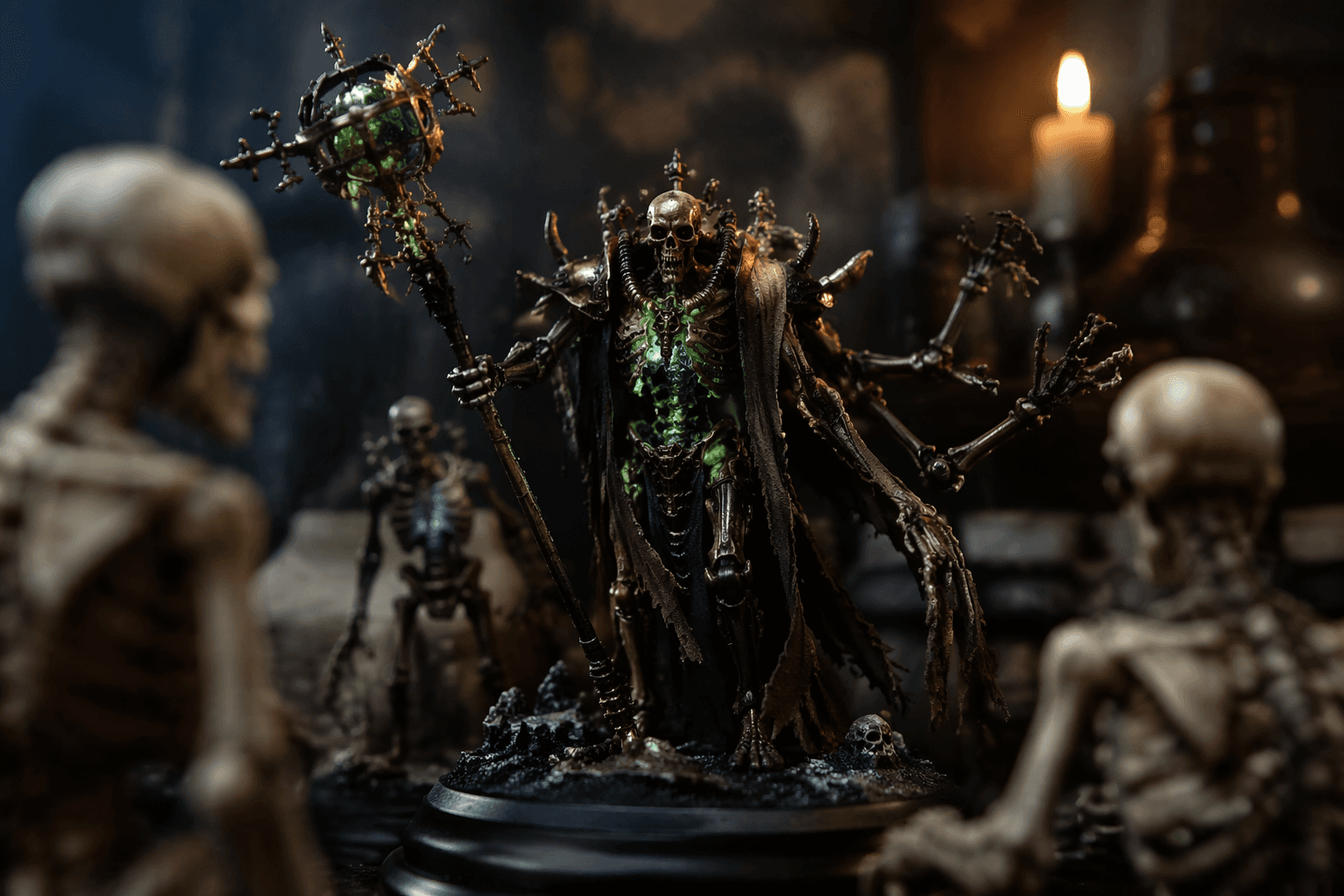
More importantly, the companion is described as growing in strength with the character instead of staying a static sidekick. That is the detail that pushes the subclass from “interesting concept” into “possible problem.” A companion that scales with the artificer can become a persistent source of pressure, utility, and battlefield presence across multiple tiers of play, which means it is not just there for theme. It is there to matter every round.
That is a big deal for action economy. In D&D, a durable companion can absorb attacks, occupy space, force enemies to split attention, and give the party another body on the board without asking for another full character slot. When that companion also keeps pace with the artificer’s growth, the subclass starts to sound less like a spooky novelty and more like a combat engine.
Why this is a power test, not just a flavor test
The real question is whether the Reanimator’s strength comes from a neat concept or from the kind of efficiency that quietly breaks encounters. A horror-themed pet class can be charming; a horror-themed pet class that keeps scaling, keeps contributing, and keeps the action economy tilted in your favor is something else entirely. That is why the article’s framing matters so much. It is not asking whether the subclass is cool. It is asking whether the subclass is too good to ignore.
That concern becomes clearer when you put the Reanimator beside the artificer’s existing heavy hitters. Battle Smith already has a reputation for turning a companion into a core combat piece, and Artillerist has long been one of the subclass’s most obvious damage-forward picks. If the Reanimator’s companion is sturdy, flexible, and strong enough to keep pace as levels rise, it could land in the same conversation immediately. If it also brings extra pressure through its necromantic and scientific identity, it may even edge past those established options for players who want maximum payoff from a pet-centric build.
The comparison to Alchemist is just as revealing. Alchemist tends to sell versatility and support, while the Reanimator looks like it may sell board control and action efficiency. That difference matters at actual tables. One subclass helps you cover more situations. The other can make a fight feel as if you brought another piece onto the board that never stops mattering.

How the build could play in real campaigns
In practice, the Reanimator looks especially attractive for players who like characters that can do more than one job without losing their identity. A companion that scales with the artificer suggests a build that can support allies, hold space in melee, and keep contributing even when the rest of the party is stretched thin. That makes it especially interesting in campaigns where encounters come in waves or where the battlefield changes fast.
It also gives the subclass a clear lane in horror games. Ravenloft thrives when every advantage feels earned and every ally feels fragile. A Reanimator turns that tension into a mechanic, giving you a companion that looks like it was stitched together in the dark but still has to prove itself round after round. If the companion survives long enough to stay relevant, the subclass does more than capture the setting. It becomes part of the setting’s danger.
That is why the strongest read on the Reanimator is not that it is merely a stylish option for Ravenloft fans. It is that it may be one of those rare subclasses where theme and optimization point in the same direction. The horror flavor is obvious. The real story is whether the numbers back it up.
By the time the Reanimated Companion hits the battlefield, the verdict should be clear. If it feels like a costume, the Reanimator is a neat Ravenloft flourish. If it feels like another piece of your turn economy that keeps winning fights, then this artificer is not just spooky. It is the kind of build that can change how the table counts its rolls.
This article was produced by Prism’s automated news system from verified source data, official records, and press releases, then run through automated quality and moderation checks before publishing. The system is built and supervised by the people who set the standards it runs under. Read our full AI policy.
Did this article answer your question?

