Wargamer maps every Dungeons & Dragons 5e book in release order
Wargamer’s release-order map turns 5e’s sprawling library into a buy-first roadmap, showing which books are essential and which are just table-shaping extras.
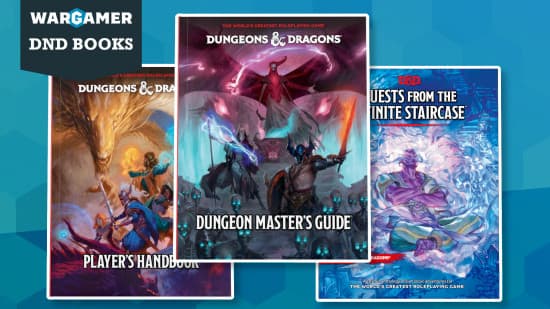
A release-order map that actually helps at the table
Wargamer’s every Dungeons & Dragons 5e book in order of release works like a field guide for the modern game, not just a checklist. It takes the edition from its 2014 launch through the newer 2024-era books and lays out a path that makes sense whether you are returning after years away or trying to decide what belongs on your shelf first.

That matters because 5e is not one clean stack of same-purpose books. The line began with the core rules, then spread into adventures, setting books, character-option expansions, and later refreshes that show how the game has changed over time. A chronological guide makes that progression visible in a way a random store page never can.
Start with the books that make play possible
If you want to actually play Dungeons & Dragons, the guide makes one thing clear: you usually need at least a couple of core books. The original 2014 trio, the Player’s Handbook, Monster Manual, and Dungeon Master’s Guide, forms the base of the edition and still defines how most tables think about 5e play.
That is the useful first filter for newcomers. The core books cover the essentials, while everything else builds outward from them. If you are buying with a budget, this is the point where the roadmap saves money, because it separates the books that open the door from the ones that expand what is already there.
How the 5e line grew beyond the core
Once the initial rules were in place, 5e quickly moved into adventures and expansion books. Wargamer’s list highlights titles such as Curse of Strahd, which sits among the best-known prewritten campaigns, alongside supplements like Xanathar’s Guide to Everything and Tasha’s Cauldron of Everything, which broaden player and DM options rather than replacing the core game.
That sequencing shows the real shape of the edition. First came the foundation, then came books that let tables do more with it: richer character build choices, new rules tools, and full campaigns ready to run. For a newcomer, that distinction is crucial, because it tells you the difference between a must-have rulebook and a nice-to-have expansion.
Setting books, character options, and the widening 5e toolkit
The release order also shows how 5e kept leaning into theme. Books like Van Richten’s Guide to Ravenloft and Fizban’s Treasury of Dragons are not just more content for the sake of volume. They reflect a period where setting flavor, monster lore, and character-facing options became a bigger part of the line’s identity.
That is one reason release-order reading is so practical. You can see 5e moving from broad, universal tools into books that serve a particular table style or campaign mood. If you love a specific corner of D&D, these are the kinds of supplements that tell you whether a book is central to your plans or only useful when you are building around its theme.
Why the 2024-era books matter
The guide does not stop at the original 5e run. It carries the line into the 2024-era books as well, which makes it useful for players who want to understand the current shape of D&D instead of only its launch state. That newer material sits at the far end of the sequence, showing how the edition has been refreshed rather than frozen in place.
For someone choosing what to buy now, this is where the chronology becomes a decision tool. The 2024-era books sit alongside the older core and expansion releases as part of a living library, not a museum shelf. The guide helps you see which books belong to the classic 5e framework and which reflect the newer direction of the game.
A buying guide, not just a catalog
What gives Wargamer’s list its value is that it does more than name books in order. It points readers toward what matters next, including the DnD release schedule guide for newer material and quick-reference explainers for classes and races when you need help building a character. That turns the page into an entry point instead of a dead-end archive.
For players coming back after a long break, that is the difference between feeling lost and feeling oriented. The list helps you understand where the edition started, how it broadened into adventures and setting books, and where the newer books fit into the same ecosystem. It is a simple idea with real table value: buy the core first, then branch into the books that match the kind of game you actually run.
What the release order reveals about 5e
Seen in sequence, the 5e catalog tells a story about priorities. The early books establish the rules, the middle years add famous adventures and popular option books, and the newer releases show a line that keeps updating while still leaning on the same foundation. That balance between core rulebooks, setting nostalgia, crossover-style products, and adventure support is what has kept the edition so sprawling and so recognizable.
For D&D players, that makes the release-order map more useful than a simple bibliography. It tells you where the game is required reading and where it becomes optional, where the most important entry points sit, and how the library evolved from launch-day basics into a much broader toolkit. If you are deciding what belongs at your table, that chronology is the cleanest way to sort the must-rolls from the extra dice in the bag.
This article was produced by Prism’s automated news system from verified source data, official records, and press releases, then run through automated quality and moderation checks before publishing. The system is built and supervised by the people who set the standards it runs under. Read our full AI policy.
Did this article answer your question?

