Peregrine falcon nest may delay Graff Bridge preservation work in Armstrong County
A peregrine nest under Graff Bridge put PennDOT’s Route 422 preservation work on the clock. The protected chick could force crews to keep their distance through nesting season.
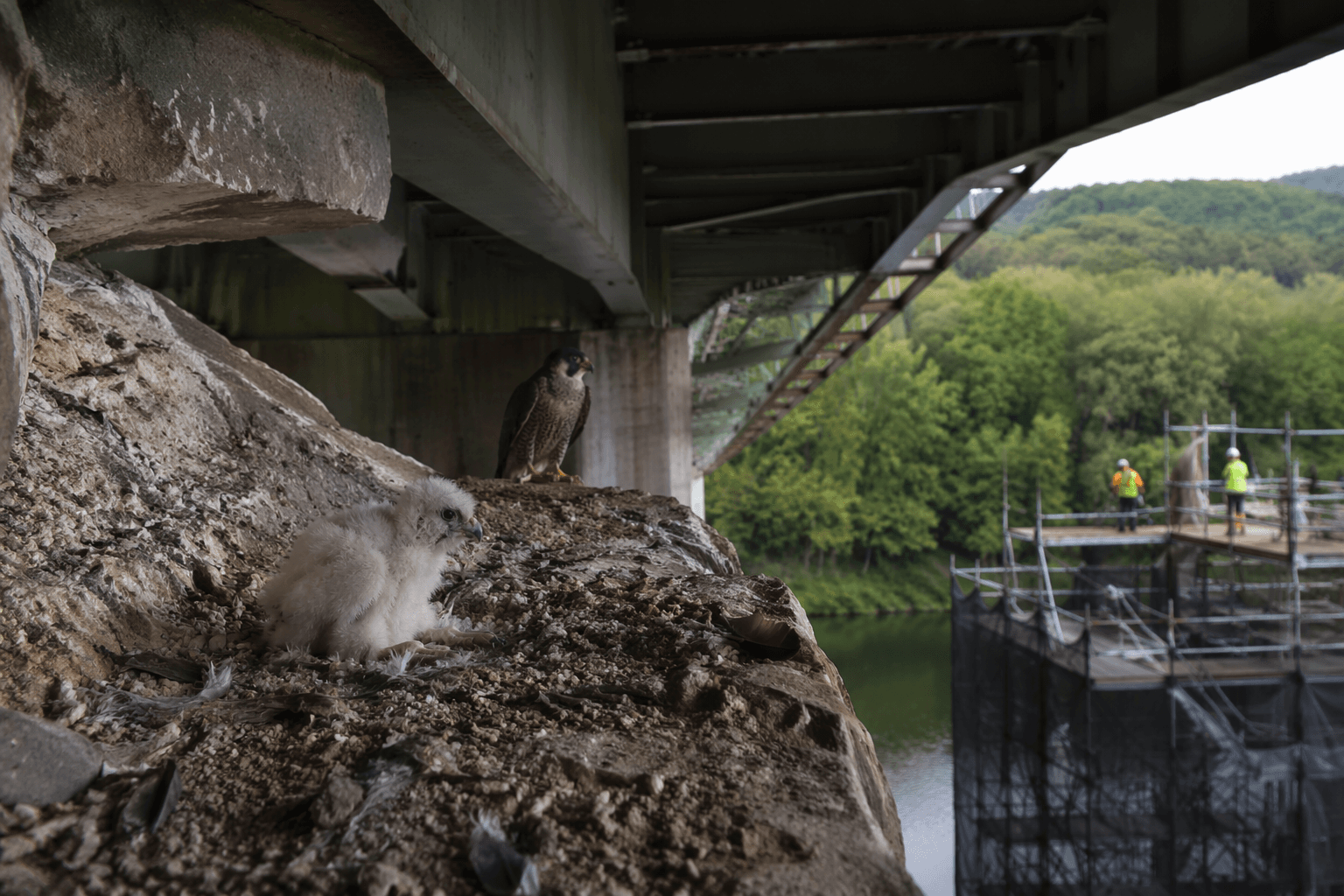
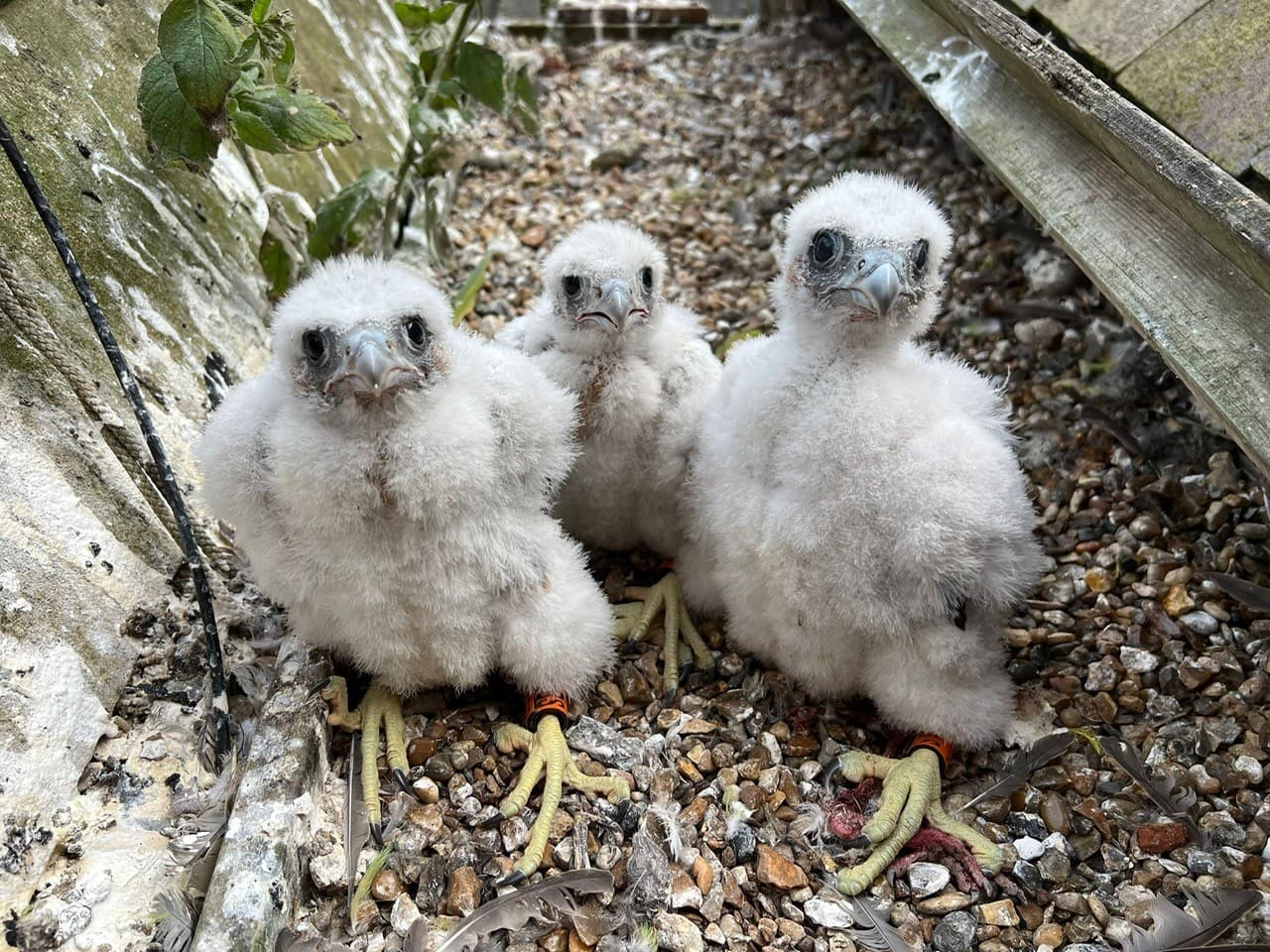
A federally protected peregrine falcon nesting under the west Kittanning side of Graff Bridge complicated PennDOT’s preservation work in Armstrong County, where Route 422 crosses the Allegheny River between North Buffalo and Manor townships. The bridge had already been reduced to one lane since April 2025, and the nest added another layer of timing pressure because the bird had at least one chick.
PennDOT’s Graff and Infantry Bridge preservation package was already forcing traffic changes on the corridor, including night closures on Route 66 South and South Water Street in June for bridge deck pours. The agency’s earlier project display put the Graff Bridge job at about $9 million, with construction anticipated for summer 2025 and traffic maintained with a single lane in each direction. Later updates expanded the picture, describing the broader Graff Bridge preservation effort as a $45.6 million project expected to run through November 2027, with related work tied to Route 422, Route 66, the Graff Bridge ramp over Route 422 and Garretts Run Road, and Garretts Run.
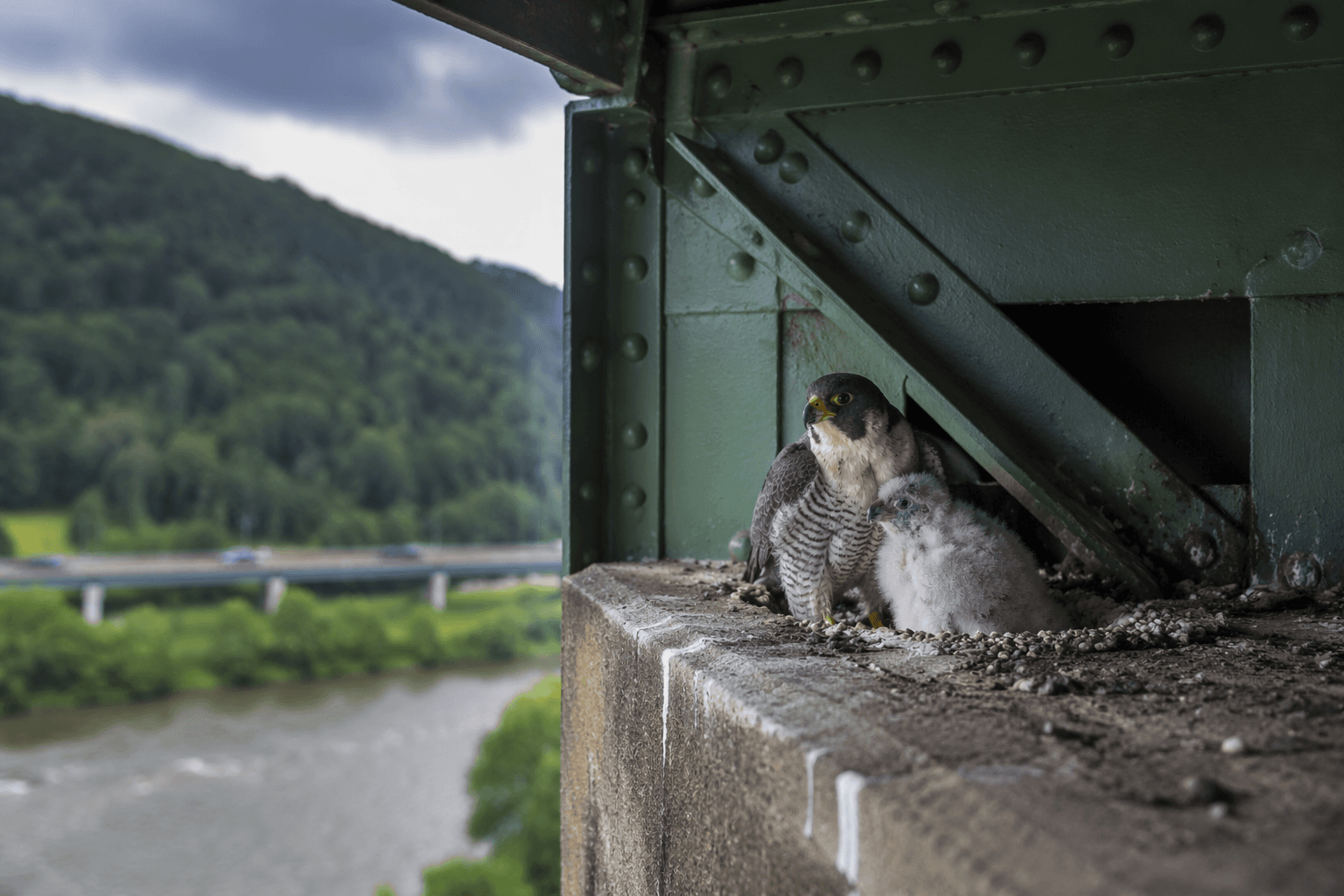
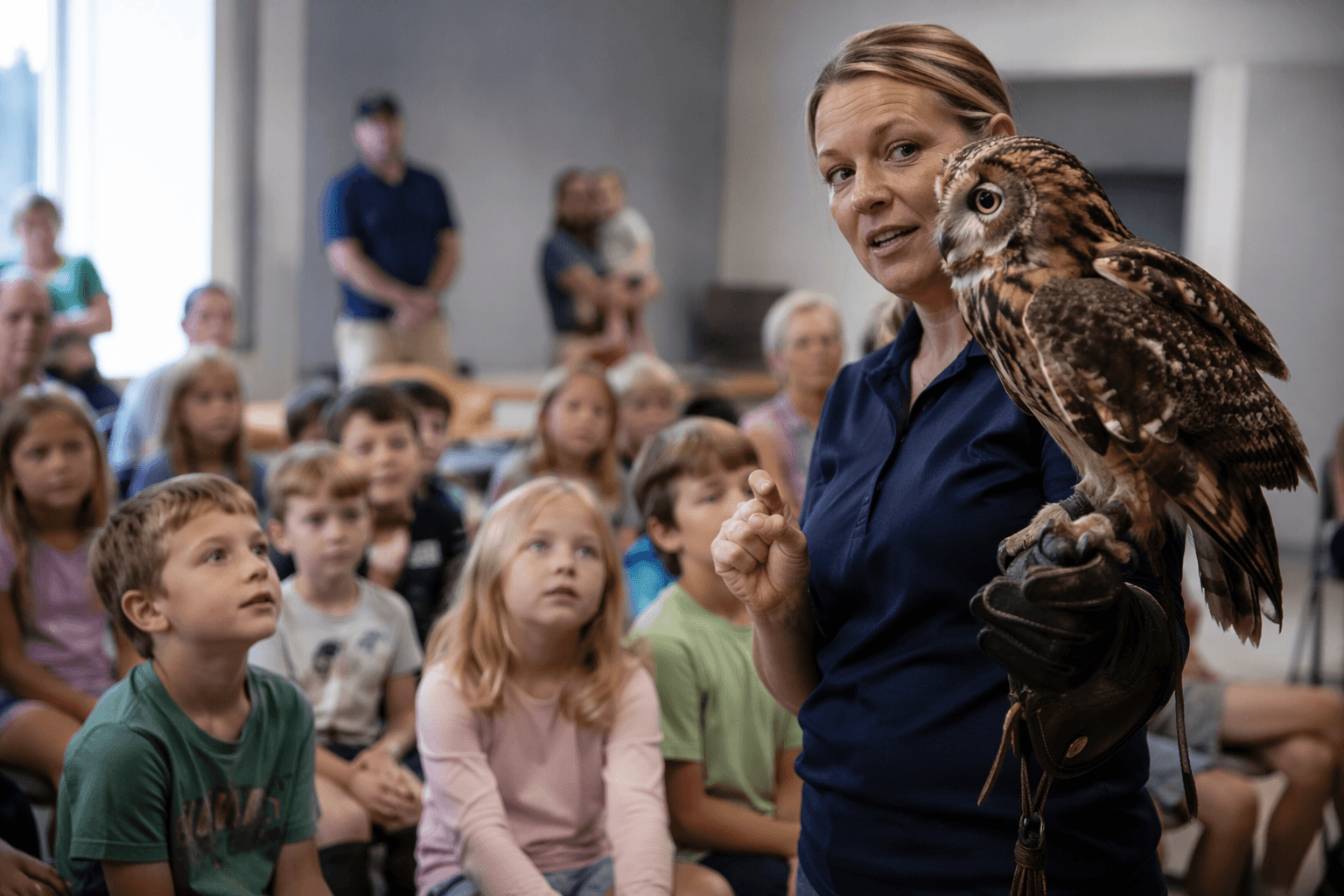
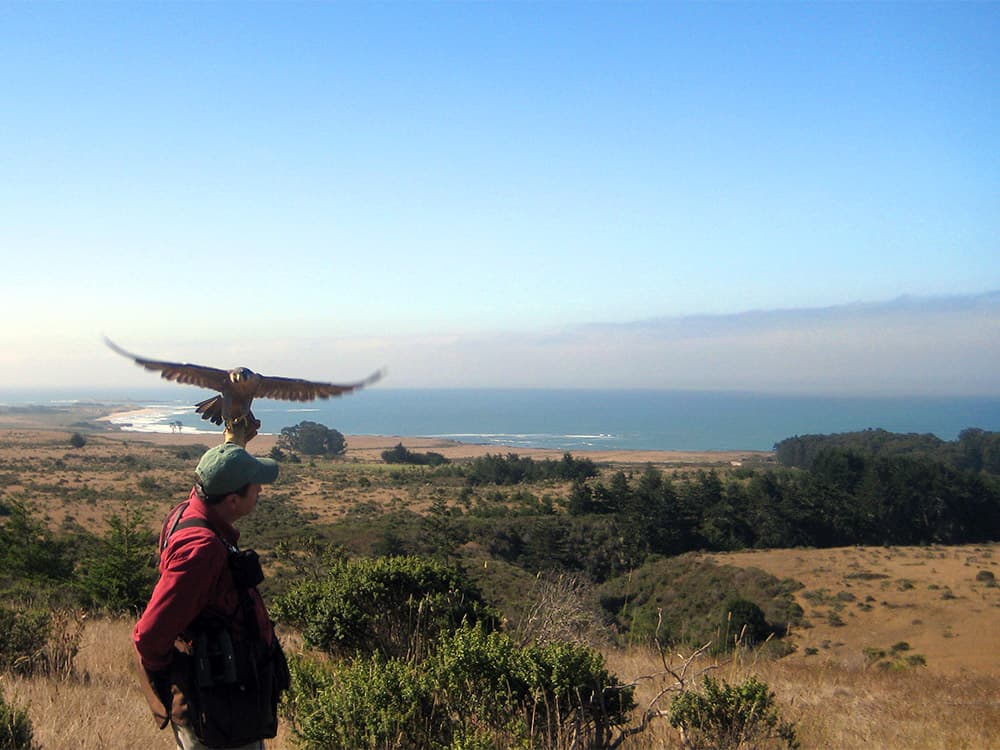
The nest matters because the bird cannot simply be moved. PennDOT said it would keep monitoring the area through the end of nesting season, and the timing is especially sensitive while a chick is still in the nest. For falconers, the scene is familiar: peregrines key on vertical structure, and bridges can function like cliff ledges in the built environment. The species hunts in daylight, takes other birds in high-speed stoops that can reach around 200 mph, and often uses structures that mirror its natural nesting instincts.
That adaptability sits alongside a long legal history. Audubon Society of Western Pennsylvania educator Chris Kubiak noted the species was once on the endangered species list and has made a remarkable recovery. Federal delisting came on Aug. 25, 1999, when the U.S. Fish and Wildlife Service removed the American peregrine falcon from the endangered and threatened species list. Pennsylvania now treats peregrine falcons as a recovered species protected under the Game and Wildlife Code and the Migratory Bird Treaty Act of 1918, and the state removed the bird from its threatened list in 2021. Pennsylvania Game Commission materials also note that releases in the 1990s helped drive the comeback.
That combination of recovery and protection is why a single nest can alter a bridge job in real time. On Graff Bridge, crews have to work around the bird, the chick, and the calendar, with the preservation schedule bending to a raptor that turned a highway structure into nesting ground.
This article was produced by Prism’s automated news system from verified source data, official records, and press releases, then run through automated quality and moderation checks before publishing. The system is built and supervised by the people who set the standards it runs under. Read our full AI policy.
Did this article answer your question?