2026 eFoils Shift From Novelty to Lightweight, Smart, Sustainable Designs
The eFoil market has moved from gadget to practical transport: lighter boards, smarter apps, modular repairs and greener materials make buying, renting and teaching easier.

The conversation around eFoils 2026 shows a clear shift in how riders, schools and rental businesses evaluate electric hydrofoils. The market is no longer driven by curiosity or novelty, but by practicality, scalability and smart design choices. Buyers are looking for b", Sloane Park, Original Report (09 Feb 2026).
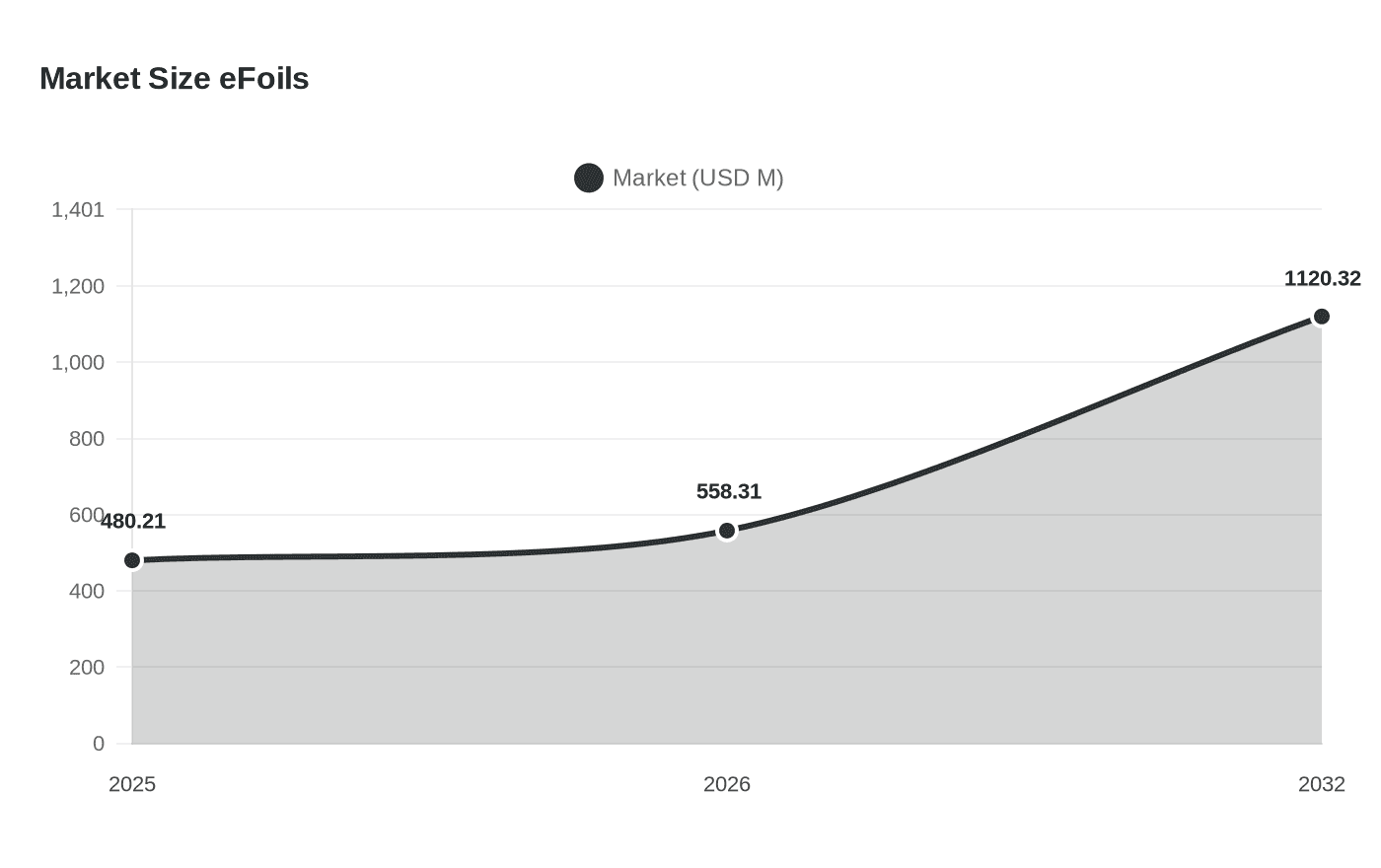
That shift is now visible across product lines and business plans. A January 2026 360iresearch report put the Efoil Boards Market size at USD 480.21 million in 2025 and expected it to reach USD 558.31 million in 2026, at a CAGR of 12.86% to reach USD 1,120.32 million by 2032. Industry commentary on LinkedIn projects a faster near-term climb, with a "Projected CAGR of approximately 15-20% over the next 3-5 years" and a market "expected to surpass USD 500 million by 2028." Prices remain high up front, but LinkedIn also notes that "While initial costs remain high (USD 10,000–20,000), declining component costs and increased competition are expected to reduce retail prices by 10-15% annually."
Design and engineering changes explain why. Archivemarketresearch highlights core shifts: "Integration of smart technologies: App-based controls, performance tracking, and diagnostics." and "Lightweight and durable materials: Continued use of advanced materials for improved performance and longevity." OpenPR sums the product focus: "Future eFoil boards will focus on enhancing performance, sustainability, and user experience." OpenPR also calls out construction changes such as "recycled composites and biodegradable components" and customization like "interchangeable foil wings and adjustable speed settings," plus safety basics including "automatic shutoff systems."
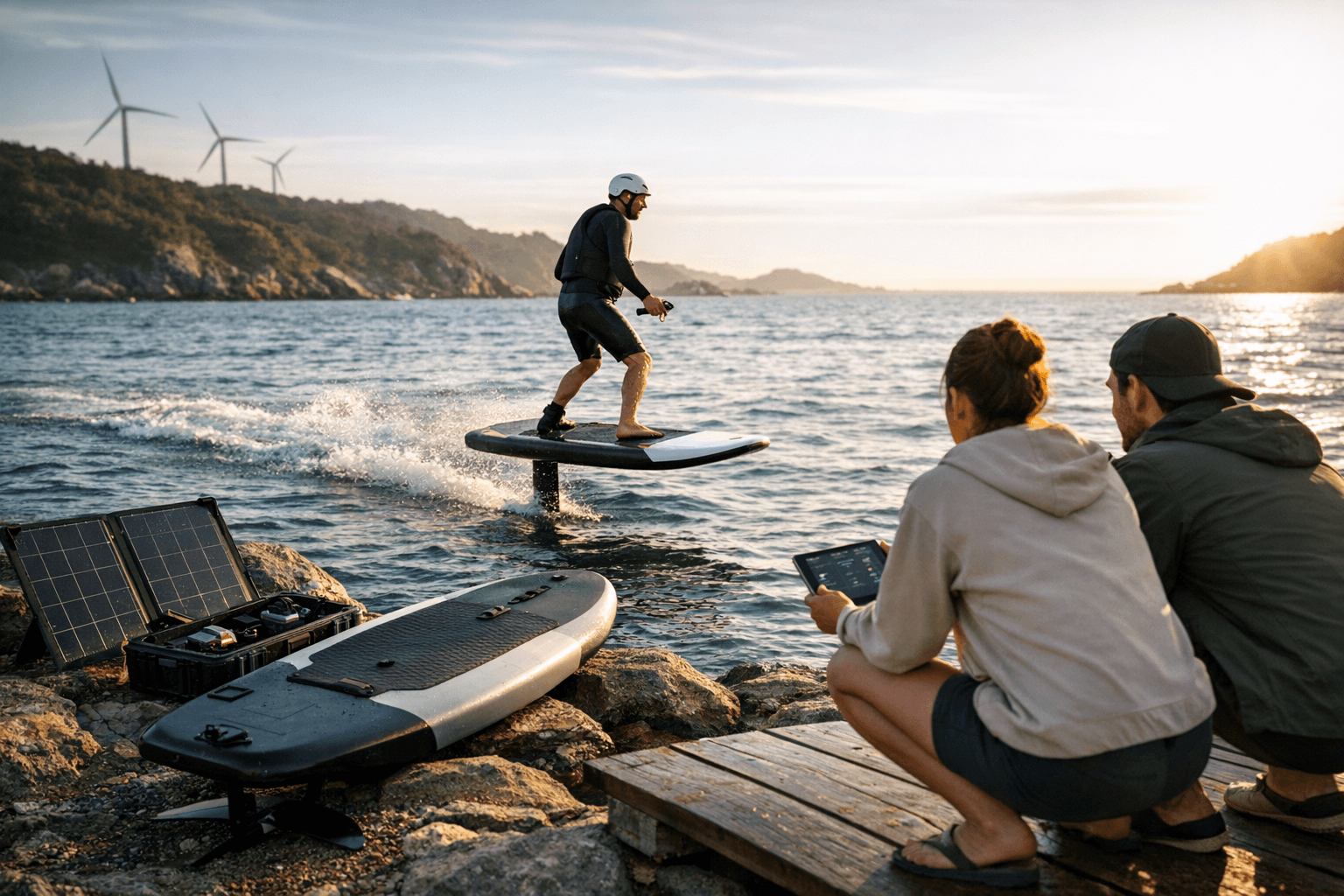
Manufacturers and brands are moving to use-case segmentation rather than one-size-fits-all boards. Popdust captures that movement and points to SiFly as a model: "This is where SiFly stands out as a reference point. By designing eFoils around clear use cases and modular ecosystems, SiFly reflects how the category is evolving and what modern eFoiling looks like heading into 2026." Popdust also names the Stellar series for riders chasing performance: "Performance-oriented riders are drawn to lightweight carbon boards like the Stellar series, which emphasize carving precision, wave riding, and direct control." Company messaging visible in press snippets echoes that, with OpenPR claiming "SiFly brings portability and performance together with a new generation of lightweight eFoil boards built for travel, everyday riding and global exploration." An ABNewswire fragment notes "Sifly Global Releases Comprehensive Guide to eFoil Pricing and Value for New Buy…" as part of that outreach.
Practical value for riders, schools and rental operators is straightforward. Rental fleets want reliability, predictable performance and modular parts for quick repairs; Popdust frames the priorities plainly: "Riders want predictable performance, rental operators want reliability, and families want accessibility without complexity." Look for fast-charging batteries, energy-efficient motors, app-based speed regulation, GPS tracking, and modular components that let you swap wings or replace a battery pack without sending a board to a factory.
What comes next is consolidation around these use cases. Expect more travel-ready, lightweight boards in rental fleets and more entry-level models built to shorten the learning curve, while high-end carbon platforms keep pushing performance. For buyers and operators, prioritize weight, serviceability, battery range and the presence of app safety features as the practical markers of a 2026-era eFoil.
Know something we missed? Have a correction or additional information?
Submit a Tip