Agnes Wicander Explains Women’s E‑Foil Racing: Training, Gear, Growth
Agnes Wicander broke down women’s e-foil racing tactics, gear tradeoffs, and growth in the SFT, giving riders practical training and setup advice to step up to competition.

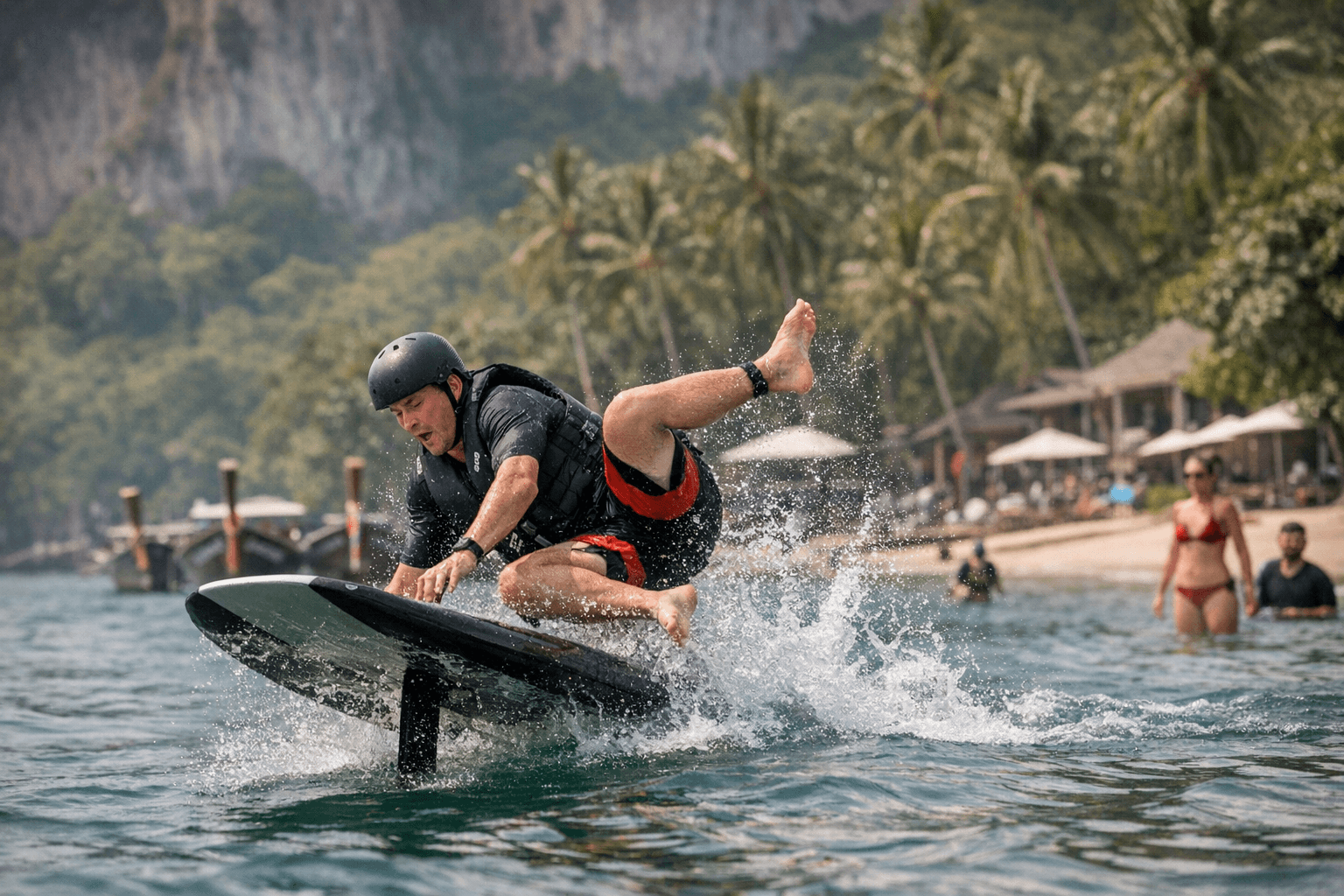
Agnes Wicander, Swedish e-foil racer and Waydoo ambassador, used episode #121 of the Foil Life Podcast to map a clear route from recreational riding to women’s Surf Foil World Tour competition. Her conversation, published January 21, 2026, focused on what makes e-foil racing distinct, how riders should train, what gear choices matter, and why expanding women’s fields is reshaping the sport.
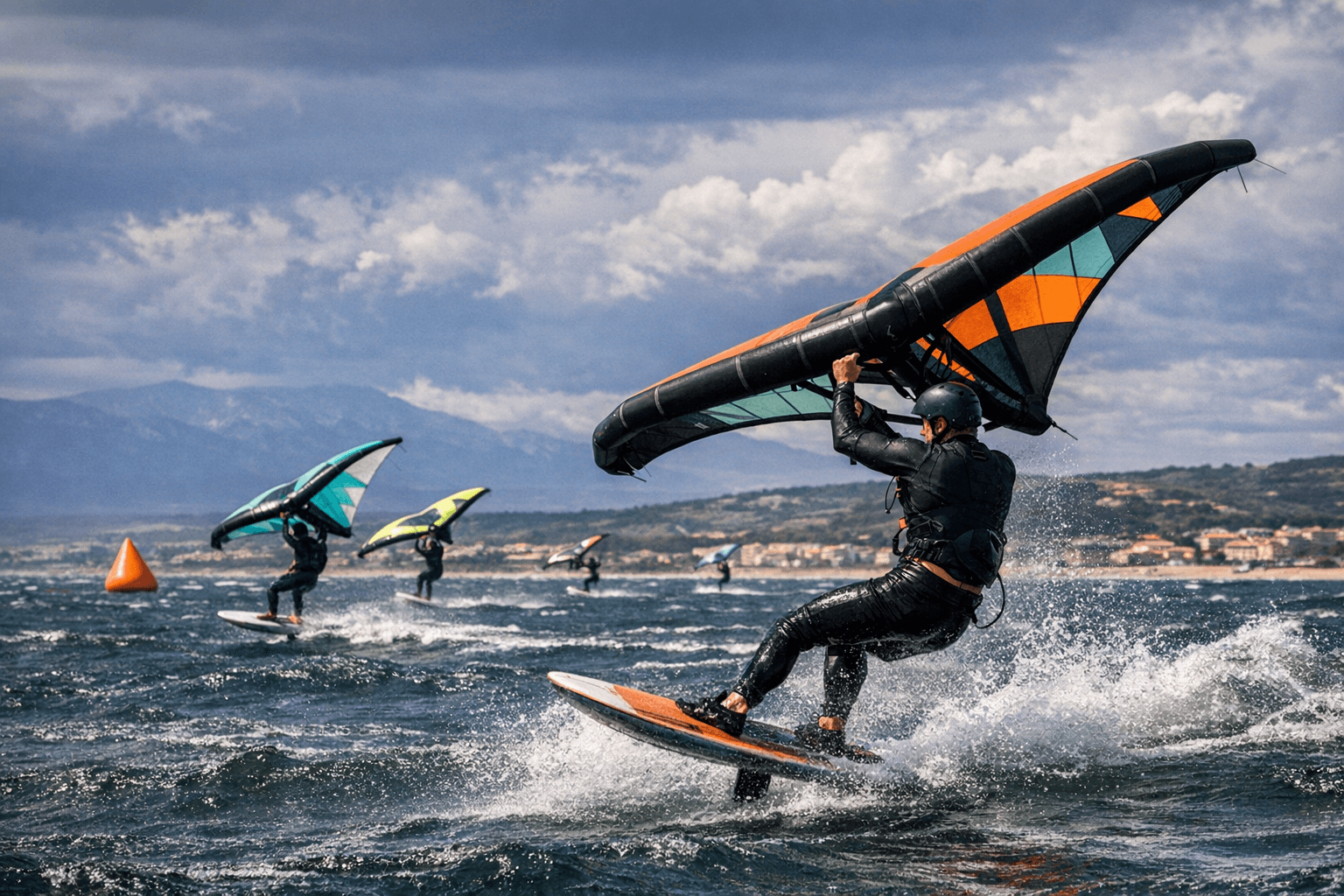
The headline: e-foil racing is short, explosive, and tactical. Wicander described the discipline’s demand for timed sprints and head-to-head formats rather than marathon-style foil runs. That changes how riders prepare: race prep centers on repeated short bursts, tight transitions between laps, and practiced starts and overtakes. For anyone moving from cruising to competition, Wicander emphasized the value of interval work on the water and balance drills to hold stable trim through acceleration and deceleration.

Training specifics translate directly into on-water drills. Wicander recommended interval sessions that mimic race rhythm: full-output efforts for short distances, recovery laps to reset position, and structured practice of starts from a dead stop. Short-course tactics, turning efficiently around buoys, timing accelerations into wind or chop, and defending inside lines on passes, are as important as pure top-end speed. Practicing overtakes in controlled conditions reduces risk and builds the muscle memory needed when a pack closes in.
Equipment choices create the performance tradeoffs that often decide races. Wicander laid out the key decision at the front: larger wing area gives earlier lift and easier launches off the line, while smaller wings favor higher top speed once up on plane. Controller ergonomics were another focal point; a controller that allows precise throttle modulation and comfortable hand position during repeated sprints can cut fractions of a second per lap. Riders moving into competition should test front wing sizes across conditions and prioritize a controller setup that minimizes fumbling during starts and maneuvers.
Beyond tactics and rigs, Wicander addressed growth and visibility for women’s e-foil racing. She pointed to demo days and Surf Foil World Tour events as primary drivers of new interest, showing equipment to curious riders and converting onlookers into competitors. Increasingly competitive women’s fields and more visible race formats make it easier for female riders to find events and peer groups.
For readers ready to step up, turn training into race-specific sessions, experiment with front wing area to match your start strategy, and dial in controller ergonomics before you race. As SFT events and demo days continue to expand, expect more opportunities to test race skills in friendly, controlled settings. Agnes Wicander’s practical roadmap makes the jump from weekend foil sessions to the intensity of women’s e-foil competition more achievable and more tactical.
Know something we missed? Have a correction or additional information?
Submit a Tip