Brunswick brings AI, autonomy and eFoils to CES 2026
Brunswick showcased AI-assisted helms, Simrad AutoCaptain demos and electrified foiling hardware at CES 2026, signaling a mainstream marine push into eFoils and digital boating.
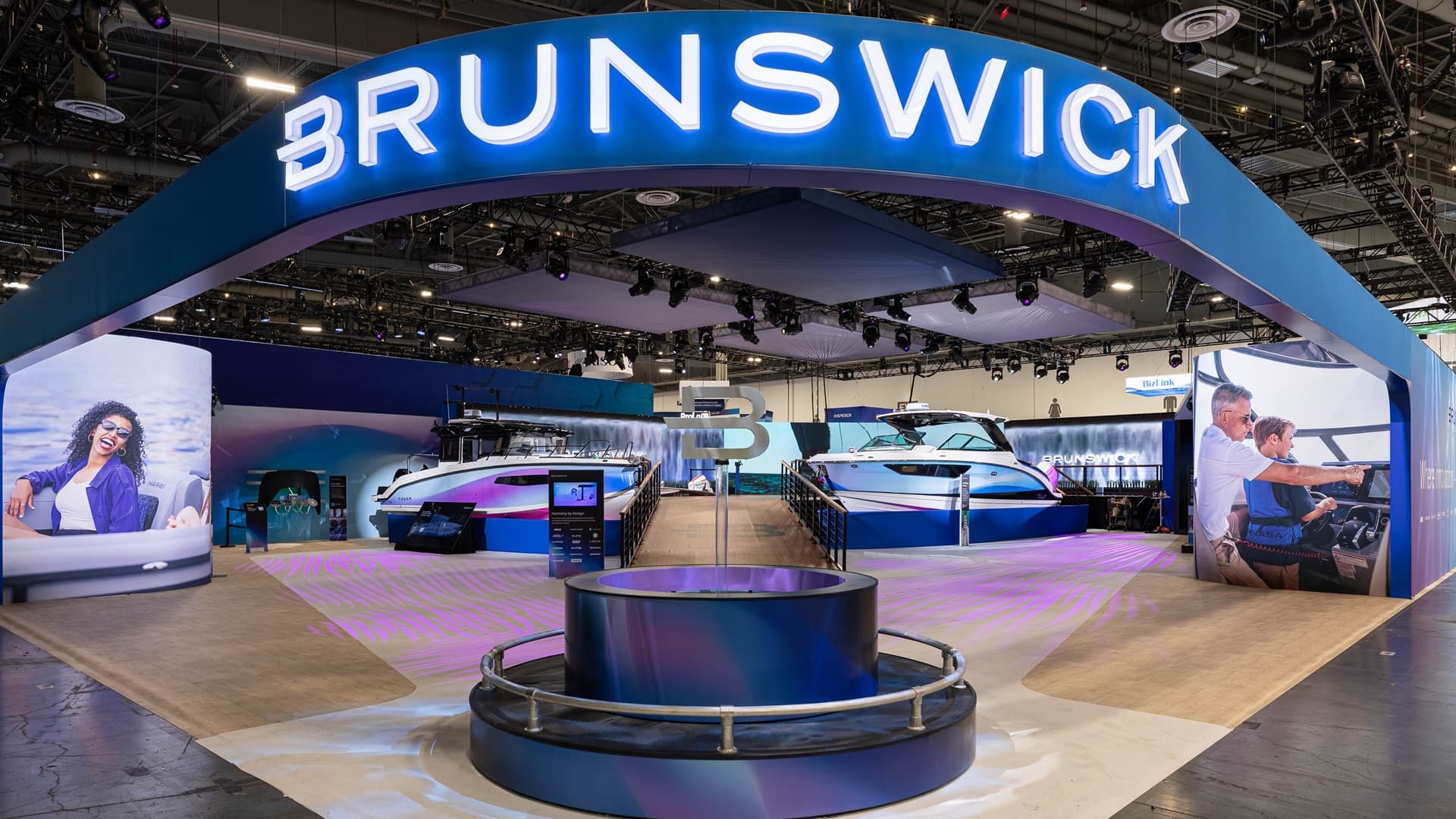
Brunswick used CES 2026 to put eFoils squarely in the conversation about marine electrification and digitalization, rolling out demonstrations that linked AI, autonomy and battery-powered foil tech. The company's Boating Intelligence push, built around an ACES strategy, Autonomous, Connected, Electrified, Shared, framed exhibits that ranged from an AI-powered helm simulator to live Simrad AutoCaptain autonomy demos and a display of Fliteboard electrified foiling hardware.
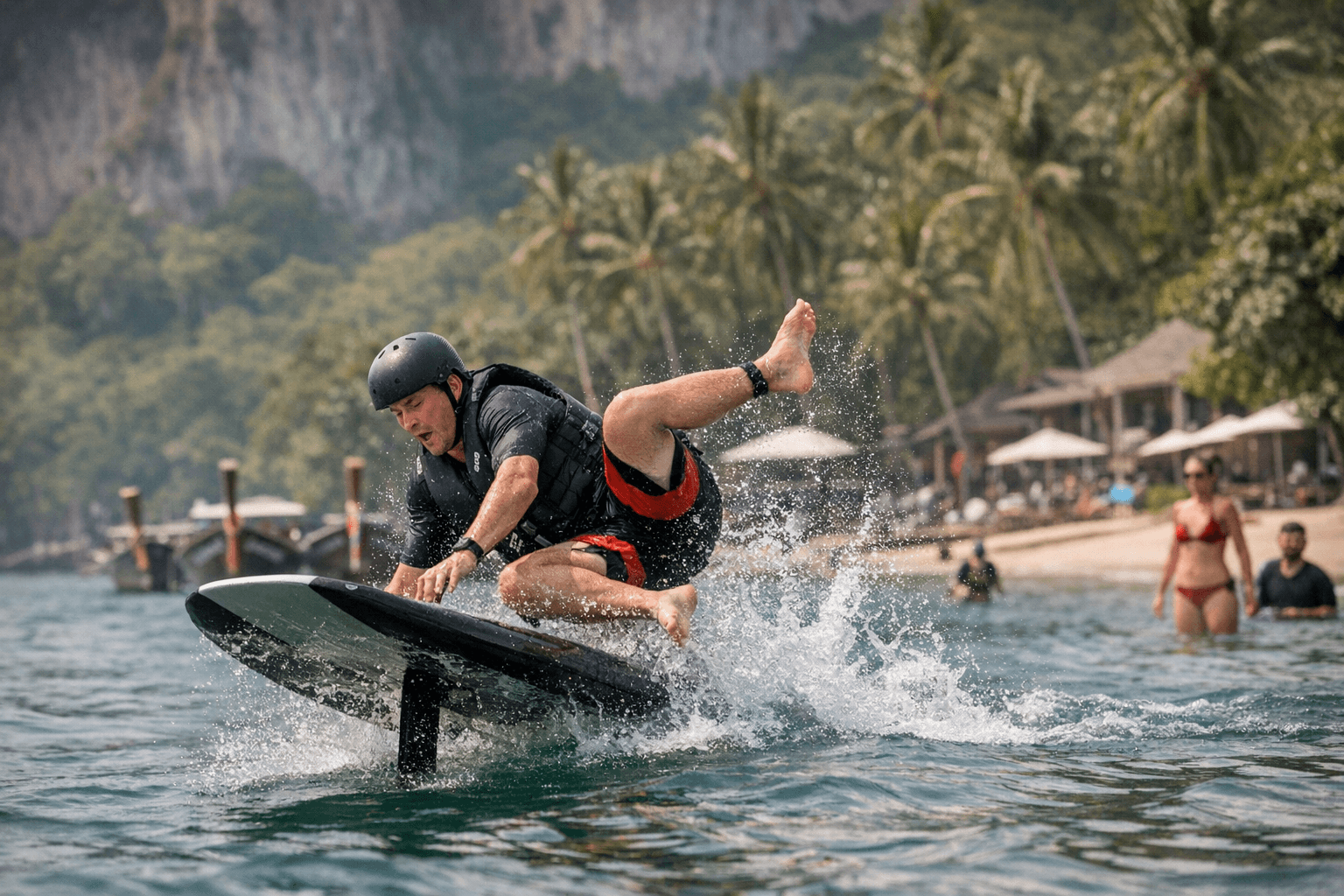
At the show, visitors saw AI-assisted navigation and helm co-pilot concepts that aim to reduce workload and improve safety on the water. The AI helm simulator gave a hands-on sense of how assisted steering and decision support could work in real time, while Simrad AutoCaptain demonstrations highlighted how autonomy is moving from bench tech into usable systems for everyday boaters. Alongside those displays Brunswick exhibited electrified foiling tech, including Fliteboard’s new RACE eFoil and an immersive eFoil simulator, putting riding experience and performance front and center.
For the foil-surfing community, the significance is twofold. First, the presence of a mainstream marine OEM at a major tech show signals faster convergence between personal eFoils and broader boat systems. That matters for battery technology, shared charging infrastructure and software integration; eFoils are more likely to benefit from improvements in battery management, thermal control and telemetry once OEMs fold them into wider marine electrification programs. Second, AI and autonomy features being developed for larger craft create crossover opportunities for eFoil riders: improved navigation aids, collision avoidance sensors and better ride logging are all practical tools that transfer to foiling safety and training.

The exhibit also underscored growing attention to rider experience. An immersive Fliteboard simulator and hardware demo let attendees compare raw performance and feel in a controlled setting, which helps demystify eFoiling for newcomers and gives experienced riders data points for setup choices and expectations. For clubs, schools and demo operators, simulators and digital training tools reduce risk and lower the barrier for first rides, while richer telemetry makes coaching more precise.
The takeaway? Mainstream marine players are investing in the same tech that moves the foil-surfing scene forward: smarter software, better batteries and integrated systems. Our two cents? Track firmware and battery-management updates, look for demo days to try new rigs and prioritize systems with robust telemetry and support. Those moves will keep you lifting out safely and help you get the most from the next wave of eFoil tech.
Know something we missed? Have a correction or additional information?
Submit a Tip