Choosing the Right Front Wing for Faster Foil Surfing Progression
Choosing the right front wing speeds up foil progression by matching lift, stability, and efficiency to your weight, skill, and conditions.

The front wing is the single biggest lever to speed up your foil progression. Size, aspect ratio, and profile shape control how easily you pump, how stable you feel at low speed, and how fast the system will ultimately go. Picking a wing that produces enough lift for your weight and spot conditions shortens the learning curve and keeps sessions productive rather than frustrating.
Surface area is the clearest starting point. More area means more lift at lower speeds. Beginner-friendly front wings commonly fall in the 800-1200+ cm² range depending on discipline and rider weight. Aspect ratio - span squared divided by area - is the efficiency dial. High-aspect, long and narrow wings glide and hold speed better, but require more precise trim and faster inputs. Low-aspect, shorter and wider wings make pumping and takeoffs easier and are more forgiving in chop.
Sweep and planform affect feel. Straight-planform wings feel lively and turn quickly. Wings with swept trailing edges add passive stability and gentler touchdown behavior, which helps riders learning to time touchdowns and rail-to-rail transitions. Profile thickness and camber matter too: thicker profiles are forgiving and stable; thinner profiles drop drag but can feel twitchy when speed is low.
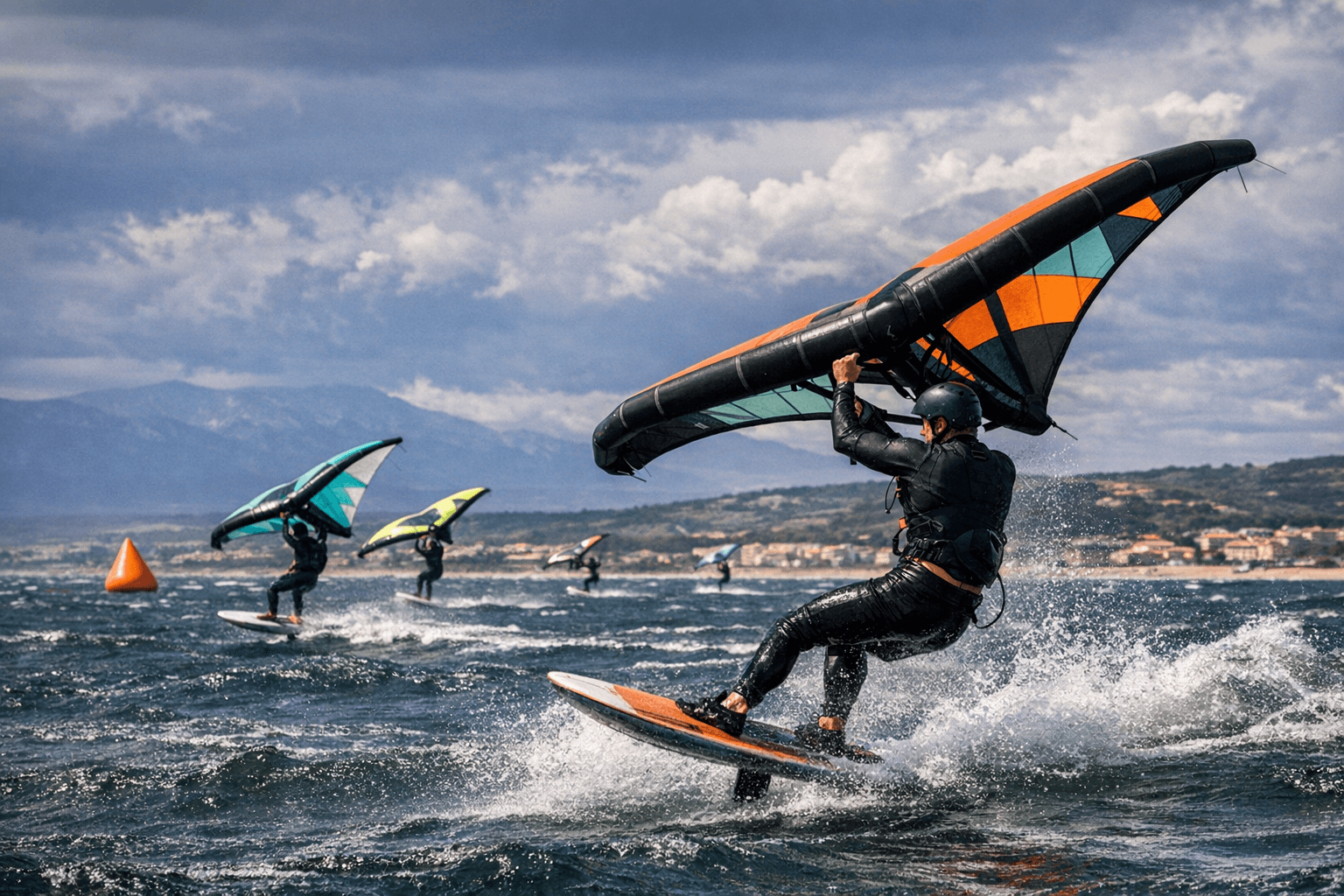
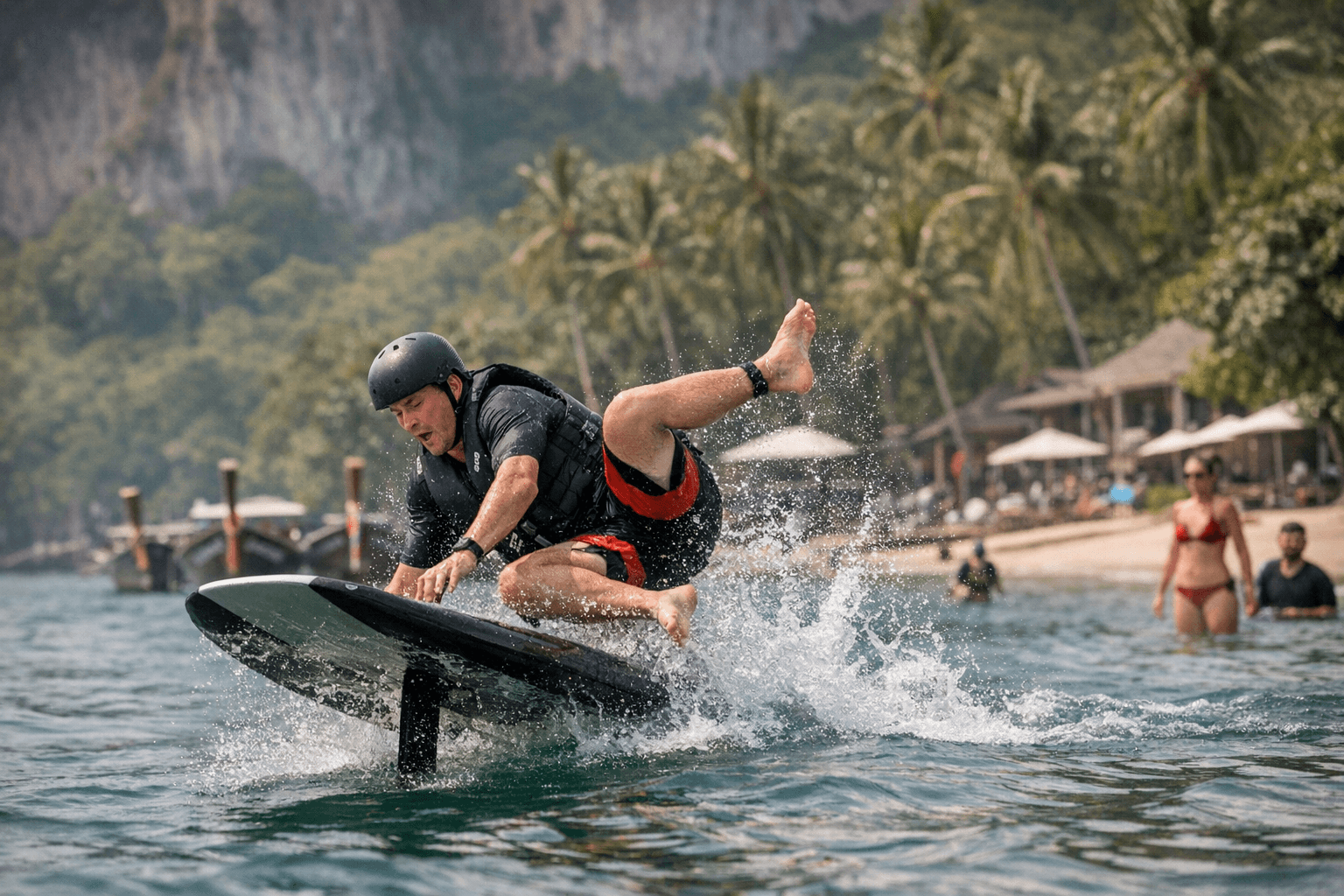
Discipline shapes the trade-offs. For pump foiling and flat-water beginners, start with large, low-aspect wings that have gentle stall characteristics and pair them with a larger tail stabilizer to help trim and pitch control. For surf foiling on small waves, choose medium surface area with mid-aspect wings that generate lift at wave speeds while allowing carving and flow. For downwind and swell work, mid to high aspect wings are best for sustained glide and efficiency across troughs and runs. For racing or top-speed e-foil use, small, high-aspect wings minimize drag and demand advanced skill.
Practical buying moves will save you time and money. Start slightly larger than you think you need; progression is easier from a stable base. Check compatibility at the fuselage / mast interface and confirm adapters exist if switching brands. Consider used wings for early learning so you can experiment with sizes without breaking the bank. Ride multiple wings under instruction at your local school or rental shop to feel the differences firsthand.
Maintenance and safety matter as much as size. Inspect leading and trailing edges for delamination or cracks before each session. Rinse with fresh water after salt sessions and store away from direct sun to limit UV damage. Replace or repair any corrosion or fastener problems on aluminum mast and foil junctions; small fasteners failing can lead to catastrophic breakage in the water.
Choosing your first wing comes down to discipline, rider weight, experience, and local conditions. Err on the side of lift and stability early, then trim down to higher-aspect shapes as your speed and skill increase. If you want tailored recommendations, provide your weight, skill level, and typical spot conditions and I’ll recommend 2-3 specific front wing sizes and tail pairings to start with.
Know something we missed? Have a correction or additional information?
Submit a Tip