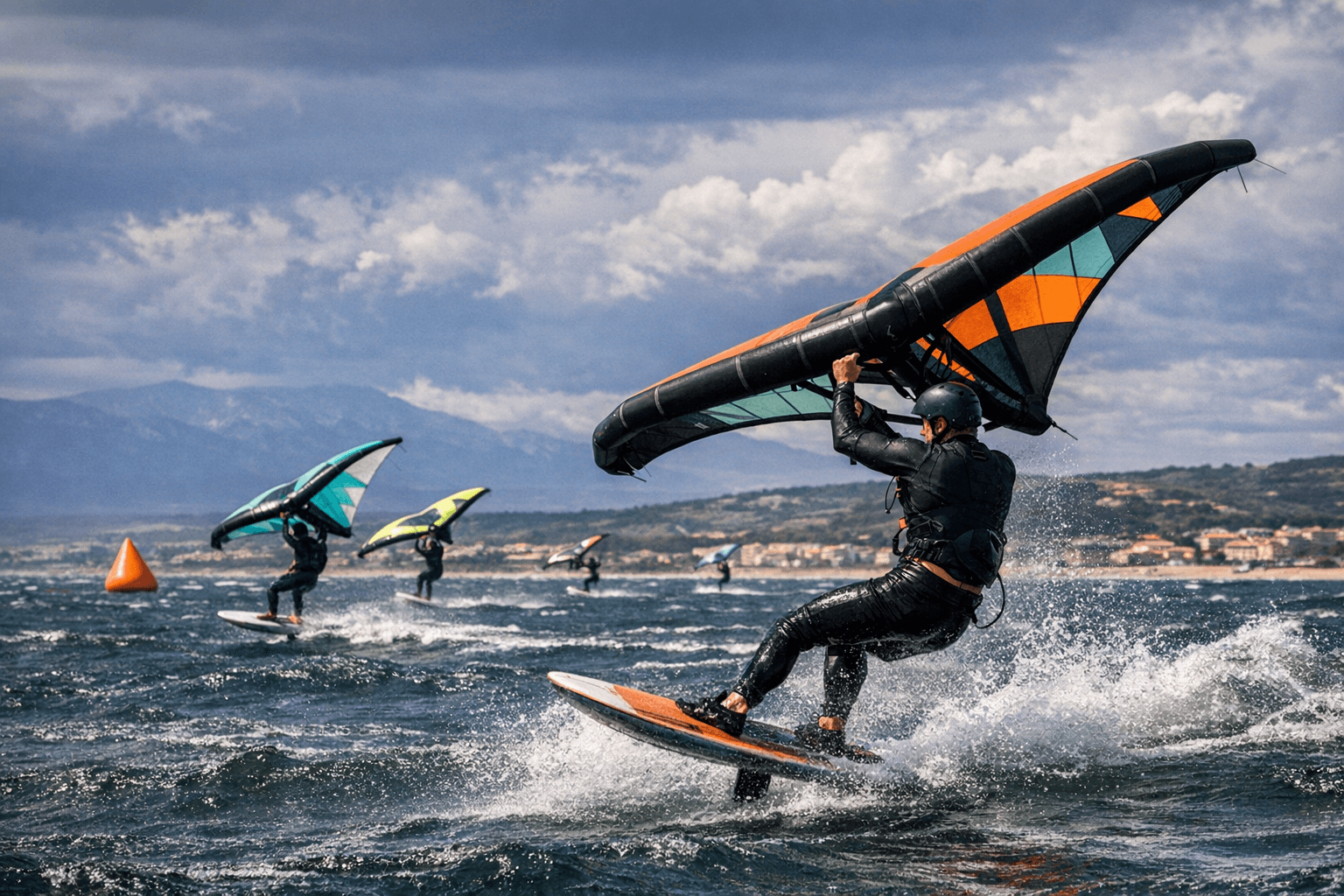
Complete Hydrofoil Safety Guide: 15 Expert Tips and Pre-Ride Checklist
A comprehensive hydrofoil safety guide compiles 15 expert tips and a full pre-ride checklist to reduce injuries and mechanical failures for surf foil, pump foil, and e-foil riders.

Foil surfing can turn routine sessions into serious incidents when gear or planning fails, so packed sessions and offshore runs both demand disciplined preparation. This guide lays out 15 practical tips and a pre-ride checklist covering personal protective equipment, hardware checks, riding technique, maintenance, and emergency planning for surf/foil, pump foil and e-foil contexts.
Prioritize mandatory kit: wear a helmet and impact vest every session, and add gloves and booties where conditions or board handling make them useful. For powered foils, use a reliable kill-switch and verify its function before getting on the water. Verify leash and kill-switch arrangements to avoid entanglement while guaranteeing rapid power cutoff if you separate from the board.
Carry out pre-ride checks before you step into the water. Inspect mast bolts and wing/stab mounting for correct torque and visible damage. Confirm battery seals and controller range and check battery state so you know runtime and reserve capacity. Inspect prop and shroud condition on e-foils to prevent blade failure. Tighten fasteners before every session and look for delamination or corrosion around hardware interfaces.
On the water, manage foil height to avoid ventilation and loss of lift; maintain a trim that suits speed and chop to reduce violent blowouts. Maintain situational awareness in crowded lineups - keep a minimum separation distance from swimmers, paddleboarders and other craft to reduce collision risk. When you fall, push away from the board as a standard board-clear procedure to minimize contact with the foil and propeller or sharp edges. Keep board leashes and handles arranged so the board slides clear rather than penduluming toward you.

Maintenance prevents many mechanical failures. Replace worn or cracked parts promptly and inspect for delamination and galvanic corrosion after saltwater exposure. Check hardware torque periodically rather than waiting for looseness to appear, and service battery seals and connectors to avoid unexpected power loss.
Plan for emergencies, especially offshore. Always have a communication plan and a means to summon help if battery failure or controller loss leaves you adrift. Never ride alone in remote conditions without support; arrange a chase boat, tow or shore contact for reasonable response. For pump foil and e-foil rides, factor battery failure scenarios into route planning and carry signaling devices.
Adopting these checks and behavioral habits reduces risk and extends equipment life. Apply this checklist before every session, adapt spacing and PPE to local conditions, and treat maintenance as part of session prep so the foil community stays safe while keeping the glide alive.
Know something we missed? Have a correction or additional information?
Submit a Tip