Duotone Stash 2.0 boosts stability and depower for parawinging
Duotone’s second-generation Stash 2.0 focuses on stability, upwind performance and depower to widen usable conditions for parawinging and downwind foiling.

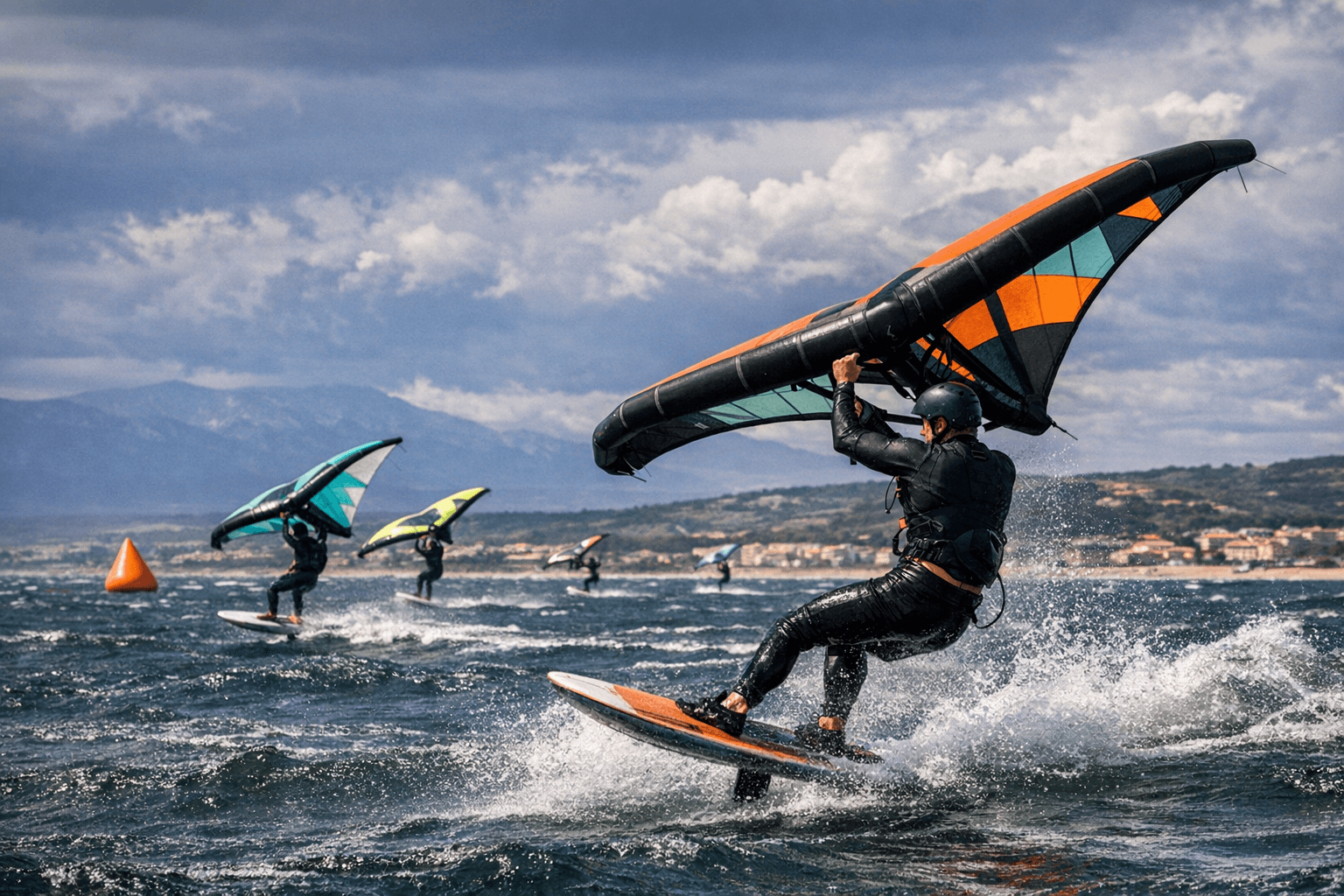
Duotone’s 2026 Stash 2.0 arrives as a tuned, more user-friendly single-skin parawing aimed at making downwind foiling and light-wind foil sessions easier to manage. In a recent test review by Eddy Patricelli with test rider impressions from Tom Woodward, the Stash 2.0 delivered clearer depower control, earlier lift in light air, and improved balance through gusts, traits that directly lower the barrier for longer solo runs and sketchy re-launchs.
The new Stash introduces targeted design changes rather than a radical overhaul. A stabilized segmented leading edge and a reworked aspect ratio and arc sharpen upwind angles and steady the canopy in chop and gusts. Duotone also fitted an ergonomic carbon handle that integrates bridle and optional harness line connections, a small but meaningful change for riders who want cleaner hand positioning and a quicker switch to harnessed setups.
Material and line choices shift the practical experience too. The canopy uses ultra-light 30 g ripstop to keep pack size and weight down, while shorter lines and three-way color coding speed stashing, untangling and re-deployment. Coated lines are intended to reduce tangle friction and to improve stability in the window, so you spend less time wrestling lines and more time on glide and trim.
Tom Woodward’s ride impressions underline those goals: the Stash 2.0 stayed balanced in gusts, lifted early in light wind, packed down small, and gave noticeably improved upwind and depower control. For riders who run downwind craft, SUP foil boards, or minimal wind foiling setups, those improvements mean more session flexibility and fewer aborts when conditions swing.
Practically, the Stash 2.0 is aimed at riders who want a reliable tool for long downwind runs, launch-and-go sessions, or solo days when you need simple relaunch and solid depower. The new handle/bride integration and shorter, color-coded lines make shore packing and reef launches less fiddly, and the lightweight canopy helps with carrying and backcountry travel.
If you’re evaluating a parawing for downwind missions or want to extend light-wind days, check how the Stash 2.0 fits your harness options, line lengths and pack workflow. Expect easier re-launchs, tighter upwind angles on downwind craft, and fewer line snags during sessions. For the community, this iteration nudges parawinging toward more everyday usability, not just dedicated downwind missions, and should make long solo runs and mixed-ability group rides more accessible.
Know something we missed? Have a correction or additional information?
Submit a Tip