Hydrofoil and Wingfoil Safety Tips for Carrying, Launching, Falling and Storage
A compiled safety primer lays out practical tips for carrying, launching, falling and storing hydrofoils and wingfoils to reduce injuries and gear damage.
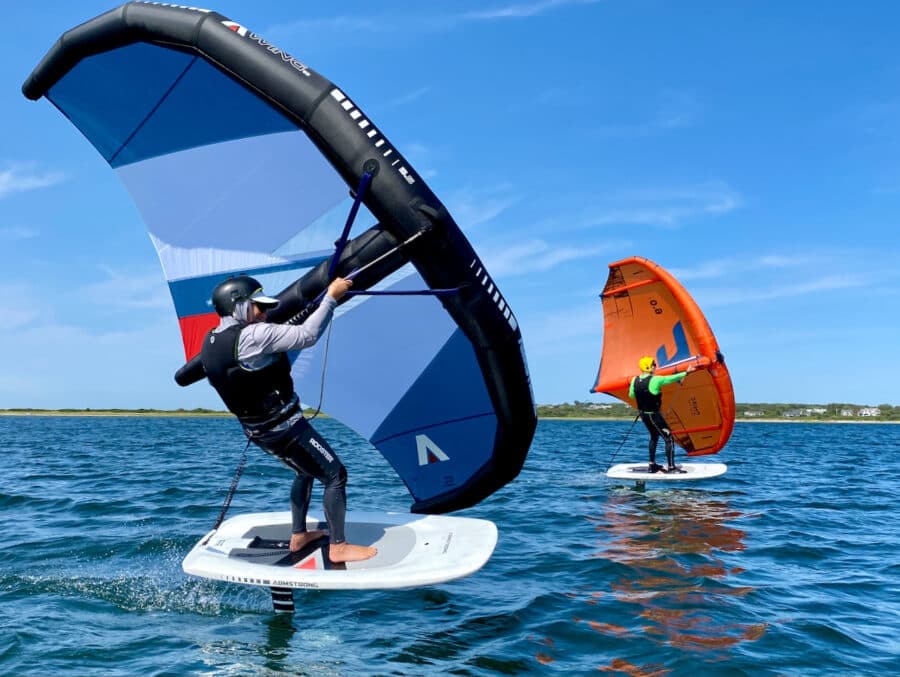
Hydrofoil and wingfoil riders should adopt clear handling habits and staged training to keep themselves and others safe. The gear brings unique hazards - long masts, sharp edges and submerged wings - but simple routines cut risk and protect equipment.
Windance captures the physics and the hazard plainly: "Hydrofoils are incredible tools for wing foiling progression, but they also introduce sharp edges, long masts, and underwater wings that demand proper handling." The same guide jokes about the learning environment: "Balancing on a tippy board on stilts in rough water flying at 30 kts powered by nothing but knives and balloons - what could go wrong, right?" That sense of the absurd underlines why carrying technique, spacing and protective kit matter.
Start with carry and transport. Use foil covers during transport and storage. Carry the board with the mast between you and the wings and never carry the foil with the exposed front wing facing forward - in other words always carry the board stern pointing forward. Windance also advises carrying the foil and board on your upwind side and holding the wing with your downwind hand to prevent the wing from blowing into the foil and shredding accidentally. Short riders or those with long masts should be cautious about alternate carry positions, because lowering the board can increase the chance of dings or accidental contact.
Launch and progression belong to staged learning. Hydrofoilstore structures instruction as land basics, wing basics on a SUP board and on-water lessons that teach inflation, equipment setup, launching, safety and handling. Epic-boardsports adds location-specific guidance for Florida riders: "Launching in surf too soon. It’s tempting to head straight to the ocean, but Florida’s beach breaks are often challenging for new riders. Learn in calmer causeways and lagoons before tackling waves." Epic also warns against going solo without a float plan and recommends booties in areas with stingrays and oyster beds.

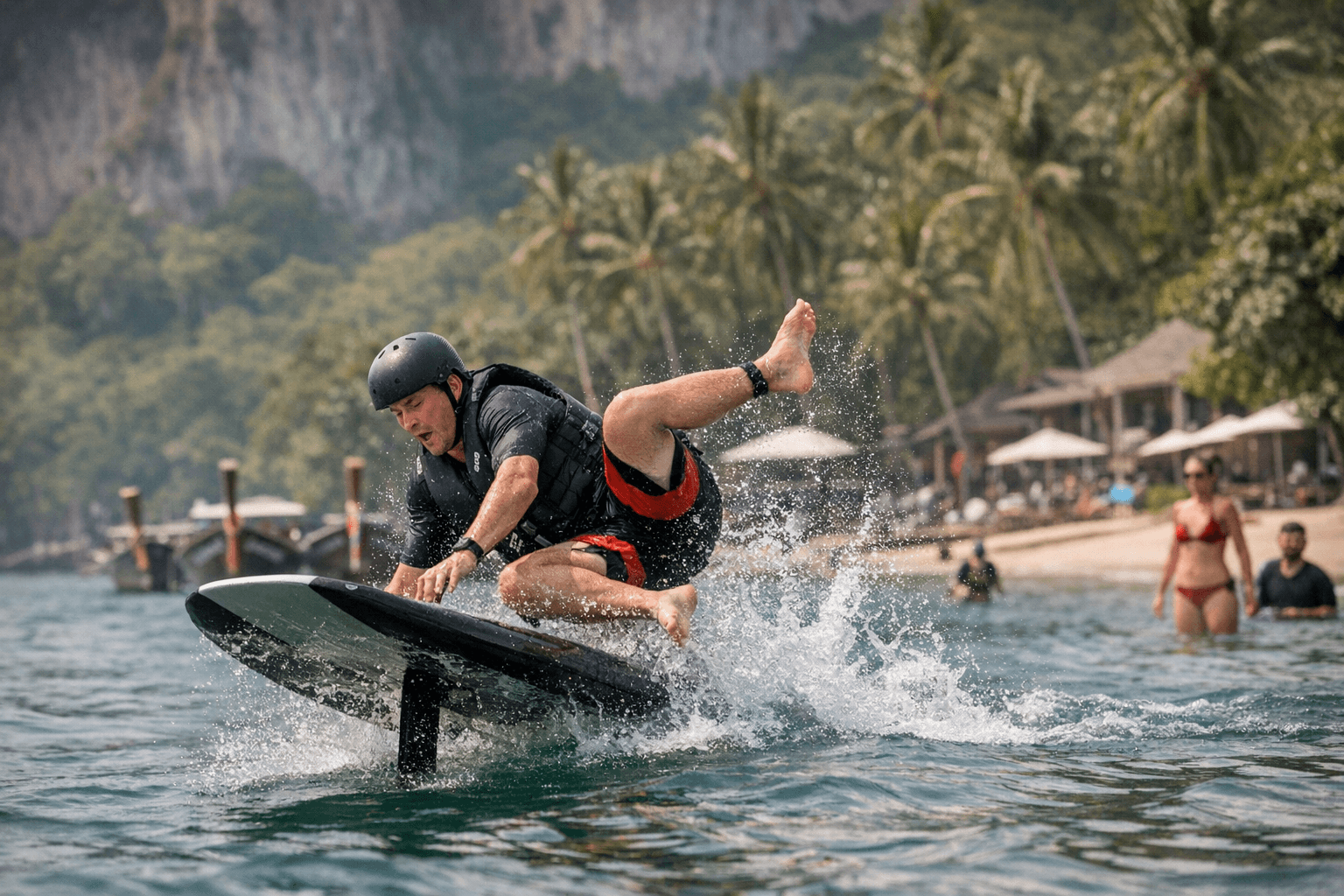
Falling and stopping require respect for the equipment. Windance warns learners to give themselves space because "hydrofoils can shoot up at unpredictable angles" and reminds riders that "stopping distance on foil is much longer than it looks." Never foil through crowds or near swimmers; stay within designated areas and be aware of other water users.
Protective kit is non-negotiable. Hydrofoilstore repeats the basics: "Always wear a helmet, life jacket, and other protective gear." Pinbax emphasizes wetsuits for temperature control and buoyancy aids for safety. Hydrofoilstore also recommends transitioning to smaller wings as skills improve and even gives a front wing sizing note: "This Hydrofoil front wing surface area must be more than 1900cm2 area ideally," a specification riders should confirm with instructors or manufacturers for their weight and board type.
The community thrives on progression and prudence. Follow covers, carry mast-first, wear a helmet and buoyancy aid, take land and SUP lessons, and buddy up on new launches. Do that and, as Windance puts it, you can "stay stoked, not stabbed.
Know something we missed? Have a correction or additional information?
Submit a Tip