Hydrofoiling Guide Shows How Windfoilers Fly in Light Wind
Light wind is the hook, but setup is the real trick: the right foil, board, and safety habits can turn windfoiling into a surprisingly approachable flight path.
Why windfoiling still earns a place in the quiver
Windfoiling is no longer a side experiment reserved for gear obsessives with spare masts and a taste for tinkering. It has become a structured path into flight, with World Sailing recognizing iQFOiL as the Olympic windsurfing equipment for Paris 2024 and treating windsurfing as an Olympic discipline since 1984 for men and 1992 for women. That matters because the sport now has a clear ladder, from first flights in club conditions to full international racing, and the ladder is getting more visible every season.
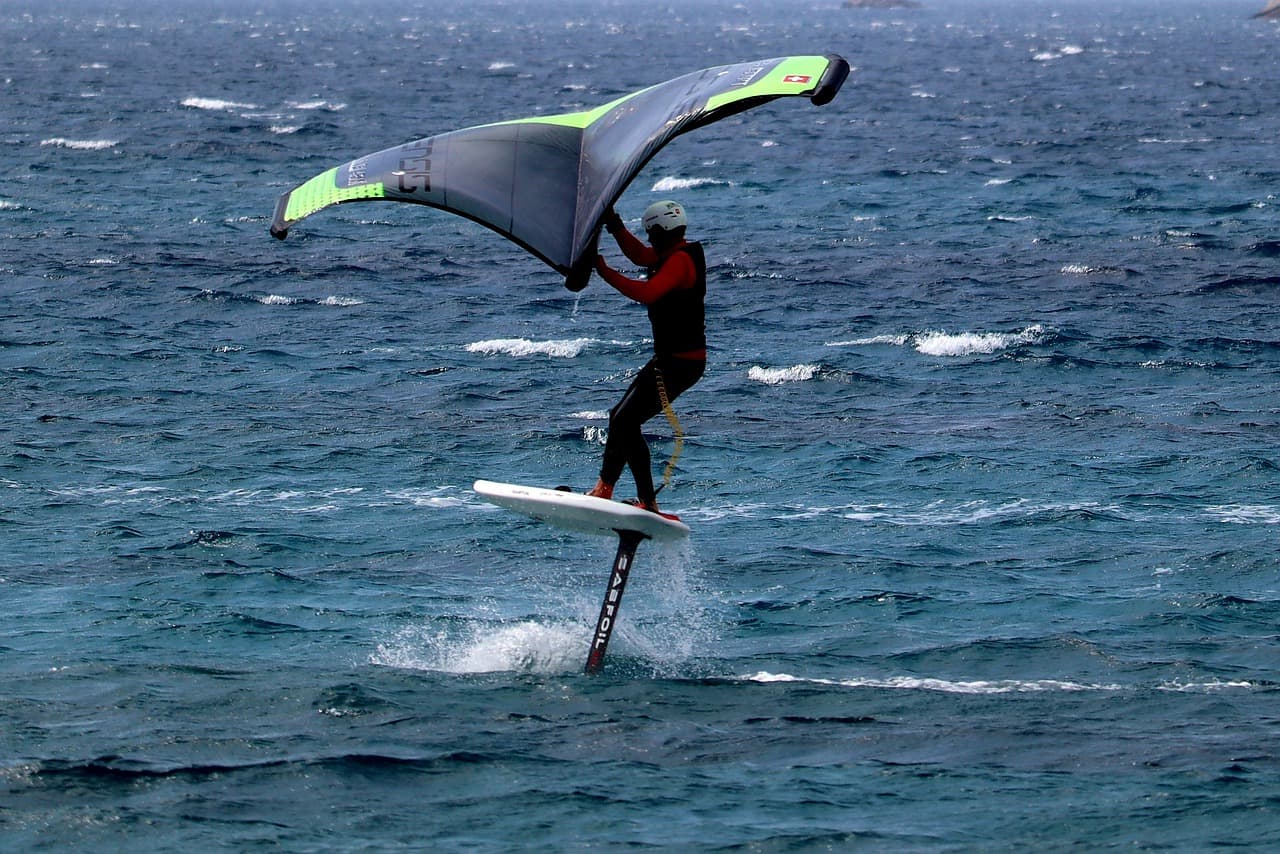
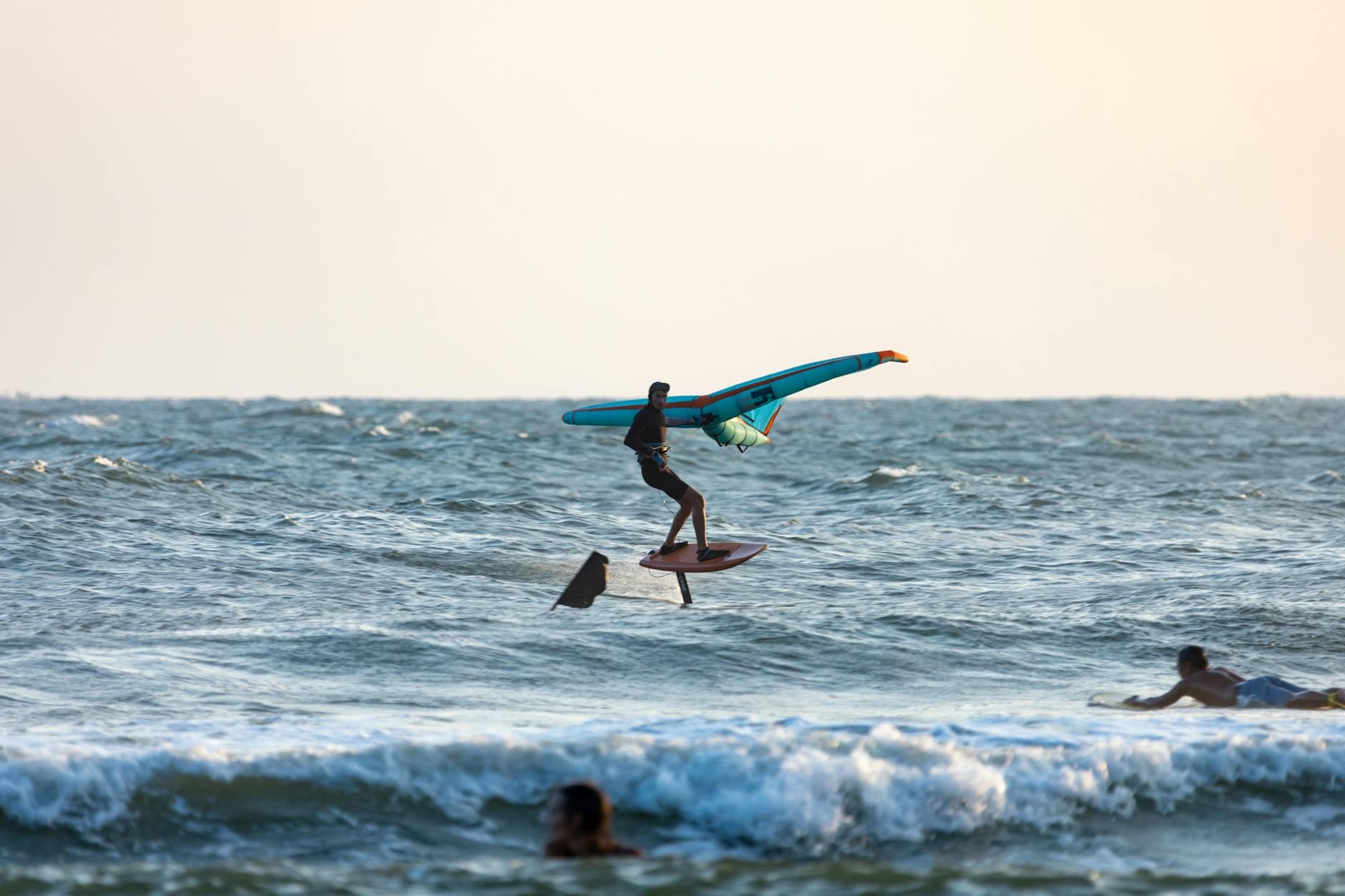
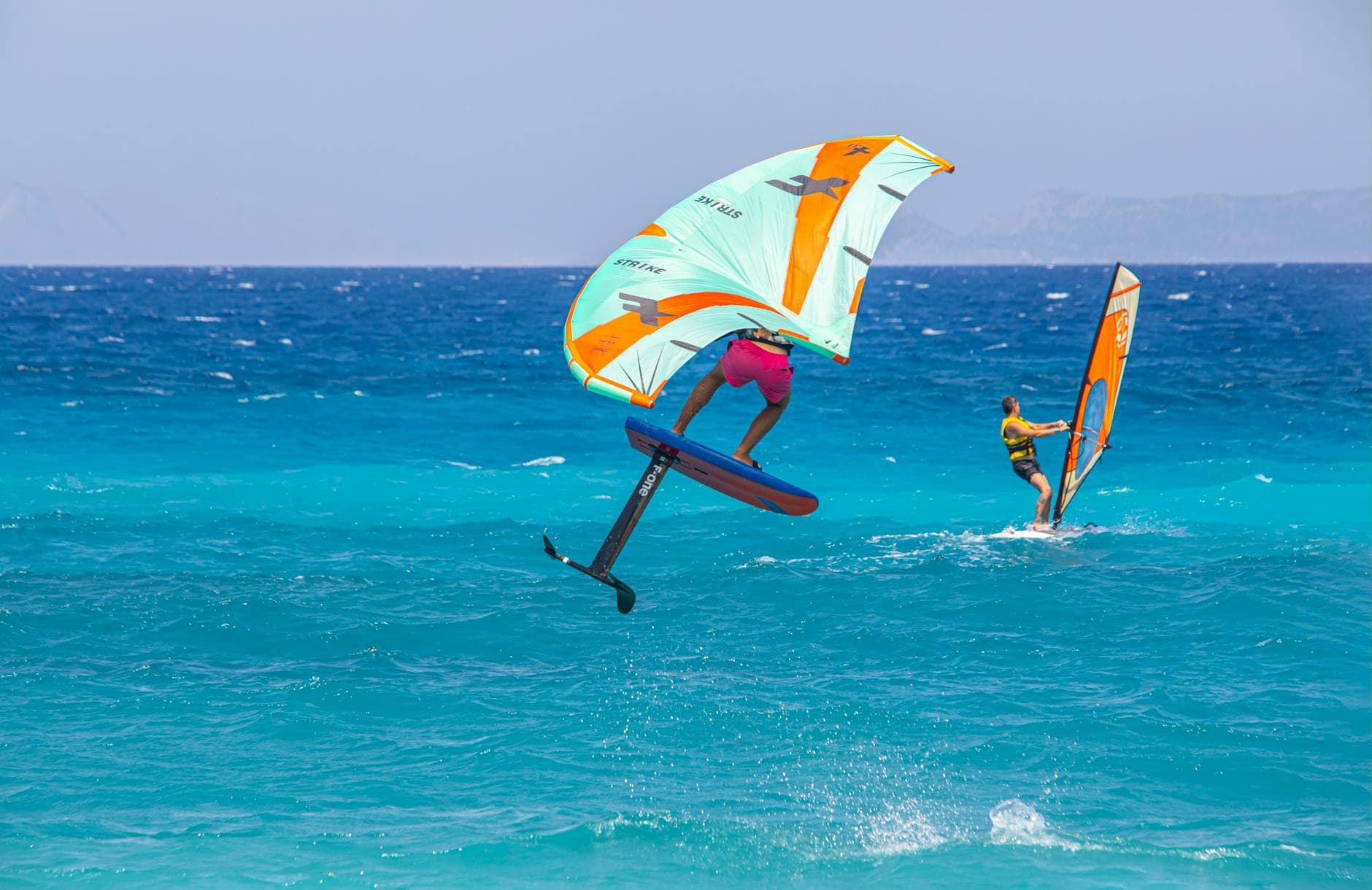
The most appealing part is still the simplest one: the board rises above the water and the ride changes completely. As speed builds, the foil creates lift, the hull comes free, drag drops, and everything feels lighter, quieter, and more efficient. The practical payoff is huge: sessions can happen in about 8 to 10 knots of wind, which means days many conventional windsurfers would simply skip now become foil days.
The setup that makes first flights possible
The newest advice gets one thing right that older foiling guidance often missed: setup is not a footnote, it is the lesson. For first-time riders, larger, low-aspect foils and high-volume boards make a massive difference because they soften takeoff and calm the learning curve. A generous platform gives you time to find balance before the foil becomes fully alive, and that forgiveness is worth more than raw speed early on.
Several tuning variables now sit at the center of the conversation, and each one changes how the board behaves under pressure. Mast length affects how easily you can control height above the water, board volume determines how stable the deck feels before liftoff, wing size changes how much power you can extract from light wind, fuselage length influences stability, and the foil itself decides whether the whole ride feels calm or twitchy. That is the modern lesson: windfoiling is not just about bravery, it is about matching parts to the session you actually have.
For crossover riders coming from wingfoil or surf foil, the best translation is this: do not assume your favorite fast setup from another discipline will help on day one. The windsurf rig adds another layer of power and timing, and the wrong combination can make the board feel overpowered before you even get comfortable standing on it. The smart route is to start with stability, then trim toward performance once flight control stops feeling like a miracle.
What light-wind flight asks of you
The headline number that keeps windfoiling relevant is the 8 to 10 knot range. That window opens a different kind of session, one where you can fly on a day that would otherwise feel marginal, and that alone explains why the sport keeps pulling in riders who have already tried winging, surf foiling, or classic planing windsurfing. It is a light-wind king when the rest of the beach is waiting around.
But light wind does not mean casual learning. The foil rewards clean input, patience in the takeoff phase, and a willingness to let the board accelerate before you force the flight. The old mistake was thinking of foiling as a shortcut to easy speed; the better modern framing is that it is a precision discipline that pays off when the setup and the timing are both right.
Five takeaways that matter most for crossover riders
- Start with a bigger, low-aspect foil if you want your first flights to feel controlled rather than chaotic.
- Use a high-volume board so the board stays forgiving while you are still learning balance and foot pressure.
- Treat mast length, fuselage length, and wing size as tuning tools, not afterthoughts.
- Expect the learning curve to be about stability first, flight control second, and speed much later.
- Never skip a foil-specific leash and a helmet, because the hardware under the board is sharp.
Those points sound basic, but they are exactly where older windfoiling advice often fell short. Earlier generations of guidance leaned too hard on the romance of flight and not enough on how much the right platform matters before you ever pop up. Today’s advice is more honest, and more useful: the rider still matters, but the hardware can either accelerate progress or punish it.
Safety is part of the technique
Foil safety is not just about keeping your head protected after a crash. The guide puts real emphasis on foil-specific leashes and helmets because the danger is built into the sport’s structure: sharp hardware sits just below the surface, and once the board gets moving, everything happens fast. That matters even more when you are learning in variable conditions or sharing water with other users.
The safest mindset is the one that treats every session as a systems check. Is the board stable enough for the wind strength? Is the foil forgiving enough for your current level? Is the water space clear enough that a fall will not turn into a collision? Those questions are part of the sport now, just as much as stance and sheeting in.
How windfoiling became a real pathway, not a novelty
The modern foil story in windsurfing stretches back to 2003, when Starboard worked with Hawaiian waterman Rush Randle on an early solid aluminum foil. Development accelerated after the 2012 America’s Cup foiling boom, and what once looked like fringe experimentation has turned into a recognizably mature branch of the sport. The arc is easy to see now: first came the inventors, then the racers, and now a generation of learners arriving through clubs, schools, and structured programs.
World Sailing’s iQFOiL learning videos, released free of charge in 2022 for clubs, federations, schools, and riders, show how mainstream that pathway has become. The fact that a governing body is building beginner-friendly video resources says a lot about where the sport sits now. Windfoiling is no longer asking whether it belongs. It is asking how many more riders it can bring into the air.
The race scene proves the point
If anyone still thinks windfoiling is only for garage tinkerers, the international stage says otherwise. The 2024 iQFOiL World Championships in Lanzarote drew 200 athletes from 43 countries at Marina Rubicón, and the titles went to Italy’s Nicolo Renna and Israel’s Sharon Kantor. That is a deep, global field, not a curiosity.
The competitive layer gives the learning guide real weight. When elite racing is this international and this structured, the beginner path has to be equally clear, because today’s casual student might be tomorrow’s club racer or national-class sailor. Windfoiling in 2026 looks less like a fad and more like a skill tree: pick the right foil, choose the right board, respect the safety gear, and let the wind teach you how to fly.
Know something we missed? Have a correction or additional information?
Submit a Tip