Practical Foil Surfing Demo Day Checklist for Safe Local Events
A compact checklist for community demo days that prioritizes pre-ride checks, safe launches, rider progressions, emergency planning, and clear etiquette to keep local events smooth and safe.

Foil demo days bring newcomers into the water and put expensive gear in shared hands. Hosts who use a concise, practical checklist cut risk, speed transitions, and protect both riders and spectators.
Start every session with pre-ride verification. Ensure batteries are fully charged and battery compartment seals and electrical connections are dry before a board hits the water. Put on appropriate PPE: impact cap or helmet, impact vest, and leash if recommended. Brief riders on local traffic patterns and any known hazards at the launch site. Swap radios or cell numbers between demo staff and safety spotters so communication is immediate when conditions change or someone needs assistance.
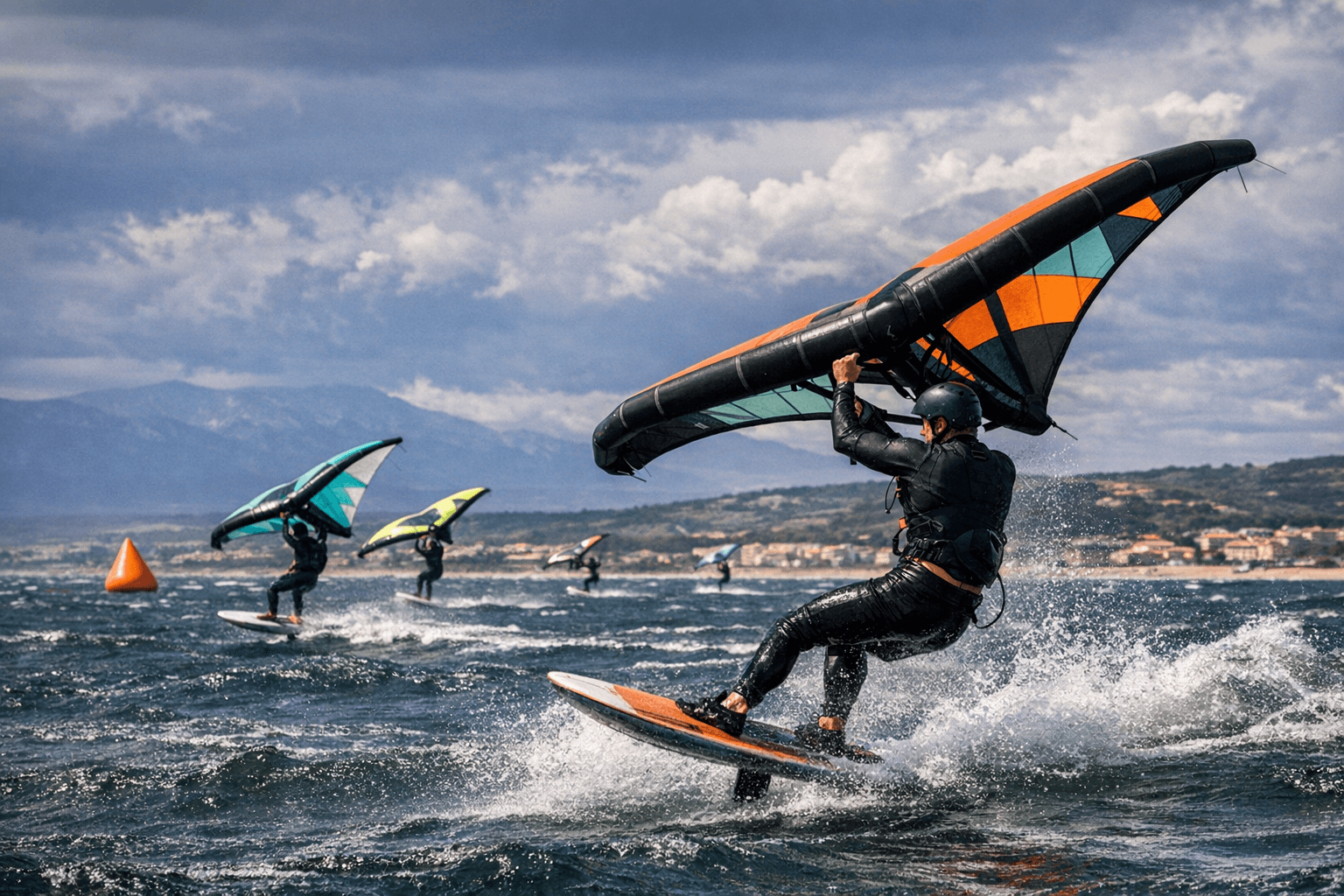
Follow a strict launch protocol. Deploy boards from shallow, protected launch zones when possible so first-time riders can learn throttle response without immediate exposure to swell or current. Use a dedicated safety or kayak spotter for first-time riders and maintain a clear take-off lane for launches. Keep non-riders well clear of landing zones to avoid collisions and tangled lines. A calm, controlled launch reduces the chance of gear damage and gives spotters a predictable area to monitor.
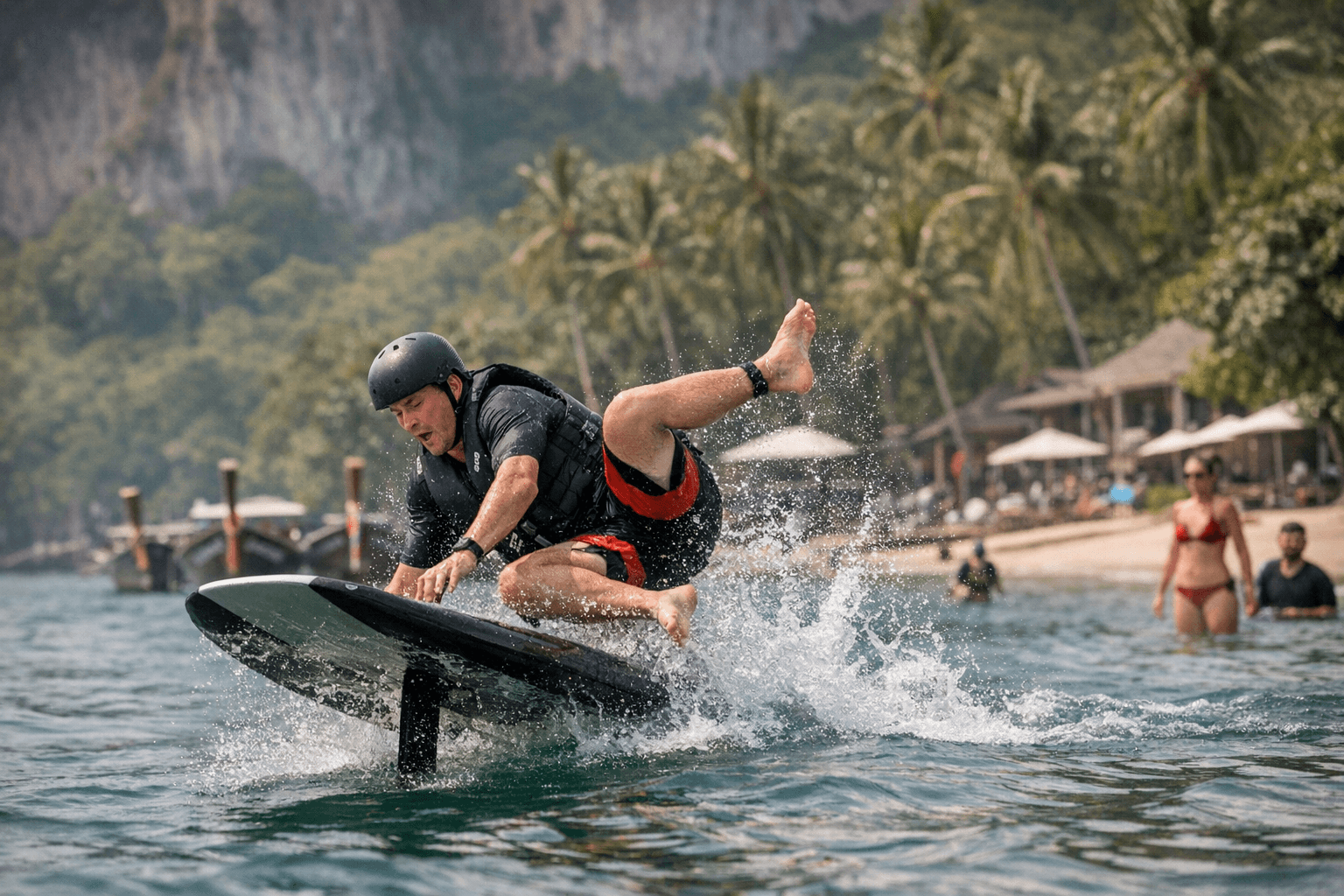
Structure rider progressions to manage risk and build confidence. Offer larger-volume demo boards for first rides to improve stability and reduce the learning curve. Restrict mast height for beginners; shorter masts limit airborne height and lower the severity of most falls. Teach throttle control and an emergency stop procedure before leaving the shallows so riders understand how to arrest speed and power down safely. Move riders up only after they demonstrate steady control in protected water.
Prepare an emergency plan for remote or crowded demos. Have a rescue craft or tow craft on call and accessible for any session farther from shore. Carry a basic first-aid kit and a reliable means to call local emergency services. Assign an incident lead who knows the nearest access points, the local emergency number, and where to meet incoming responders.
Manage etiquette to keep demos fair and efficient. Rotate riders fairly and limit run times during crowded demos so more people get time on the water. Require that gear be returned clean and charged for the next user to avoid delays and battery failures. Clear, enforced etiquette reduces friction between locals and visiting riders and leaves launch sites in good standing with beach managers.
A straightforward checklist applied consistently makes demo days safer and faster. Use these steps to protect people, prolong gear life, and keep your next demo day running like a well-trimmed flight.
Know something we missed? Have a correction or additional information?
Submit a Tip